
Contemplare quel mondo perfetto ed equilibrato che circonda l’essere umano al di fuori delle aree urbane, ormai completamente assorbite dal rumore, dalla fretta e dalla razionalità della quotidianità, suscita in alcuni artisti il desiderio di restituire le immagini colte con lo sguardo attraverso il filtro della propria soggettività, trasformando di fatto un semplice dipinto in un’esperienza interiore che connette il soggetto emanante, cioè l’esecutore dell’opera, e il ricevente, l’osservatore, che a quel punto percepisce di trovarsi di fronte a qualcosa di più di un semplice ritratto di ciò che gli occhi vedono. Nel momento in cui l’attitudine creativa è questa, lo stile pittorico deve adeguarsi a un’espressività che non può fermarsi alla superficie, né può essere una descrizione aderente alla realtà, bensì l’esigenza è quella di mettere in secondo piano la perfezione estetica per potersi addentrare nel mondo delle emozioni, dell’interiorizzazione e la successiva propagazione attraverso l’arte di quelle magiche sensazioni che fuoriescono dall’esperienza percettiva. La nuova produzione artistica di Mary Wind si concentra esattamente sull’aspetto più armonioso e al contempo magico della natura, soffermandosi sulla flora che appare come un’esplosione di energia positiva, ed enfatizzandone la sfaccettatura più solare e coinvolgente.
Lo stravolgimento pittorico messo in atto, inizialmente in maniera fortemente provocatoria, intorno alla fine dell’Ottocento dai Favues francesi portò nel mondo culturale e artistico dell’epoca la consapevolezza che l’arte potesse essere qualcosa di diverso dalla pura riproduzione estetica e formalmente impeccabile di ciò che lo sguardo vedeva, come era accaduto fino all’Impressionismo, bensì che vi fosse ben altro da scoprire e da intuire sotto la patina più superficiale dell’immagine. Henri Matisse e Maurice de Vlaminck utilizzarono la natura come mezzo in virtù del quale svelare tutto ciò che provavano davanti a essa scegliendo tonalità volutamente forti, piene, innaturali, prive di profondità e chiaroscuro esattamente per sottolineare quanto dovesse essere predominante la sensazione sulla razionalizzazione, anche se questo doveva andare a discapito dell’estetica e dell’armonia esecutiva. I colori erano aggressivi, violenti persino, da qui l’appellativo di Fauves che in francese significa bestie, e a fuoriuscire in maniera chiara dalle tele era l’assoluta soggettività del singolo autore. Qualche anno dopo il movimento si diffuse nell’intero continente europeo prendendo il nome di Espressionismo, che si avvalse, conservandole e ampliandole, delle esperienze pittoriche dei post-impressionisti alcuni dei quali, come Vincent van Gogh e Paul Gauguin, furono considerati veri e propri anticipatori. Ogni paese diede la propria interpretazione delle linee guida espressioniste, così come la tabella cromatica divergeva sulla base delle sensazioni predominanti negli autori che scelsero di appartenervi, dunque più cupe persino nell’osservazione della natura le tele di Edvard Munch che trasmettevano un senso di ansia, di angoscia e di alienazione del periodo post-bellico, più sognanti e oniriche le ambientazioni dell’eterno fanciullo Marc Chagall, e più spirituale e legato alla naturalezza primordiale o in altri casi alla spontaneità della natura, i lavori di Emil Nolde in particolare ma a tutti gli esponenti del Die Brücke in generale. Da quel periodo in avanti la pittura non fu più la stessa perché aver liberato il mondo interiore diede vita a sfaccettature interpretative interessanti e piene di personalizzazioni che sono sfociate, nella contemporaneità, in quella mescolanza di stili in cui esperienze e linee guida vengono fuse per dar vita a qualcosa di nuovo; interpreti eccellenti di questa fusione furono il recentemente scomparso David Hockney nei cui paesaggi lussureggianti l’Espressionismo stringeva la mano alla Pop Art, e Bernd Zimmer dove il colore tendenzialmente fauvista, è ancora una volta centrale nella produzione artistica fortemente orientata alla narrazione della natura. Medesima attitudine si rivela nella più nuova produzione pittorica dell’artista ungherese Mary Wind la quale sceglie la natura, e più prevalentemente la sua flora che diviene assoluta protagonista di tele piene di emozione, di gioia di vivere, come se tutto ciò che il suo carattere riservato e schivo non riesce a esprimere nella realtà potesse trovare il perfetto canale comunicativo nella pittura, trasformando così l’esperienza artistica in una vera e propria catarsi interiore.
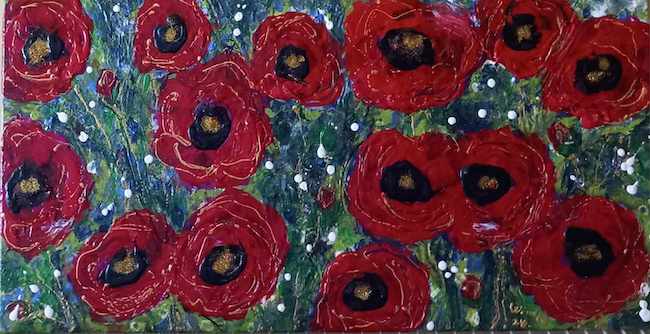
I suoi fiori esplodono, la vivacità è vibrante, fuoriesce dal confine della tela per strabordare verso l’esterno catturando, o forse sarebbe meglio dire abbracciando, l’osservatore che viene trascinato nella magia delle immagini evocate dall’autrice.
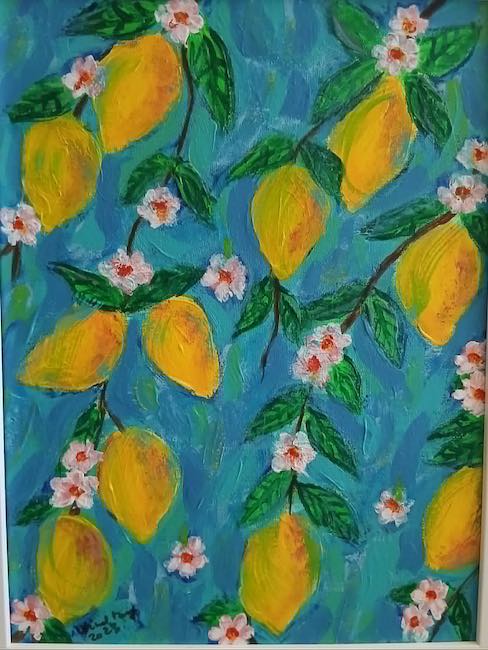
I colori appartengono alla tavolozza Fauves nel loro essere intensi, pieni, coinvolgenti ma mai aggressivi perché la sensazione che Mary Wind suscita è di allegria, solarità, esigenza di osservare il lato positivo della bellezza che circonda l’essere umano, quasi la sua fosse un’esortazione all’individuo contemporaneo di non dimenticare quanto sia facile trovare sollievo e distrazione dalla fretta e dalle complicazioni della vita attuale semplicemente allontanandosi dall’asfalto e dal cemento ritrovando il contatto con la natura, di fatto molto più vicina di quanto sembrerebbe. Il focus è sull’armonia dei fiori, del sole, dell’immediatezza di elementi in grado, da soli, di strappare un sorriso, di ravvivare una giornata triste o cupa, ma soprattutto di ricordare quanto l’uomo sia fortunato a essere circondato da tanta perfezione che potrebbe, e dovrebbe, essere molto più protagonista nell’esistenza di ogni giorno.
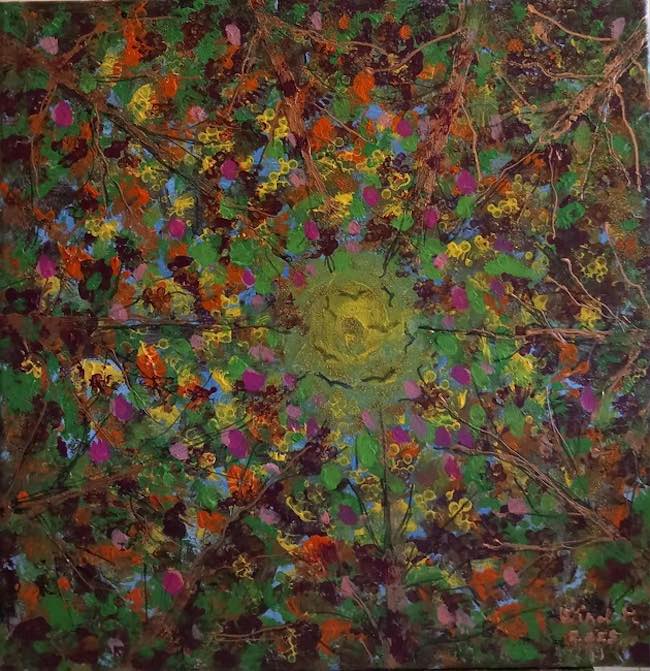
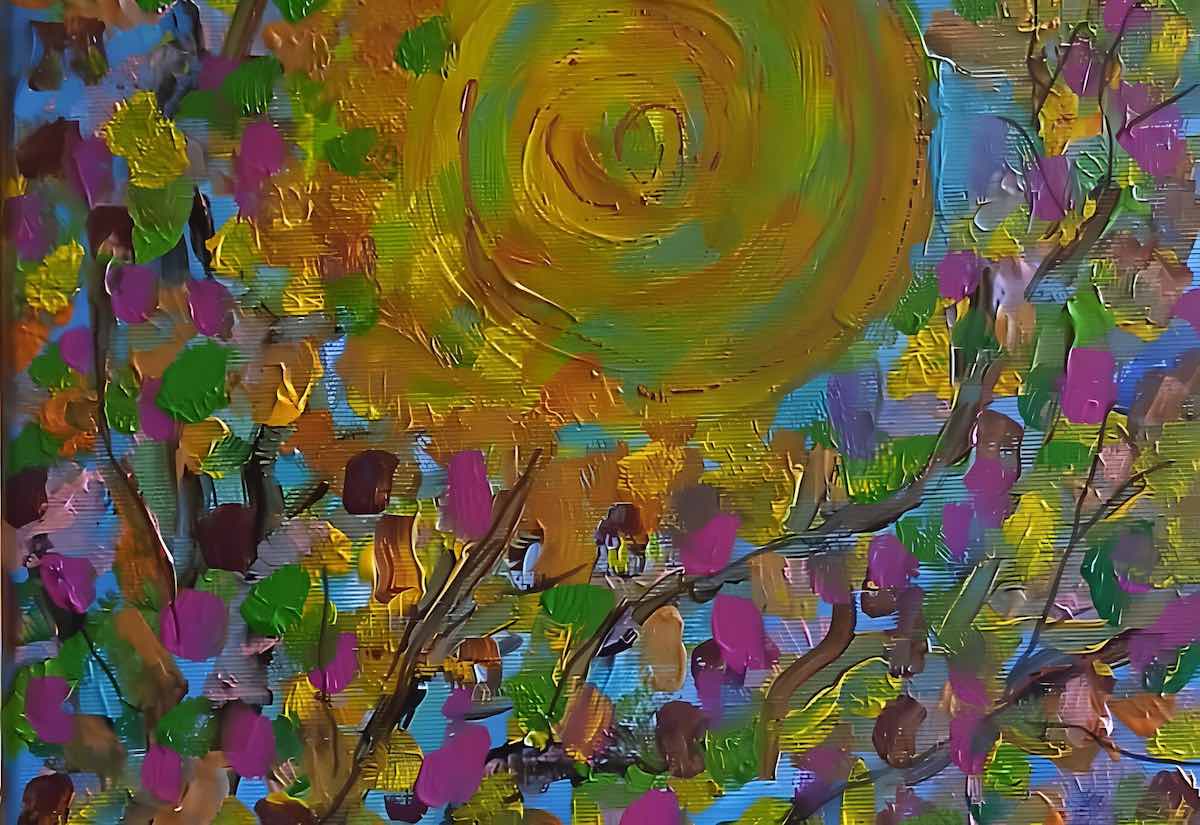
Autumn Dreams mostra il lato esplosivo dei fiori, la loro capacità di unirsi per diffondere il profumo e la sofficità tutto intorno anche nella stagione, quella autunnale, in cui la natura comincia ad addormentarsi prima del gelo dell’inverno; i mille colori utilizzati da Mary Wind per questo lavoro sembrano pertanto essere immersi in un sogno sospeso tra il prima e il dopo, tra la vivacità dell’estate appena conclusa e l’arrivo di una pausa che però sembra far fatica a farsi accettare. Oppure, di contro, la sua è una celebrazione della resilienza che induce la vitalità della flora a non volersi piegare all’inevitabile sopraggiungere di una fine, anche se questa porta già con sé il seme della rinascita.
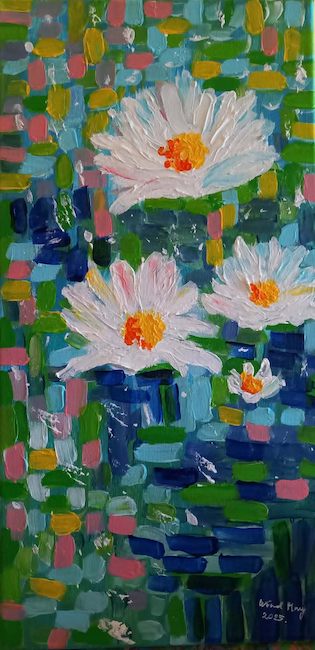
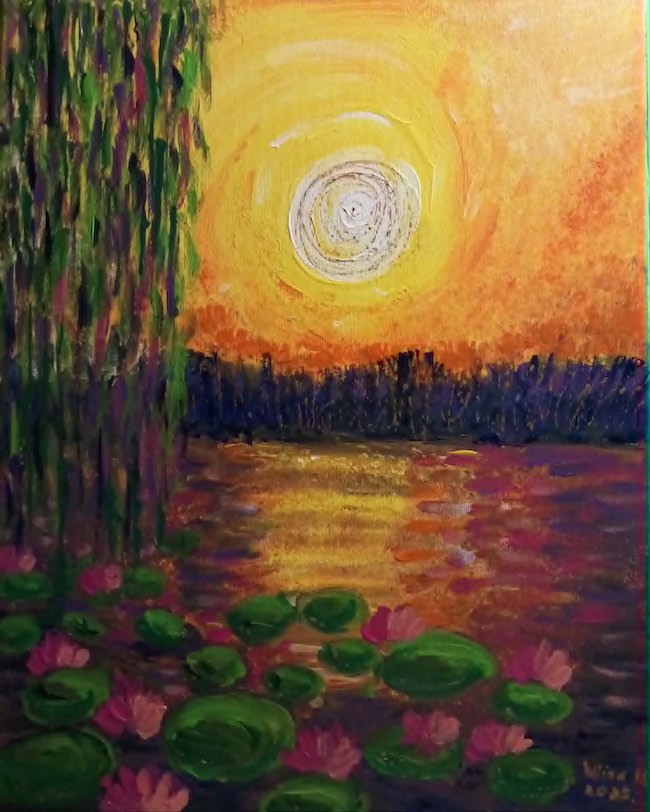
In Lily Pond il tocco pittorico si fa più stilizzato, le brevi pennellate evocano le acque dello stagno e le altre piante che fanno da sfondo alle assolute protagoniste dell’opera, le ninfee galleggianti e rigogliose che da sempre appartengono al lato più romantico dell’immaginario artistico, come se il loro fluttuare sopra la superficie costituisse una meraviglia per quel magico equilibrio tra forza delle radici e mobilità leggera dei loro fiori e delle foglie. L’interpretazione che ne dà Mary Wind si concentra sulla spontanea bellezza delle corolle, pure e nel pieno della loro fioritura, come se fossero prime attrici di una fiaba in cui tutto lo stagno si anima per metterle in evidenza ed esaltarne l’affascinante delicatezza.
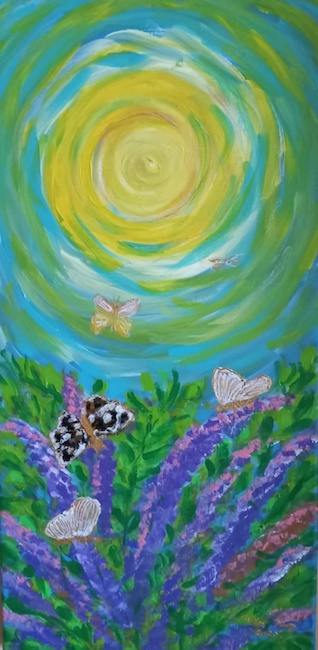
Butterflies flying to Nirvana sottolinea il senso simbolico delle farfalle, quel loro tendere verso il punto più alto malgrado una leggerezza che indurrebbe a crederle fragili e impalpabili; di fatto esse rappresentano per l’autrice la determinazione associata alla grazia, la consapevolezza di poter fuggire attraverso le magiche ali ricoperte di polvere di stelle che consente loro di ambire a elevarsi dalla vicinanza con la terra per correre verso il sole che qui è metafora della gioia, del calore e della protezione. Il nirvana è lo stato di pace assoluta raggiungibile solo attraverso un atteggiamento purificato dagli attaccamenti terreni e contingenti che generano la ricerca di serenità assoluta; e dunque le farfalle possono essere identificate con l’umanità che desidera la calma, la fine di tutti i conflitti che si diffondono continuamente nel mondo contemporaneo, e la possibilità di condurre la propria esistenza secondo i ritmi più equilibrati della natura e non secondo quelli di chi persegue solo il proprio profitto.
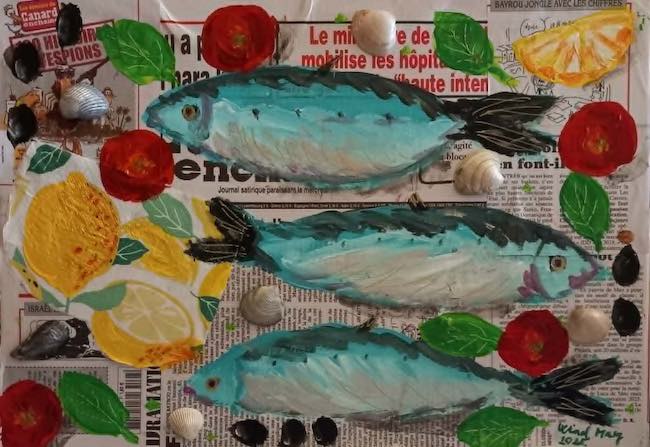
In Fish Collage invece, Mary Wind mostra un’altra attitudine, quella a sperimentare anche la materia, introducendo nelle sue opere ritagli di giornale, scelta stilistica appartenente alla Pop Art e agli affichistes del Nouveau Réalisme, mescolati con la pittura acrilica, caratteristica dell’autrice, e infine veri e propri inserti di materiali; in questo caso ad adornare la composizione sono le conchiglie raccolte in spiaggia che contribuiscono a infondere nell’osservatore la sensazione di trovarsi davanti al bancone di una pescheria dove il bottegaio confeziona al cliente il prodotto ordinato iniziando il lavoro di marinatura che poco dopo, una volta portato tutto a casa, seguirà. In questo lavoro emerge una sottile ironia, il desiderio dell’autrice di giocare con il fruitore quasi volendone ingannare lo sguardo, ma soprattutto segue la propria nuova inclinazione a mescolare mezzi e materiali per dar vita a un inedito sguardo artistico sempre mantenendo l’irrinunciabile legame con lo stile più affine alla sua natura, l’Espressionismo.
Mary Wind ha al suo attivo la partecipazione a mostre collettive e personali a Budapest, Vienna, Milano, Parigi, Zagabria, Bruxelles ed è stata selezionata per la collettiva Autumn Dream in Rome, presso la Galleria Internazionale Area Contesa Artedesign, che avrà luogo dal 20 novembre all’11 dicembre 2026.
MARY WIND-CONTATTI
Email: wind.mary@yahoo.com
Facebook: www.facebook.com/mary.wind.50
Instagram: www.instagram.com/ms.maria.wind/
The spontaneous, melodious and joyful chant of nature in Mary Wind’s Expressionism
Contemplating that perfect, balanced world that surrounds human beings outside urban areas, now completely absorbed by the noise, haste and rationality of everyday life, inspires some artists to recreate the images captured by their gaze through the filter of their own subjectivity, effectively transforming a simple painting into an inner experience that connects the emanating subject, that is the artist, and the recipient, the observer, who then senses that they are facing something more than a mere portrayal of what the eyes see. When the creative approach is this, the painterly style must adapt to an expressiveness that cannot remain on the surface, nor can it be a literal description of reality; rather, the need is to set aesthetic perfection aside in order to delve into the world of emotions, of internalization, and the subsequent transmission through art of those magical sensations that emerge from perceptual experience. Mary Wind’s new artistic production focuses precisely on the most harmonious and, at the same time, magical aspect of nature, dwelling on flora that appears as an explosion of positive energy and emphasizing its most radiant and captivating facets.
The radical transformation of painting, initiated in a highly provocative manner by the French Fauves around the end of the nineteenth century, brought a new awareness to the cultural and artistic world of the time, the realization that art could be something other than the purely aesthetic and formally flawless reproduction of what the eye saw, as had been the case up to Impressionism, and that there was, in fact, much more to be discovered and intuited beneath the image’s superficial surface. Henri Matisse and Maurice de Vlaminck used nature as a means to reveal everything they felt in its presence, choosing deliberately strong, rich, unnatural tones, devoid of depth and chiaroscuro, precisely to emphasize how much sensation should take precedence over rationalization, even if this came at the expense of aesthetics and the harmony of the execution. The colors were aggressive, even violent, hence the nickname Fauves which means beasts in French, and what clearly emerged from the canvases was the absolute subjectivity of the individual artist. A few years later, the movement spread across the entire European continent under the name Expressionism, it drew upon, while preserving and expanding, the pictorial experiences of the Post-Impressionists, some of whom, such as Vincent van Gogh and Paul Gauguin, were considered true forerunners.
Each country offered its own interpretation of the Expressionist guidelines, just as the color palette varied based on the predominant feelings of the artists who chose to be part of the movement; thus Edvard Munch’s canvases, even in their depiction of nature, were darker, conveying a sense of anxiety, anguish, and alienation characteristic of the postwar period, the settings of the eternal child Marc Chagall were more dreamlike and surreal, and more spiritual, connected to primordial naturalness or, in other cases, to the spontaneity of nature, in the works of Emil Nolde in particular but also in those of all the members of Die Brücke in general. From that period onward, painting was never the same again, because the liberation of the inner world gave rise to interesting interpretive facets, rich in personal expression, which have culminated, in the contemporary era, in that blend of styles where experiences and guiding principles are fused to create something new; outstanding exponents of this fusion were the recently deceased David Hockney, in whose lush landscapes Expressionism went hand in hand with Pop Art, and Bernd Zimmer, where the Fauvist-leaning color is once again central to an artistic output strongly oriented toward the narrative of nature.
The same sensibility is evident in the latest paintings by Hungarian artist Mary Wind, who chooses nature, and more specifically its flora, as the absolute protagonist of canvases brimming with emotion and joie de vivre, as if everything that her reserved and shy nature cannot express in reality could find the perfect channel of communication in painting, thus transforming the artistic experience into a true inner catharsis. Her flowers burst forth, their vibrancy is palpable, spilling beyond the canvas’s edges to overflow outward capturing, or perhaps it would be better to say embracing, the viewer who is drawn into the magic of the images evoked by the artist. The colors belong to the Fauvist palette in their intensity, richness, and captivating quality, yet they are never aggressive, for the feeling Mary Wind evokes is one of joy, sunshine, and a need to focus on the positive side of the beauty that surrounds the human being, almost as if she were urging the contemporary individual not to forget how easy it is to find relief and distraction from the hustle and complications of modern life simply by stepping away from the asphalt and concrete and reconnecting with nature which is, in fact, much closer than it might seem.
The focus is on the harmony of flowers, the sun, and the immediacy of elements capable, on their own, of bringing a smile, of brightening a sad or gloomy day, but above all of reminding how lucky man is to be surrounded by such perfection that could, and should, play a much more central role in the daily life. Autumn Dreams shows the explosive nature of flowers, their ability to come together to spread their fragrance and softness all around even during the autumn, the season when nature begins to fall asleep before the winter frost; the myriad colors Mary Wind uses in this artwork thus seem to be immersed in a dream suspended between the before and the after, between the vibrancy of the summer just ended and the arrival of a pause that, however, seems reluctant to be accepted. Or, conversely, hers is a celebration of the resilience that drives the vitality of flora to refuse to yield to the inevitable approach of an end even if that end already carries within it the seed of rebirth. In Lily Pond, the painterly touch becomes more stylized, the short brushstrokes evoke the waters of the pond and the other plants that serve as a backdrop to the work’s undisputed protagonists, the floating, lush water lilies that have always belonged to the most romantic side of the artistic imagination, as if their floating above the surface were a marvel due to that magical balance between the strength of their roots and the light mobility of their flowers and leaves.
Mary Wind’s interpretation focuses on the spontaneous beauty of the corollas, pure and in full bloom, as if they were the leading actors of a fairy tale in which the entire pond comes to life to highlight them and celebrate their enchanting delicacy. Butterflies Flying to Nirvana highlights the symbolic meaning of butterflies, their striving toward the highest point despite a lightness that might lead one to believe they are fragile and intangible; in fact they represent for the author the determination combined with grace, the awareness of being able to escape through their magical wings covered with stardust which allows them to aspire to rise above the earth and fly toward the sun, which here serves as a metaphor for joy, warmth, and protection. Nirvana is the state of absolute peace attainable only through an attitude purified of earthly and contingent attachments that give rise to the search for absolute serenity; and thus butterflies can be identified with humanity, which longs for calm, for an end to all the conflicts that continually spread throughout the contemporary world, and for the possibility of living one’s life according to nature’s more balanced rhythms rather than those of those who pursue only their own profit.
In Fish Collage, on the other hand, Mary Wind reveals a different side of her artistic approach, a willingness to experiment with the medium itself, incorporating newspaper clippings, a stylistic choice associated with Pop Art and the affichistes of Nouveau Réalisme, blending them with her signature acrylic painting and, ultimately, actual material inserts; in this case, the composition is adorned with seashells collected on the beach, which help instill in the viewer the sensation of standing in front of a fishmonger’s counter where the shopkeeper is packaging the customer’s order and beginning the marinating process that will follow shortly afterward, once everything has been taken home. This work reveals a subtle irony, the artist’s desire to play with the viewer, almost as if to deceive his gaze, but above all it reflects her newfound inclination to blend media and materials to create a fresh artistic vision, while always maintaining an indispensable connection to the style most in tune with her nature, Expressionism. Mary Wind has participated in group and solo exhibitions in Budapest, Vienna, Milan, Paris, Zagreb, and Brussels, and has been selected for the group exhibition Autumn Dream in Rome at the Galleria Internazionale Area Contesa Artedesign, which will take place from November 20 to December 11, 2026.