
Essere artista oggi equivale ad avere la possibilità di fondere esperienze, mescolare linguaggi provenienti da stili espressivi formalmente differenti ma in grado di fornire spunti esecutivi funzionali a divenire un abito perfetto, una seconda pelle che può consentire al singolo autore di tracciare una propria e unica linea esecutiva; scegliere di intraprendere un percorso tanto meditato e ragionato induce questa tipologia di interpreti a introdurre tutto l’istinto attraverso cui riescono a dare corpo a un pensiero, a un’intuizione, a un racconto secondo un punto di vista consistente, stratificato esattamente come i livelli di coscienza e di pensiero si sviluppano dall’interno fino ad affiorare all’esterno. Patrizia Casagranda è una voce solista nel panorama artistico internazionale, capace di attingere a linguaggi appartenenti a mondi artistici variegati per trasformarli in narrazione in virtù della quale può mettere in luce le mille facce del mondo femminile, con le profondità, le piccole lotte quotidiane e il senso di rivalsa verso una società globale che ancora è incapace di rendersi conto dell’importanza imprescindibile del suo ruolo.
Contestualmente al rinascere della società a seguito della fine della seconda guerra mondiale, emerse negli Stati Uniti un movimento destinato a cambiare per sempre il corso della storia dell’arte, grazie soprattutto al suo creatore, nonché forse ultimo grande mecenate, Andy Warhol; il movimento prese il nome di Pop Art e si proponeva, per la prima volta nella storia moderna, di parlare al grande pubblico, con un linguaggio semplice e immediato legato ai simboli e alle icone della vita quotidiana. Dive del cinema, personaggi emblematici e a volte controversi della scena internazionale, fumetti, supereroi, tutto doveva rivolgersi al nuovo Pop-olo, a quella emergente classe borghese che cominciava ad avere un sempre maggiore potere di acquisto. In particolare Roy Lichtenstein si distinse dagli altri sia per l’uso delle parole onomatopeiche, tipiche del mondo fumettistico, e sia per la particolarissima tecnica realizzativa a puntini che attingeva idealmente al Post-Impressionismo ma completamente riadattata al suo approccio pittorico; di fatto, anche se spesso questa connessione viene ignorata, fu proprio lui ad anticipare in qualche modo l’abitudine a utilizzare frasi all’interno di un’opera d’arte divenendo l’apri pista di tutta quella Street Art graffitista che doveva segnare i muri per lasciare il messaggio interiore del singolo autore.
Anche in questo caso a tenere sotto la propria ala protettiva i primi interpreti della Street Art, come Jean-Michel Basquiat e Keith Haring, fu Andy Warhol che fu fondamentale per far conoscere ai frequentatori della sua notoria Factory il messaggio degli artisti di strada. L’attitudine a utilizzare le parole sui muri ma anche su materiali diversi come carta, in alcuni casi introducendo direttamente ritagli di giornale o lettere ritagliate e poi incollate, fu ripresa e ampliata da Shepard Fairey, street artist conosciuto con il nome di Obey che si ispirò ai colori e allo stile serigrafico di Warhol nei suoi noti ritratti, e anche da tutta quella successiva generazione di graffitisti come Blade, Futura 2000, Lady Pink e Dondy White che con le loro parole e i loro tag hanno riempito i muri delle città statunitensi. Immagini in stile quasi fumettistico, anch’esso formalmente ispirato allo stile essenziale di Andy Warhol, sebbene privo della scelta cromatica del maestro statunitense, e talvolta parole incisive che calamitano l’attenzione sul tema di ogni murale, contraddistinguono l’artista britannico Banksy che si avvale dell’uso di stencil da lui creati per eseguire con la massima rapidità i suoi graffiti con lo scopo di evitare di essere scoperto nell’atto del realizzarli.
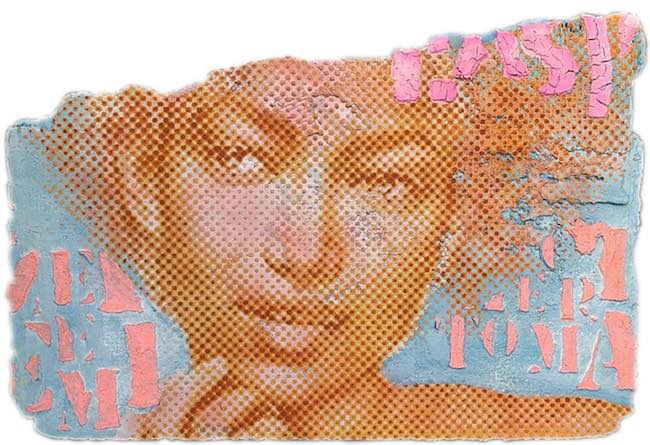
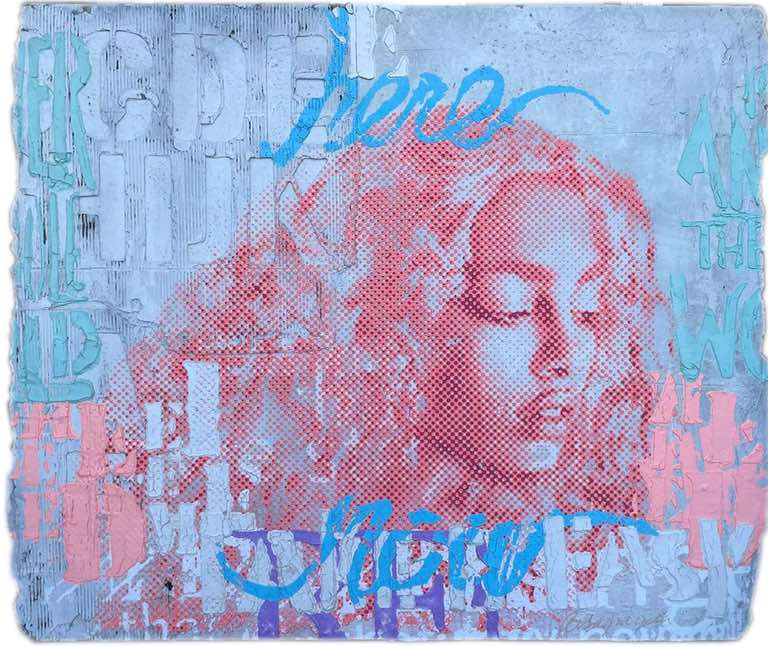
L’artista tedesca Patrizia Casagranda fa sua l’attitudine tutta contemporanea a studiare e mescolare le conoscenze dell’arte del passato recente al fine di adeguarle alla propria poetica espressiva che dal punto di vista puramente figurativo si presenta come una modernizzazione del Puntinismo Pop di Roy Lichtenstein, mentre da quello esecutivo rivela una tendenza che attinge ai movimenti materici della seconda metà del Novecento, come l’Arte Povera evoluta poi in Arte del Riciclo. Non solo, a essere centrale nella ricerca pittorica di Patrizia Casagranda è la stratificazione, la sovrapposizione dei materiali che è stata punto focale di tutta la tradizione dell’Informale Materico e che in lei si evolve tralasciando le ferite e il dolore tipici di Alberto Burri per entrare nella dimensione più intimista dell’empatia, della capacità di mettere in luce i lati profondi e interiori delle donne che sceglie di ritrarre.
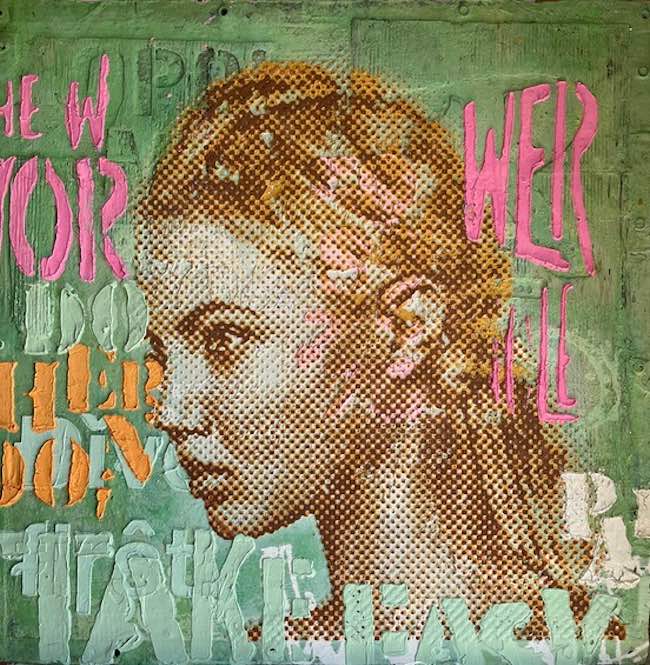
Il risultato è un affascinante connubio tra Graffitismo, Pop Art e Materia in virtù della quale l’autrice presenta all’osservatore le sue serie tematiche tutte focalizzate su un tema sociale, contemporaneo ma soprattutto cosmopolita come è la sua stessa natura. Diplomatasi in Design e specializzata in Illustrazione, ha lavorato per molti anni come grafica, settore che l’ha ispirata nella ricerca del colore e nell’utilizzo delle parole intese come sintesi di concetti funzionali a indurre alla riflessione, ed è esattamente da qui che è partita nel momento in cui ha sentito, nel 2016, di doversi dedicare in maniera esclusiva alla carriera di artista free lance.
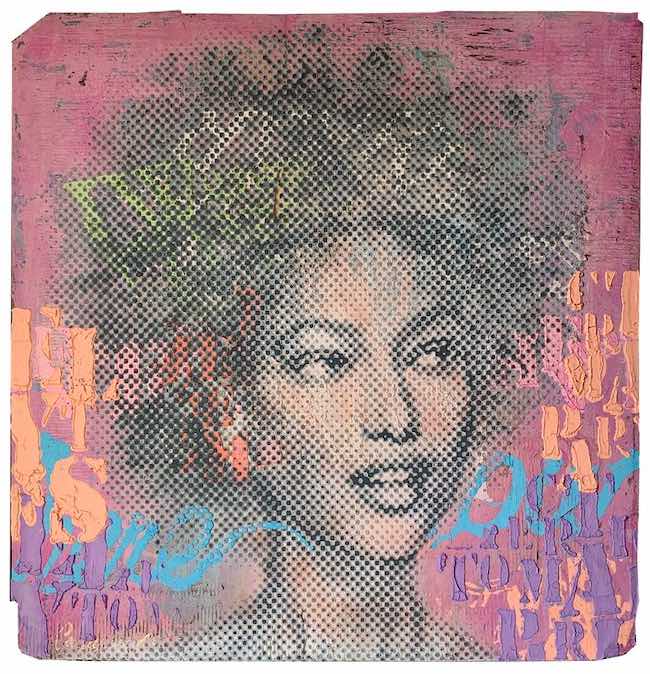
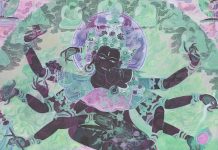
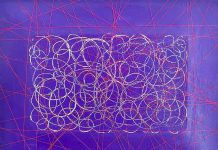
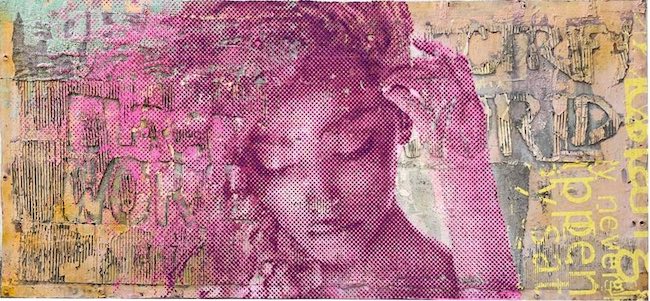
La particolarità più evidente, oltre al suo focalizzarsi solo e unicamente la figura femminile, è quella di creare una griglia multistrato che diviene una lente a maglie larghe attraverso cui suddivide la figurazione, quasi a voler sottolineare quanto ogni persona racchiuda in sé una serie infinite di sfaccettature, di vuoti e di pieni che contraddistinguono il carattere e l’ espressività più istintiva; è proprio lì che si fissa lo sguardo di Patrizia Casagranda, in quel dettaglio cangiante che potrebbe scomparire se guardato da un’angolatura diversa, in quel frammento di immagine che riesce a catturare proprio in virtù della consapevolezza della sua intensa fugacità.
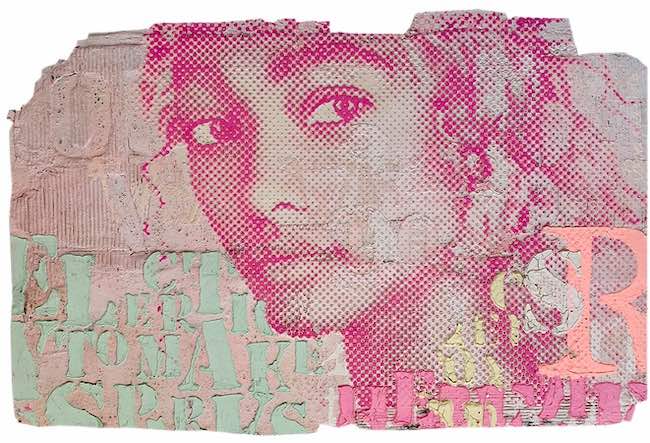
I temi affrontati riguardano la consapevolezza che in senso più ampio si lega all’emancipazione per la quale la donna deve combattere costantemente, come se tutte le battaglie succedutesi nel secolo scorso non fossero state sufficienti a stabilire un’eguaglianza completa con il mondo maschile; e poi ancora il desiderio di cambiamento, e qui Patrizia Casagranda sottolinea un altro tema ancora scottante, quello razziale che induce la figura femminile a dover dimostrare con più forza il proprio valore perché ancora vittima di pregiudizi e di disparità che deve essere sanata. Ma il fascino più magnetico viene esercitato dalla serie dedicata alle ragazze dei rifiuti, appartenenti alla casta delle Kabelia, che l’autrice ha incontrato durante un suo viaggio in India e che l’hanno ispirata a inserire nelle sue tele proprio quei rifiuti da loro raccolti e custoditi iniziando un percorso per cui il riciclo, tutto ciò che trova in strada, come teloni di camion, pezzi di iuta, tessuto, carta o cartone, diventano base di stratificazione di pittura mescolata a malta e gesso.
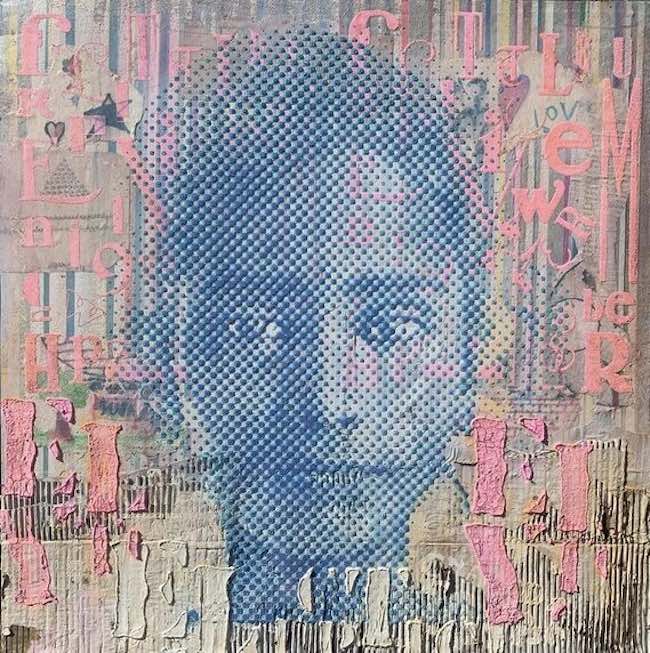
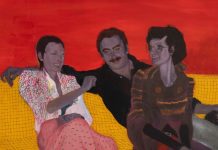
Dalla Street Art prende invece l’utilizzo degli stencil, delle griglie, della vernice spray per spruzzare le tele e i ritagli di testo che Patrizia Casagranda fonde per creare un’eco suggestiva attraverso cui sottolinea il concetto della singola opera che così rende più esplicita l’espressione colta nell’istante in cui l’autrice ne viene colpita al punto di fissarla nella sua memoria emotiva per poi rilasciarla nel frangente dell’atto pittorico. I volti ritratti esprimono la personalità di ciascuna protagonista, il loro atteggiamento verso la vita e le situazioni sottolineato dalla gamma cromatica predominante, citata anche nel titolo, come se dall’interiorità emergente in maniera inconsapevole fosse possibile comprendere l’essenza delle ragazze al centro della scena.
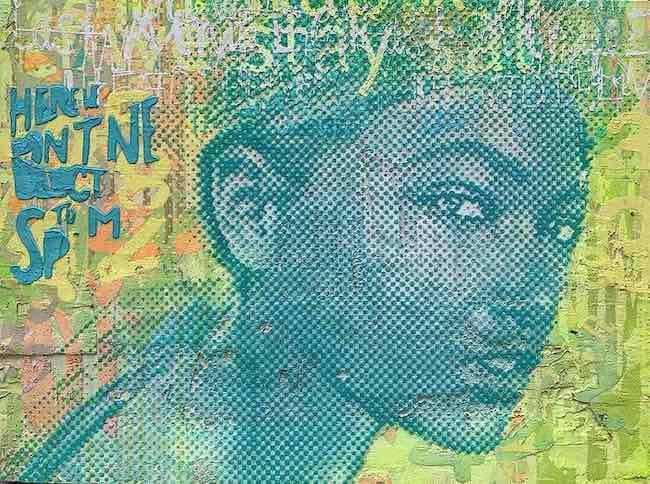
Il fascino delle opere di Patrizia Casagranda emerge dunque da quella mescolanza tra materia e sensibilità, tra contemporaneità graffitista e linguaggio artistico che nella sua tradizione più classica era nato anche per rivolgersi al popolo, per sensibilizzarlo su temi religiosi e sociali che oggi si sono trasformati in attitudine a mettere in evidenza le problematiche, le mancanze e le criticità di una società attuale che sembra non riuscire a trovare il suo percorso migliore, quello che eleverebbe l’umanità. Il risultato finale è fresco, metropolitano, urbano nell’aspetto quanto Pop nella sua funzione di riflessione su quegli argomenti di cui le donne parlano quando sono in gruppo ma che spesso non riescono ad applicare nella loro vita quotidiana dove la voce del singolo tende a essere silenziata dalle abitudini, dai luoghi comuni, dalle certezze acquisite e troppo spesso generalizzate al punto di dimenticare che ogni individuo ha le sue sfaccettature. Ecco, Patrizia Casagranda lascia che quelle voci, quelle parole all’interno di sé e spesso troppo complesse da esplicitare, escano spontaneamente e fluttuino intorno ai volti intensi, ammiccanti, solo apparentemente sicuri di sé ma sostanzialmente fragili e delicati, delle figure femminili che rende attrici soliste di ciascuno dei suoi dipinti.
Patrizia Casagranda, nel corso della sua carriera, ha partecipato alle più importanti fiere d’arte in Germania, Regno Unito, Lussemburgo, Cina e Svizzera, ed è rappresentata da gallerie d’arte a Düsseldorf, Ulm, Colonia, Hamm, Dresda, Monaco, Augsburg, Jülig per quanto riguarda la Germania, e Monza, Zurigo, Vienna, Cala Figuera (Maiorca) e Mauritius per quanto riguarda l’estero; vive e opera tra la Germania, l’Olanda e l’India.
PATRIZIA CASAGRANDA-CONTATTI
Email: patriziacasagranda@gmail.com
Sito web: www.patriziacasagranda.com/
Facebook: www.facebook.com/patrizia.casagranda.3
Instagram: www.instagram.com/casagrandapatrizia_/
Urban Art by Patrizia Casagranda, where women take center stage in all her many facets
Being an artist today means having the opportunity to blend experiences and mix artistic languages drawn from formally different expressive styles yet capable of providing creative insights that come together to form a perfect garment, a second skin that allows each artist to chart their own unique creative path; choosing to embark on such a thoughtful and reasoned path leads this type of artist to fully embrace the instinct through which they give form to a thought, an intuition, or a narrative from a coherent perspective that is layered just as the levels of consciousness and thought develop from within until they emerge outwardly. Patrizia Casagranda is a leading voice on the international art scene, capable of drawing on languages from diverse artistic worlds to transform them into a narration through which she can highlight the myriad facets of the female world with its depths, its small daily struggles, and its sense of vindication against a global society that remains incapable of recognizing the indispensable importance of women’s role.
Along with the rebirth of society following the end of World War II, a movement emerged in the United States that was destined to change the course of art history forever, thanks above all to its creator, and perhaps the last great patron, Andy Warhol; the movement was called Pop Art and, for the first time in modern history, sought to speak to the general public in a simple and immediate language tied to the symbols and icons of everyday life. Movie stars, emblematic and sometimes controversial figures on the international scene, comic books, and superheroes, everything was meant to appeal to the new P-eople, that emerging middle class that was beginning to gain ever-greater purchasing power. In particular, Roy Lichtenstein distinguished himself from others both through his use of onomatopoeic words, typical of the comic book world, and through his highly distinctive dot-based technique which drew inspiration from Post-Impressionism but was completely adapted to his own painterly approach; in fact, although this connection is often overlooked, it was he who, in a sense, pioneered the practice of incorporating phrases into works of art, becoming the trailblazer for the entire Graffiti-based Street Art movement that would go on to mark walls with the inner message of each individual artist. In this instance, too, it was Andy Warhol who took early street artists, like Jean-Michel Basquiat and Keith Haring, under his protective wing, playing a pivotal role in introducing the message of these street artists to the habitués of his notorious Factory.
The practice of using words on walls, as well as on various materials such as paper, in some cases by directly incorporating newspaper clippings or cut-out letters that were then pasted on, was adopted and expanded upon by Shepard Fairey, the street artist known as Obey, who drew inspiration from Warhol’s colors and silkscreen style in his famous portraits, as well as by the entire subsequent generation of graffiti artists such as Blade, Futura 2000, Lady Pink, and Dondy White, who filled the walls of U.S. cities with their words and tags. Images with a near-comic-book aesthetic, formally inspired by Andy Warhol’s essential style though lacking the American master’s signature color palette, and occasionally striking words that draw attention to the theme of each mural, are hallmarks of the British artist Banksy who uses stencils of his own creation to execute his graffiti with maximum speed, aiming to avoid detection while executing them. German artist Patrizia Casagranda embraces the thoroughly contemporary approach of studying and blending artistic knowledge from the recent past in order to adapt it to her own expressive poetics which, from a purely figurative perspective, appears as a modernization of Roy Lichtenstein’s Pop Pointillism, while from a technical standpoint it reveals a tendency that draws on the materialist movements of the second half of the 20th century, such as Arte Povera, which later evolved into Recycling Art. Moreover, central to Patrizia Casagranda’s artistic practice is the layering and superimposition of materials, a focal point of the Material Informal tradition which in her work evolves beyond the wounds and pain characteristic of Alberto Burri to enter a more intimate realm of empathy, revealing the profound inner depths of the women she chooses to portray.
The result is a fascinating fusion of Graffitismo, Pop Art, and Material, through which the artist presents the viewer with her thematic series all centered on a social theme that is contemporary but, above all, cosmopolitan, just like her own nature. After earning a degree in Design with a specialization in Illustration, she worked for many years as a graphic designer, a field that inspired her in her exploration of color and the use of words as a synthesis of concepts functional to provoke reflection and it was precisely from this point that she set out when, in 2016, she felt the need to devote herself exclusively to a career as a freelance artist. Her most striking characteristic, besides her focus solely on the female figure, is her creation of a multilayered grid that acts as a wide-mesh lens through which she divides the figure, as if to emphasize how every person embodies an infinite series of facets, of voids and solids that define their character and most instinctive expressiveness; it is precisely there that Patrizia Casagranda’s gaze settles, on that shifting detail that might vanish if viewed from a different angle, on that fragment of an image she manages to capture precisely because she is aware of its intense transience.
The themes addressed concern awareness which, in the broadest sense, is linked to the emancipation for which women must constantly fight, as if all the battles fought over the past century had not been enough to establish complete equality with men; and then there is the desire for change, and here Patrizia Casagranda highlights yet another pressing issue, the racial one which compels women to prove their worth more forcefully because they remain victims of prejudice and inequality that must be rectified. But the most magnetic appeal comes from the series dedicated to the “garbage girls”, members of the Kabelia caste, whom the artist met during a trip to India and who inspired her to incorporate into her canvases the very waste they collect and preserve, embarking on a journey in which recycling, everything she finds on the street such as truck tarps, pieces of jute, fabric, paper, or cardboard, becomes the foundation for layers of paint mixed with mortar and plaster.
From Street Art she employs stencils, grids, and spray paint on canvas, along with text cutouts that Patrizia Casagranda fuses together to create an evocative resonance through which she underscores the concept of each single work, making more explicit the expression captured in the very moment it struck the artist, imprinted upon her emotional memory, only to be released during the act of painting. The faces portrayed express the personality of each protagonist, their attitude toward life and situations underlined by the predominant color palette, also referenced in the title, as if it were possible to grasp the essence of the young women at the center of the scene through the inner world that emerges unconsciously. The appeal of Patrizia Casagranda’s works thus emerges from that blend of materiality and sensitivity, between graffitist contemporary and an artistic language that, in its most classical tradition, was also created to speak to the people, to raise awareness of religious and social issues that today have evolved into an approach that highlights the problems, the shortcomings, and the critical issues of a contemporary society that seems unable to find its best path, the one that would elevate humanity.
The final result is fresh, metropolitan, and urban in appearance, yet as Pop in its function of reflecting on those topics women discuss when they’re in groups but often fail to apply in their daily lives where the voice of the individual tends to be silenced by habits, clichés, and acquired certainties that are all too often generalized to the point of forgetting that every individual has their own multifaceted nature. Patrizia Casagranda allows those voices, those inner words often too complex to articulate, to emerge spontaneously and drift around the intense, knowing faces of the female figures she portrays as the solo protagonists of each painting, faces that appear self-assured yet are fundamentally fragile and delicate.Throughout her career, Patrizia Casagranda has participated in the most important art fairs in Germany, the United Kingdom, Luxembourg, China, and Switzerland, and is represented by art galleries in Düsseldorf, Ulm, Cologne, Hamm, Dresden, Munich, Augsburg, and Jülig in Germany, and abroad in Monza, Zurich, Vienna, Cala Figuera (Mallorca), and Mauritius; she lives and works in Germany, the Netherlands, and India.