
Nell’universo creativo di ciascun artista si sviluppa una tendenza alla narrazione delle emozioni legata a ciò su cui lo sguardo si posa, o che percepisce, e che poi viene manifestata nello stile più affine, quello che diviene quasi una seconda pelle appartenente solo ed esclusivamente a quell’autore specifico. In questo sistema di distinguibilità non importa se l’approccio sia più informale, distaccato da ogni oggettività per dare priorità all’universo emozionale, oppure se necessiti invece di scattare una fotografia arricchita da sensazioni assolutamente soggettive della bellezza che si trova davanti ai suoi occhi. Michael Coleman sceglie la cifra stilistica più tradizionale pur riadattandola a paesaggi poco noti e poco visti poiché appartenenti a quell’entroterra statunitense, sua nazione di origine, ricco di fascino e di distese sterminate tutte da scoprire.
Intorno alla metà dell’Ottocento si affermò in Europa un movimento che da un lato intendeva descrivere la realtà nel modo più fedele possibile all’osservato pur distaccandosi dalla tradizione pre-ottocentesca in cui a essere protagonisti erano gli interni nobiliari o scene in esterni legati al mito, alle grandi battaglie e alle rappresentazioni religiose, dall’altro non poteva ignorare le innovazioni sulla scelta di soggetti in esterno e le ricerche sulla luce effettuate dall’appena precedente Arte Romantica, in particolar modo quella inglese. Il Realismo, questo il nome del movimento, si proponeva di cominciare a osservare le classi meno abbienti, i lavoratori, la vita delle persone comuni nelle strade e nei momenti di riposo tanto quanto in quelli di svolgimento delle proprie mansioni quotidiane, avvicinando al tratto preciso e definito un’interpretazione personale che lasciava fuoriuscire i sentimenti e le emozioni dei soggetti protagonisti tanto quanto quelle suscitate nel momento in cui ci si trovava davanti ai paesaggi descritti dagli autori. Fu in particolar modo la Scuola di Barbizon, in Francia, che focalizzò la sua attenzione sulle campagne francesi, sui villaggi rurali e sul lavoro dei popolani, tematiche riscontrabili nei capolavori di Jean-François Millet e Jean-Baptiste Camille Corot. Ma il mondo ormai era in stretta connessione, le innovazioni europee arrivavano, con un leggero ritardo, anche in quel continente americano che a sua volta contava al suo interno numerosi talenti artistici desiderosi di essere notati e di stare al passo con i tempi; la Hudson River School attinse alle tematiche del Romanticismo Inglese per sviluppare una pittura più realista, più incentrata sulla descrizione delle sterminate praterie americane, le sue montagne e la natura selvaggia dell’interno della nazione.
In qualche modo lo stile della scuola fondata da Thomas Cole può essere definito come Realismo Naturalistico poiché alle sensazioni spirituali e romantiche si aggiungeva un’attenzione al dettaglio quasi ossessiva quanto necessaria a creare la riproduzione perfetta della bellezza dei paesaggi osservati e vissuti dagli appartenenti alla corrente artistica. Dunque differentemente dal Realismo europeo che si fondava sulla narrazione della realtà in tutta la sua crudezza, nella Hudson River School le opere erano immerse nelle atmosfere quasi idealizzate che fuoriuscivano sia dalla perfetta descrizione e sia dai cieli impalpabili e soffici, pieni di luminosità, attraverso cui gli autori facevano fuoriuscire la loro visione spirituale e sublime. Verso la fine dell’Ottocento e con l’ingresso verso il nuovo secolo tuttavia, i gusti dei collezionisti cambiarono e gli appassionati dell’arte figurativa statunitense volevano vedere scene di vita delle città, il loro traffico, i palazzi, le strade vive e brulicanti, dunque la pittura paesaggistica della Hudson River School fu messa da parte per prediligere il Realismo Americano di cui fu prima protagonista la Ashcan School, capitanata da Robert Henri, John Sloan e George Bellows, e infine nel periodo della Grande Depressione e delle due guerre mondiali, il Realismo Sociale americano di cui fu grande protagonista Edward Hopper.
L’artista Michael Coleman si va a collocare in una terra di mezzo tra il Romanticismo Inglese di William Turner, con i suoi panorami naturali in cui a emergere sono la bellezza e la travolgenza di una natura in cui l’essere umano è assente o appena accennato proprio per sottolineare la sua esiguità rispetto alla grandezza in cui ha il privilegio di vivere, e la precisione del dettaglio tipica della Hudson River School funzionale a mettere in risalto non solo i paesaggi che ama descrivere ma anche gli animali spesso co-protagonisti dei suoi dipinti.
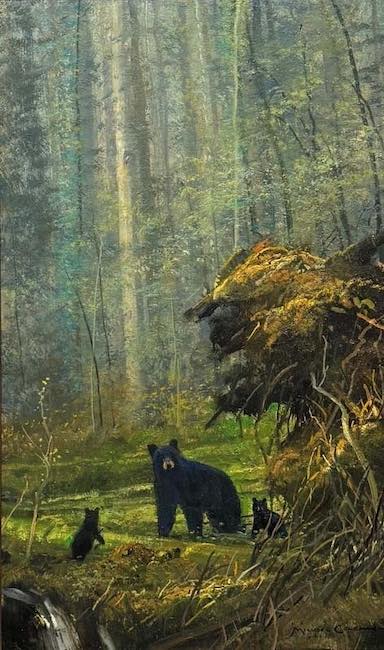
Le opere di Michael Coleman raccontano delle praterie americane, di quelle ambientazioni appartenenti ai film sul far west che tanto hanno affascinato il pubblico degli anni Cinquanta e che sembrano rivivere grazio al suo tratto delicato e al contempo preciso e definito; ma ciò che forse colpisce di più sono le atmosfere che sembrano fuoriuscire dalle tele per avvolgere l’osservatore con il loro aspetto soffuso e romantico, inteso nel senso più ampio del termine, come se a dover essere notata fosse la medesima visione sublime ed emozionale della Hudson River School.
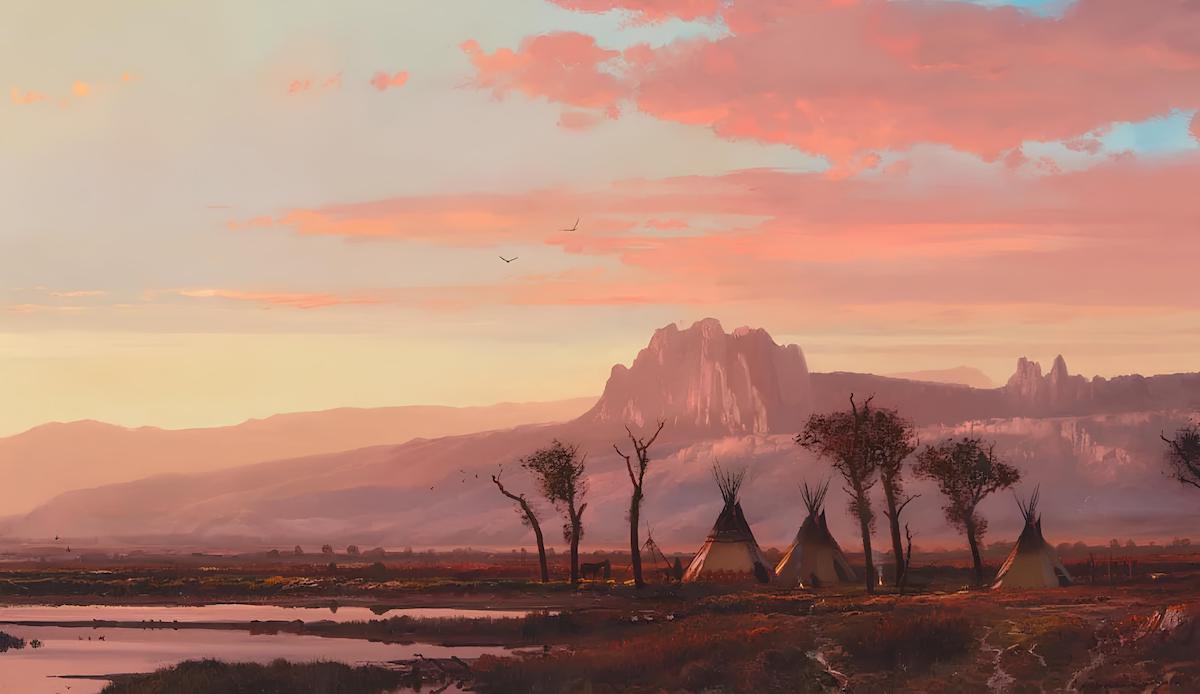
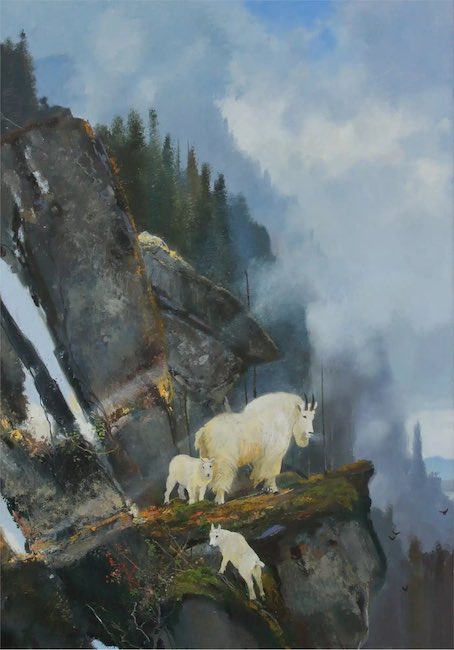
I cieli sono prevalentemente narrati al tramonto, aggiungendo suggestione alle praterie che arrivano fino all’orizzonte interrotte solo dai rilievi montuosi in lontananza, oppure sono nebbiosi per sottolineare l’asprezza di una natura che, in quegli angoli solitari e sperduti, può accogliere solo animali nati per resistere a condizioni estreme.
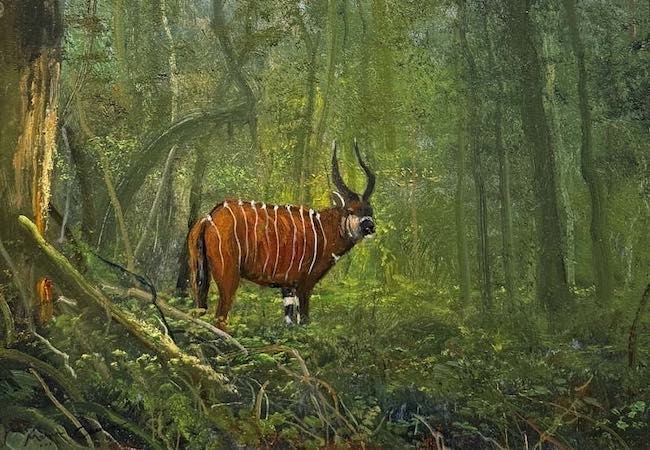
In altri dipinti a essere protagonisti assoluti sono proprio loro, gli animali, circondati dal verde intenso di una vegetazione lussureggiante e intatta proprio perché non raggiunta né intaccata dall’azione spesso distruttiva dell’uomo; il dipinto Bongo è esattamente questo, il desiderio di Michael Coleman di puntare il suo obiettivo su un animale originario dell’Africa ma allevato in cattività negli Stati Uniti, dove spesso vengono importate alcune specie per salvarle dall’estinzione, di fatto ripopolando e ricollocandole in habitat diversi e lasciate in stato di semi-libertà controllata. L’attenzione dell’autore si concentra sulla bellezza del manto della grande antilope e sull’energia avvolgente e protettiva della natura in cui si trova immersa, con quel verde intenso e vibrante che è fonte di vita e di rigenerazione; la definizione delle foglie qui è sfumata, ammorbidita come se la scena fosse ripresa da una camera fotografica che punta il focus solo sul centro della scena, sul suo protagonista, lasciando in secondo piano tutto il resto che però non perde la sua importanza nella composizione finale.
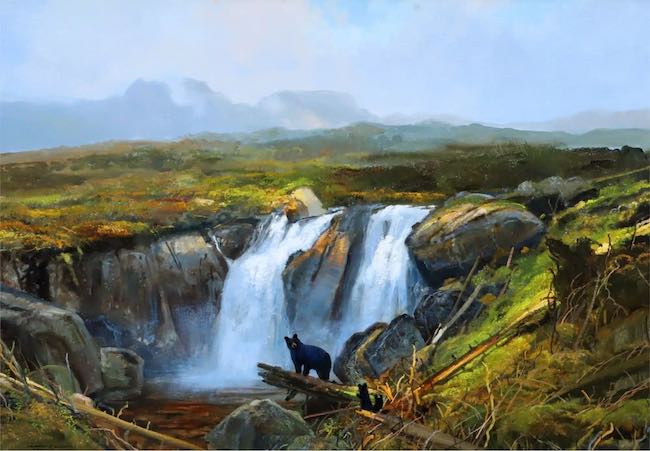
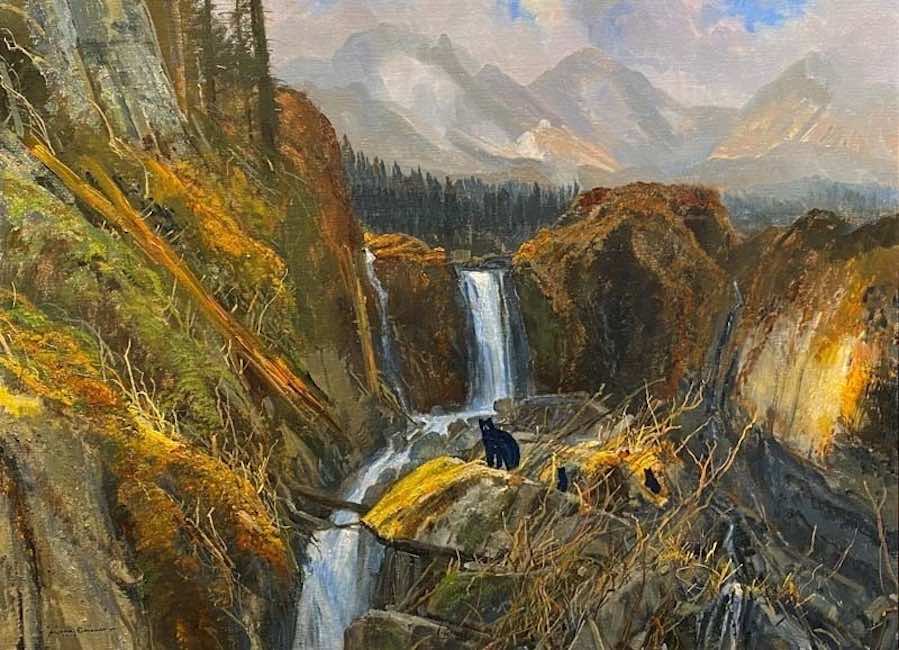
Il dipinto In the Rock Mountains mostra tutta l’ammirazione dell’autore per una natura che toglie il fiato per la sua bellezza e per la sua inaccessibilità che deve essere raccontata e al contempo difesa e protetta da ogni tentativo di domarla o di toglierle la purezza che la rende tanto essenziale per l’intero ecosistema. Il suo essere così selvaggia e sterminata viene evidenziato dalla presenza di un orso che appare persino piccolo rispetto al paesaggio in cui è ritratto, come se Michael Coleman volesse sottolineare quanto ogni essere vivente sia ospite in un mondo che sopravvive, secolo dopo secolo, rimanendo uguale a se stesso e immutato nella sua magnificenza. In questo lavoro il cielo è leggermente nuvoloso come se volesse velare i profili delle Montagne Rocciose, che sembrano vegliare sulla pianura sottostante piena di vita; l’acqua della cascata è infatti il simbolo del ciclo dell’esistenza poiché con il suo scorrere non solo rende rigoglioso il terreno ma disseta anche tutti gli animali che abitano quell’angolo di mondo, impervio e selvaggio.
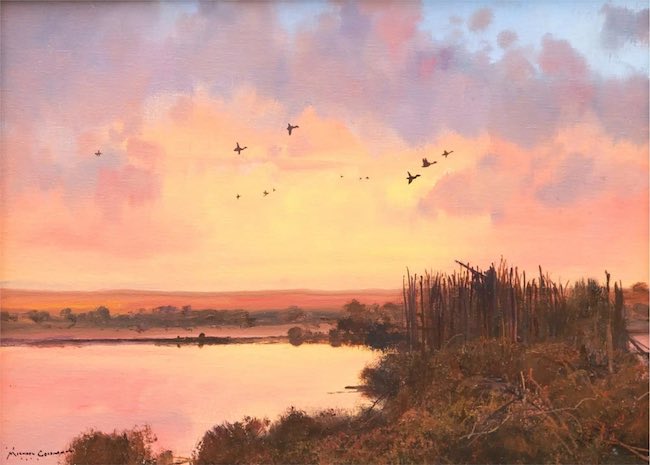
Last shot è una delle opere di Michael Coleman in cui è inserita, o meglio lasciata intravedere, la presenza umana che in questo caso, pur essendo immortalata nell’atto di cacciare gli uccelli, viene ritratta in una delle abitudini più comuni delle praterie statunitensi, quella di sparare per misurare la propria abilità nella mira ma anche per mantenere quell’istinto ancestrale che induceva l’uomo di tanti secoli fa a procacciare il cibo per sé e la propria famiglia. Nonostante quella presenza che determina il titolo del dipinto, a essere protagonista assoluta in questo caso è la meraviglia del cielo rosato al tramonto, le sfumature che danno un punto di vista diverso sul paesaggio sconfinato e lo rendono suggestivo e romantico. Su di esso si stagliano gli uccelli che volano liberi, ignari che la loro vita potrebbe estinguersi di lì a qualche secondo ed ecco pertanto che l’ultimo tiro, traduzione letterale del titolo, può trasformarsi nel loro ultimo volo. La definizione qui si fa più nitida, precisa persino nell’atmosfera soffusa del giorno che si spegne per dare spazio alla notte di lì ad arrivare, anzi sembra quasi che proprio il nascondersi del sole riesca a mettere in evidenza ciò che con la luce piena non sarebbe mai notato.
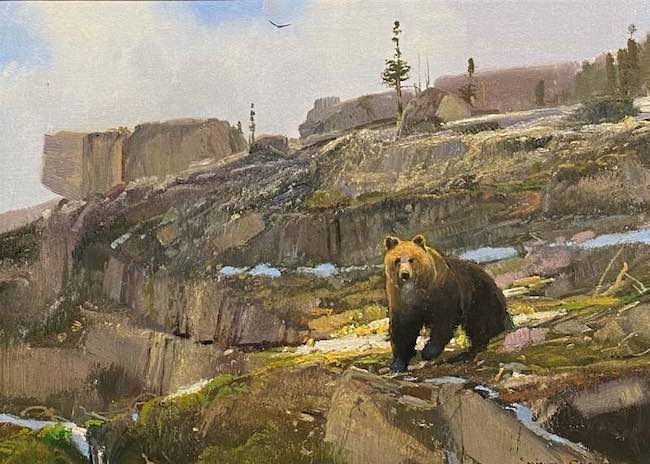
Michael Coleman, nato nello Utah trascorrendo la sua infanzia cacciando e pescando in tutta la regione delle Montagne Rocciose di fatto racconta quegli scenari come fossero ricordi personali e indelebili, lasciando pertanto sempre emergere un velo nostalgico che appare in tutte le sue tele. Le opere di Michael Coleman fanno parte di collezioni private e pubbliche come il Corning Museum, la Collezione Anschutz, il National Wildlife Art Museum, il Buffalo Bill Historical Center, l’Ambasciata canadese e il Museo Nazionale di Dubai.
MICHAEL COLEMAN-CONTATTI
Email: michael@Colemanart.com
Sito web: www.michaelcolemanfineart.com/
Facebook: www.facebook.com/ColemanStudios
Instagram: www.instagram.com/michaelcolemanart/
The magnificence of american landscapes in Realism by Michael Coleman
Within the creative universe of every artist develops a tendency to convey emotions linked to what the eye beholds or perceives that is then expressed in the most fitting style, the one that becomes almost a second skin belonging solely and exclusively to that specific author. Within this system of distinctiveness, it does not matter whether the approach is more informal, detached from all objectivity to prioritize the emotional realm, or whether it instead requires capturing an image enriched by entirely subjective sensations of the beauty that lies before the artist’s eyes. Michael Coleman chooses the more traditional stylistic approach while adapting it to little-known and rarely seen landscapes, those of the American hinterland, his country of origin, rich in charm and endless expanses waiting to be discovered.
Around the mid-19th century emerged in Europe a movement that on the one hand sought to depict reality as faithfully as possible to what was observed, while distancing itself from the pre-19th-century tradition in which the protagonists were aristocratic interiors or outdoor scenes linked to myth, great battles, and religious depictions, on the other hand, it could not ignore the innovations in the choice of outdoor subjects and the studies of light carried out by the preceding Romantic Art particularly the English one. Realism, that was the name of the movement, aimed to observe the less affluent classes, the workers, and the lives of ordinary people on the streets and during moments of rest as well as while performing their daily tasks, combining precise and defined brushwork with a personal interpretation that allowed the feelings and emotions of the subjects to shine through just as much as those evoked when viewing the landscapes depicted by the artists. It was particularly the Barbizon School in France that focused its attention on the French countryside, rural villages, and the labor of the common people, themes found in the masterpieces of Jean-François Millet and Jean-Baptiste Camille Corot.
But the world was then closely interconnected, European innovations reached, with a slight delay, the American continent as well, which in turn boasted numerous artistic talents eager to be noticed and to keep pace with the times; the Hudson River School drew on the themes of English Romanticism to develop a more realistic style of painting, one more focused on depicting the vast American prairies, its mountains, and the wild nature of the nation’s interior. In a way, the style of the school founded by Thomas Cole can be defined as Naturalistic Realism since spiritual and romantic sensibilities were complemented by an almost obsessive attention to detail that was necessary to create a perfect reproduction of the beauty of the landscapes observed and experienced by the members of this artistic movement. Thus, unlike European Realism, which was based on depicting reality in all its rawness, the works of the Hudson River School were steeped in an almost idealized atmosphere that emerged both from their perfect depictions and from the ethereal, soft skies, full of light, through which the artists expressed their spiritual and sublime vision. Toward the end of the nineteenth century and as the new century dawned, however, collectors’ tastes changed and lovers of American figurative art wanted to see scenes of city life, its traffic, buildings, and bustling, teeming streets, thus, the landscape painting of the Hudson River School was set aside in favor of American Realism, pioneered first by the Ashcan School led by Robert Henri, John Sloan, and George Bellows, and later, during the Great Depression and the two world wars, of American Social Realism of which Edward Hopper was a leading figure.
The artist Michael Coleman occupies a middle ground between the English Romanticism of William Turner, with his natural landscapes in which emerge the beauty and overwhelming power of nature and in which human being is absent or merely hinted at precisely to underscore his insignificance compared to the grandeur in which he has the privilege of living, and the precision of detail typical of the Hudson River School that serves to highlight not only the landscapes he loves to describe but also the animals that often play a leading role in his paintings. Michael Coleman’s works tell of the American prairies, those settings from Western films that so captivated audiences in the 1950s and that seem to come alive thanks to his delicate yet precise and defined brushwork; but what is perhaps most striking are the atmospheres that seem to emanate from the canvases, enveloping the viewer with their look soft, romantic, in the broadest sense of the term, as if it were that same sublime and emotional vision of the Hudson River School that was meant to be noticed. The skies are most often depicted at sunset, adding a sense of mystery to the prairies that stretch to the horizon, interrupted only by mountain ranges in the distance, or they are misty to emphasize the harshness of a natural world that, in those solitary and remote corners, can sustain only animals born to withstand extreme conditions. In other paintings, the animals themselves are the undisputed protagonists, surrounded by the intense green of lush, untouched vegetation, precisely because it has not been reached or affected by man’s often destructive action; the painting Bongo embodies precisely this, the desire of Michael Coleman to aim his lens on an animal native to Africa but raised in captivity in the United States, where certain species are often imported to save them from extinction effectively repopulating and relocating them to different habitats and leaving them in a state of controlled semi-freedom. The attention of the author is concentrated on the beauty of the great antelope’s coat and on the enveloping, protective energy of the natural world in which it is immersed, with that intense, vibrant green that is a source of life and regeneration; the definition of the leaves here is blurred, softened as if the scene were captured by a camera focused solely on the center of the frame, on its protagonist, leaving everything else in the background though it does not lose its importance in the final composition.
The painting In the Rock Mountains conveys the artist’s deep admiration for a natural world that takes one’s breath away with its beauty and inaccessibility, a world that must be told while simultaneously being defended and protected from any attempt to tame it or strip it of the purity that makes it so essential to the entire ecosystem. Its being so wild and boundless is highlighted by the presence of a bear that appears almost small compared to the landscape in which it is portrayed, as if Michael Coleman wanted to underline how every living being is a guest in a world that survives, century after century, remaining true to itself and unchanged in its magnificence. In this work the sky is slightly cloudy, as if to veil the outlines of the Rocky Mountains which seem to watch over the plain below, teeming with life; indeed, the water of the waterfall symbolizes the cycle of existence, for as it flows, it not only makes the land lush but also quenches the thirst of all the animals inhabiting that rugged, wild corner of the world.
Last Shot is one of Michael Coleman’s artworks in which is incorporated, or rather, hinted at, a human presence that, in this case, despite being captured in the act of hunting birds, is depicted engaging in one of the most common practices on the American prairies, shooting to test one’s marksmanship but also to maintain that ancestral instinct that drove people centuries ago to hunt for food for themselves and their families. Despite that presence, which gives the painting its title, the absolute protagonist here is the wonder of the rosy sunset sky with its hues offering a different perspective on the boundless landscape and rendering it evocative and romantic. Against this backdrop, birds stand out as they fly freely, unaware that their lives could end in a matter of seconds; and so the last shot may well become their final flight. Here, the definition becomes sharper, precise even amidst the soft, fading light of day as it yields to the approaching night; in fact, it almost seems that the very hiding of the sun manages to highlight what would never be noticed in full light. Michael Coleman, who was born in Utah and spent his childhood hunting and fishing throughout the Rocky Mountain region, depicts those landscapes as if they were personal and indelible memories, thereby always allowing a veil of nostalgia to emerge in all his paintings. Michael Coleman’s works are part of private and public collections such as the Corning Museum, the Anschutz Collection, the National Wildlife Art Museum, the Buffalo Bill Historical Center, the Canadian Embassy, and the National Museum of Dubai.