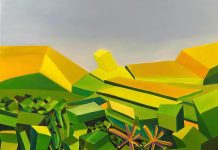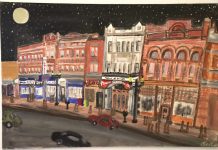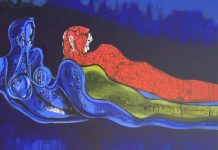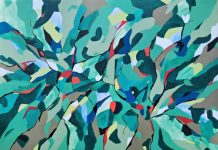

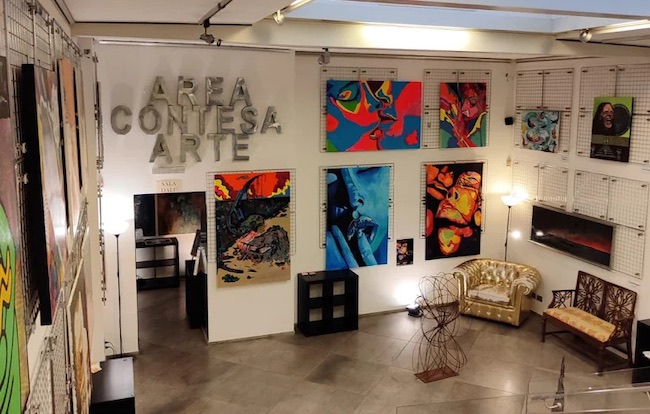
Inaugurerà venerdì 20 novembre, alle ore 18.00 la mostra collettiva internazionale Autumn Dream in Rome, presso la Galleria Internazionale Area Contesa Arte in via Margutta 90, realtà ormai attiva da moltissimi anni, dove esporranno 35 artisti provenienti da 11 paesi del mondo selezionati accuratamente dalla critica d’arte e curatrice Marta Lock. La mostra vedrà in esposizione diversi stili in perfetto dialogo armonico tra loro, tanto quanto soggettivi e personali sono le interpretazioni che ciascun autore dà alle caratteristiche espressive di appartenenza anche sulla base delle radici culturali da cui proviene. La mostra vedrà la presenza dei direttori della Casa d’Aste Archivio Storico che selezioneranno artisti da inserire nelle loro prossime vendite all’incanto sia in Italia che all’estero. Sponsor della manifestazione è la cantina vinicola La Madeleine che proporrà una degustazione dei suoi vini per accompagnare il piccolo rinfresco che seguirà la presentazione critica e l’apertura lavori.
Organizzare una mostra collettiva in una via emblematica come via Margutta include il dovere storico di ripercorrere i momenti salienti delle circostanze che l’hanno resa tanto iconica per l’arte di ogni tempo. Nell’epoca tra il Medioevo e il Rinascimento era una strada secondaria dove si trovavano sostanzialmente i retri dei palazzi signorili affacciati su via del Babuino e dunque ai suoi lati si trovavano stalle, magazzini, orti e dimore della servitù, e la leggenda narra che proprio in quel periodo un ignoto artista istituì la prima bottega dove eseguiva ritratti, fontane e ringhiere. Agli inizi del Sedicesimo secolo fu promossa da papa Paolo III una realizzazione volta a promuovere un’espansione urbanistica attraverso politica esenzioni fiscali ai nuovi proprietari delle case e di esenzione dalla tassa sui mestieri, attraendo così artisti e artigiani stranieri. Furono in particolar modo i pittori fiamminghi e olandesi a trasferirsi per ammirare e lasciarsi ispirare dalla bellezza di Roma, e poi nel corso dei secoli successivi risiedettero qui o nelle vicinanze grandi maestri come Peter Paul Rubens, Nicolas Poussin, Caspar van Wittel, e poco dopo Antonio Canova. Nell’Ottocento, grazie a monsignor Francesco Saverio de Mérode l’area fu definitivamente riqualificata e gli orti lasciarono spazio ad atelier, botteghe artigiane e studi d’arte. Il Novecento fu un nuovo secolo d’oro per via Margutta che divenne prima dimora di Pablo Picasso e Alcide Ticò e poi, dopo l’uscita del film Vacanze Romane in cui sono presenti alcune scene girate al civico 33 divenne il luogo dove abitare per molti protagonisti del cinema e dell’arte di quel periodo.
Qui vissero Federico Fellini e Giulietta Masina, Anna Magnani, personaggi che amavano conversare e confrontarsi con i numerosi artisti che scelsero di risiedere nella via più iconica di Roma, come Giorgio De Chirico, Novella Parigini, Renato Guttuso, Nicola Rubino, Alberto Burri, accrescendo pertanto il fascino e l’attrattiva che la strada esercitava su appassionati e collezionisti che sui suoi antichi ciottoli potevano incontrare gli autori più famosi e acclamati della metà del Novecento. Sulla scia di questo interesse per la via e per i suoi incredibili protagonisti nacque nello stesso periodo quella che è una manifestazione artistica, attiva tutt’oggi, e un forte catalizzatore per i collezionisti che andavano a scoprire talenti emergenti o autori già affermati per i quali esporre in strada significava avere un contatto diretto e immediato con un pubblico più ampio di quello che frequentava i singoli atelier, e soprattutto per mostrare le nuove opere fresche di realizzazione. Questa rassegna prende il nome di Cento Pittori di via Margutta trasformatasi negli anni successivi in associazione culturale che riesce, nell’era contemporanea, ad attrarre ancora una nuova generazione di collezionisti che mostra il medesimo piacere di andare a scoprire, e sostenere, i tanti artisti che due volte all’anno si riuniscono per confrontarsi con il pubblico.
Ma via Margutta è anche una strada dove nel corso degli anni sono sorte moltissime gallerie che hanno fatto crescere tanti protagonisti degli ultimi due secoli, infatti tra la fine dell’Ottocento e il secondo dopoguerra le botteghe di proprietà diretta degli artisti si sono evolute in vere e proprie gallerie espositive, diventando il salotto culturale della Capitale, o anche in interi complessi dedicati all’esposizione come gli Studi Rasinelli al civico 51/a, frequentati da Gino Severini e Cy Twombly, gli Studi Nardi al 48 che rappresentavano Giulio Turcato, e gli Studi Dovizielli al 33. Questi grandi stanzoni con ampie vetrate sul Pincio si trasformarono progressivamente da semplici laboratori in luoghi di compravendita e di incontro tra artisti e collezionisti.
Oggi molti spazi sono stati chiusi e si sono trasformati in residenze di lusso, boutique di artigianato o studi di design ma esistono ancora realtà espositive che permettono a via Margutta di essere ancora un riferimento per l’arte romana, e uno tra questi è la galleria internazionale Area Contesa ArteDesign dove ho scelto di organizzare la mostra d’autunno, Autumn Dream in Rome racchiudendo nel titolo il tema dell’autunno, la stagione che ospita l’esposizione, e quello del sogno che da sempre appartiene al magico mondo degli artisti e alla loro creatività. Non solo, dare l’opportunità ad autori provenienti da molte nazioni europee ed extraeuropee di essere conosciuti dal pubblico romano è per me una gioia e, in qualità di critica d’arte, una vera e propria missione.
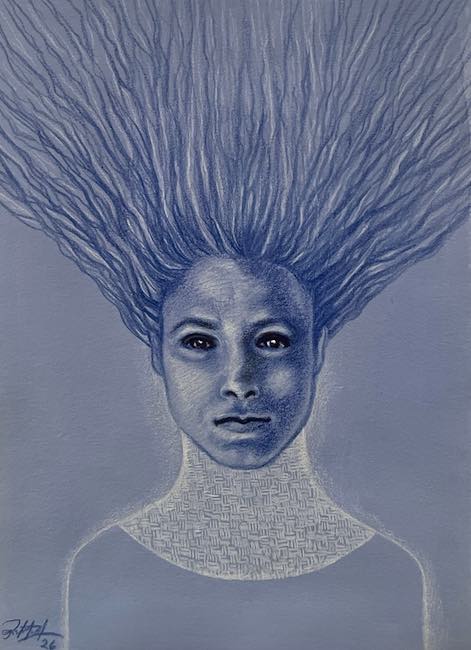
Grecia, Ungheria, Austria, Francia, Repubblica Ceca, USA, Messico, Croazia, Norvegia, Germania e Italia sono i paesi presenti alla mostra e rappresentati da stili diversi e divergenti ma uniti dalla spontanea capacità di dialogo che contraddistingue da sempre l’arte e la cultura.
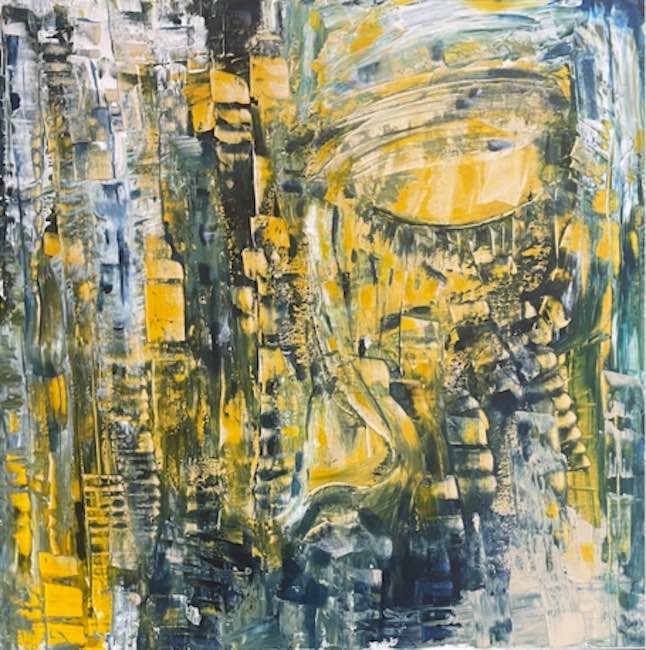
Per l’Espressionismo Astratto saranno presenti la greca Elena Netsayef, che proprio all’Accademia di Belle Arti di Roma ha studiato e iniziato il suo percorso creativo, l’austriaca Svetlana Peter, e la francese Annabelle Ferreira; per la Fluid Art con aspetto astratto l’ungherese Évicu Világa; per l’Astrattismo Geometrico saranno protagonisti lo scultore tedesco Hans Adam, l’italo-colombiana Xenia Miranda e l’italiana Antonella Padovani.
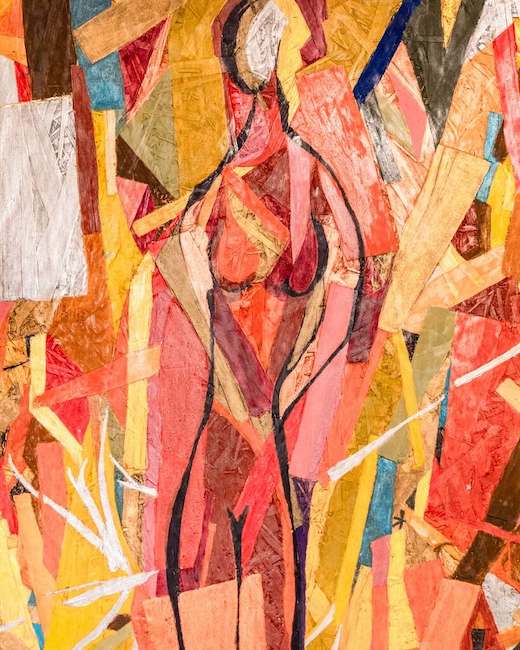
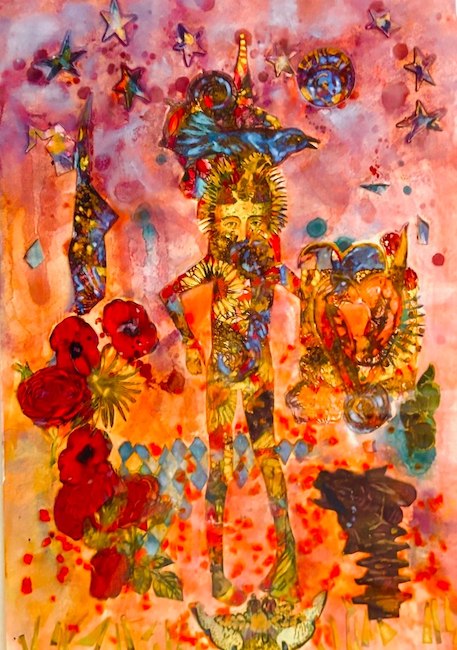
Per l’Espressionismo le ungheresi Aranka Székely, Mary Wind, Ágnes Zilahi-Sebess, l’austriaca Sabine Windischbauer, gli italiani Marina Mincuzzi, Lucien Levin, Giusy Brescianini e Salvatore Peritore, la statunitense Halena Cline che sconfina anche nel Simbolismo e nel Nouveau Réalisme, il messicano Rafael Torres Lugo. Il Realismo sarà rappresentato dallo stile classico dell’ungherese Eszter Gróf, dall’italo-francese Caline Travade, dalla francese Cécile Batillat, dall’italiana Annarita Guglielmi e dalla croata Marina Tomasević, famosissima cantante che dipinge con la tecnica del Vinorel, la pittura al vino rosso.
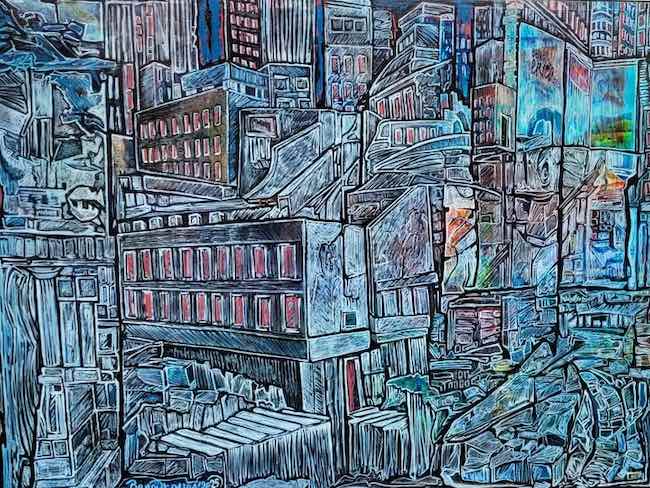
Il Surrealismo ha la sua rappresentanza nelle sculture lignee dell’italiano Battista Doneddu, il Naïf ha due eccellenti interpreti nella norvegese Vivi Connors e nell’italiana Arianna Lagorio, mentre Benoît Drouart è importante esponente dell’Art Singulier a cui fa da sponda l’italiana Letizia Cucciarelli con la sua Brut Art. Anche altri stili particolari e insoliti trovano il loro spazio ad Autumn Dream in Rome, come il Nouveau Réalisme dell’italiano Giancarlo Mariani, il Neo-Futurismo di Eleonora Rossi, anche lei italiana, l’Art Nouveau della ceca Eva Fousová, la fotografia off-camera nota come Lucigramma dell’italiana Sonia Rossi, la pittura su vetro interpretata dalla ceca Eva Edler, che ha effettuato una lunga esperienza di studio proprio qui in Italia, e infine l’Arte Digitale rappresentata da Francois Bianchi per quanto riguarda la fotografia, e dalla Pop Art di Enrico Tubertini per quanto riguarda la Digital Painting. Le grandi sale della galleria saranno dunque inondate dai colori, dagli stili e dalla magia dell’arte in grado di unire culture diverse e distanti sotto il denominatore comune della bellezza e dell’emozione.
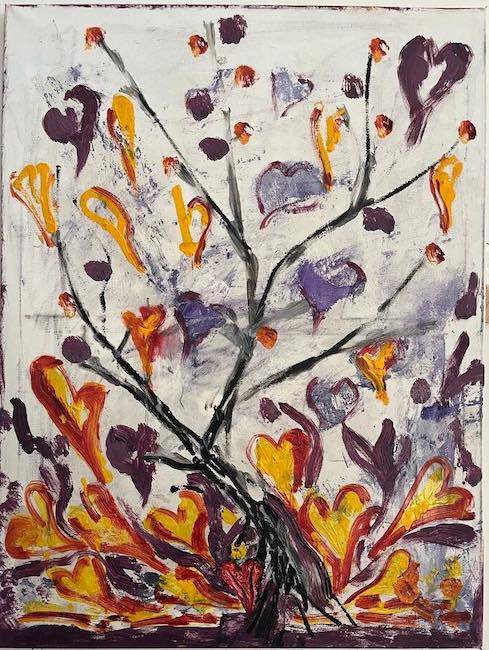
L’appuntamento è dunque per venerdì 20 novembre alle ore 18.00, per ascoltare l’introduzione agli artisti di Marta Lock, per scoprire quali autori saranno ammessi alle aste dell’Archivio Storico e per assaggiare i deliziosi vini de La Madeleine.
AUTUMN DREAM IN ROME
Galleria Internazionale Area Contesa Arte
Via Margutta 90
00187 Roma
Dal 20 novembre all’11 dicembre 2026
VERNISSAGE
Venerdì 20 novembre ore 18.00
ORARI
da martedì a giovedì dalle 11.30 alle13.30 e dalle 15.00 alle 18.00
venerdì dalle 10.30 alle 13.00 salvo eventi post inaugurazione
sabato dalle 16.30 alle 19.00
Chiusura domenica e lunedì
INGRESSO
Libero
Autumn Dream in Rome: Marta Lock chooses the iconic via Margutta for her fall 2026 exhibition
The international group exhibition Autumn Dream in Rome will open on Friday, November 20, at 6:00 p.m., at the Galleria Internazionale Area Contesa Arte on Via Margutta 90, a venue that has been active for many years, where 35 artists from 11 countries around the world, carefully selected by art critic and curator Marta Lock, will display their works. The exhibition will showcase diverse styles in perfect harmony with one another, reflecting the subjective and personal interpretations each artist brings to his distinctive expressive characteristics, shaped in part by the cultural roots. The exhibition will be attended by the directors of the Casa d’Aste Archivio Storico, who will select artists to include in their upcoming auctions both in Italy and abroad. The event is sponsored by the La Madeleine winery, which will offer a tasting of its wines to accompany the light refreshments following the critical presentation and the opening ceremony.
Organizing a group exhibition on an emblematic street like Via Margutta carries with it a historical duty to retrace the key moments in the circumstances that have made it so iconic for art throughout the ages. In the period between the Middle Ages and the Renaissance, it was a side street that essentially ran along the rear of the stately mansions facing Via del Babuino, consequently, its sides were lined with stables, warehouses, vegetable gardens, and servants’ quarters and the legend has it that during that very period, an unknown artist established the first workshop there, where he created portraits, fountains, and railings. In the early 16th century, Pope Paul III promoted an urban development initiative aimed at fostering urban expansion through tax exemptions for new homeowners and exemptions from the guild tax, thereby attracting foreign artists and artisans.
Flemish and Dutch painters, in particular, moved there to admire and draw inspiration from the beauty of Rome, and over the following centuries, great masters such as Peter Paul Rubens, Nicolas Poussin, Caspar van Wittel, and, shortly thereafter, Antonio Canova took up residence here or in the surrounding area. In the 19th century, thanks to Monsignor Francesco Saverio de Mérode, the area was definitively redeveloped, and the vegetable gardens gave way to art studios, artisan workshops, and art studios. The 20th century marked a new golden age for Via Margutta, which first became home to Pablo Picasso and Alcide Ticò and then, following the release of the film Vacanze Romane which features several scenes shot at number 33, became the place to live for many leading figures in cinema and the arts of that era. Here lived Federico Fellini and Giulietta Masina, as well as Anna Magnani, figures who loved to converse and exchange ideas with the many artists who chose to make their homes on Rome’s most iconic street, including Giorgio De Chirico, Novella Parigini, Renato Guttuso, Nicola Rubino, and Alberto Burri, thereby enhancing the charm and appeal the street held for art enthusiasts and collectors, who could encounter the most famous and acclaimed artists of the mid-20th century right there on its ancient cobblestones.
In the wake of this interest in the street and its incredible figures, during the same period was born, an continues to this days, an art event and a powerful magnet for collectors seeking out emerging talents or established artists for whom exhibiting on the street meant having direct and immediate contact with a wider audience than those who frequented individual studios, and above all, showcasing new works fresh off the canvas. This exhibition is called Cento Pittori di via Margutta (One Hundred Painters of Via Margutta), which in subsequent years evolved into a cultural association that, in the contemporary era, continues to attract a new generation of collectors who share the same joy of discovering and supporting the many artists who gather twice a year to engage with the public. But Via Margutta is also a street where, over the years, countless galleries have sprung up, nurturing many of the leading figures of the past two centuries, in fact between the late 19th century and the post-World War II era, the studios directly owned by the artists evolved into full-fledged exhibition galleries, becoming the cultural hub of the capital, or even into entire complexes dedicated to exhibitions, such as the Studi Rasinelli at 51/a, frequented by Gino Severini and Cy Twombly, the Studi Nardi at 48, which represented Giulio Turcato, and the Studi Dovizielli at 33. These large rooms with expansive windows overlooking the Pincio gradually transformed from simple studios into places for buying and selling art and for artists and collectors to meet.
Today, many of these spaces have closed and been converted into luxury residences, artisan boutiques, or design studios, but there are still exhibition venues that allow Via Margutta to remain a hub for Roman art, and one of these is the International Gallery Area Contesa ArteDesign, where I chose to organize the fall exhibition Autumn Dream in Rome, a title that encapsulates both the theme of autumn, the season in which the exhibition takes place, and that of dreams, which have always been part of the magical world of artists and their creativity. Not only that, but giving artists from many European and non-European countries the opportunity to be discovered by the Roman public is a joy for me and, as an art critic, a true mission. Greece, Hungary, Austria, France, the Czech Republic, the U.S., Mexico, Croatia, Norway, Germany, and Italy are the countries featured in the exhibition, represented by diverse and divergent styles yet united by the spontaneous capacity for dialogue that has always distinguished art and culture.
For Abstract Expressionism, the exhibition will feature the Greek artist Elena Netsayef, who studied at the Academy of Fine Arts in Rome and began her creative journey there, the Austrian artist Svetlana Peter, and the French artist Annabelle Ferreira; for Fluid Art with an abstract approach, the Hungarian artist Évicu Világa in art Adam Evicu; for Geometric Abstraction, the featured artists will be the German sculptor Hans Adam, the Italian-Colombian artist Xenia Miranda, and the Italian artist Antonella Padovani. For Expressionis the Hungarian artists Aranka Székely, Mary Wind, and Ágnes Zilahi-Sebess, the Austrian artist Sabine Windischbauer, the Italian artists Marina Mincuzzi, Lucien Levin, Giusy Brescianini, and Salvatore Peritore, the American Halena Cline, whose work also ventures into Symbolism and Nouveau Réalisme, and the Mexican Rafael Torres Lugo. Realism will be represented by the classical style of the Hungarian Eszter Gróf, the Italian-French Caline Travade, the French Cécile Batillat, the Italian Annarita Guglielmi, and the Croatian Marina Tomasević, a world-famous singer who paints using the Vinorel technique, painting with red wine.
Surrealism is represented by the wooden sculptures of the Italian Battista Doneddu; Naïve Art has two outstanding exponents in the Norwegian Vivi Connors and the Italian Arianna Lagorio, while Benoît Drouart is a leading exponent of Art Singulier, complemented by the Italian Letizia Cucciarelli with her Brut Art. Other distinctive and unusual styles also find their place at Autumn Dream in Rome, such as the Nouveau Réalisme of the Italian artist Giancarlo Mariani, the Neo-Futurism of Eleonora Rossi, also Italian, the Art Nouveau of the Czech Eva Fousová, the off-camera photography known as Lucigramma by the Italian Sonia Rossi, glass painting interpreted by the Czech Eva Edler, who has spent many years studying right here in Italy, and finally Digital Art, represented by François Bianchi in photography and by Enrico Tubertini’s Pop Art in digital painting. The gallery’s grand halls will thus be filled with the colors, styles, and magic of art, capable of uniting diverse and distant cultures under the common denominator of beauty and emotion.
The event is scheduled for Friday, November 20, at 6:00 p.m., when Marta Lock will introduce the artists, reveal which artists will be included in the Historic Archive auctions, and offer a tasting of the delicious wines from La Madeleine.