
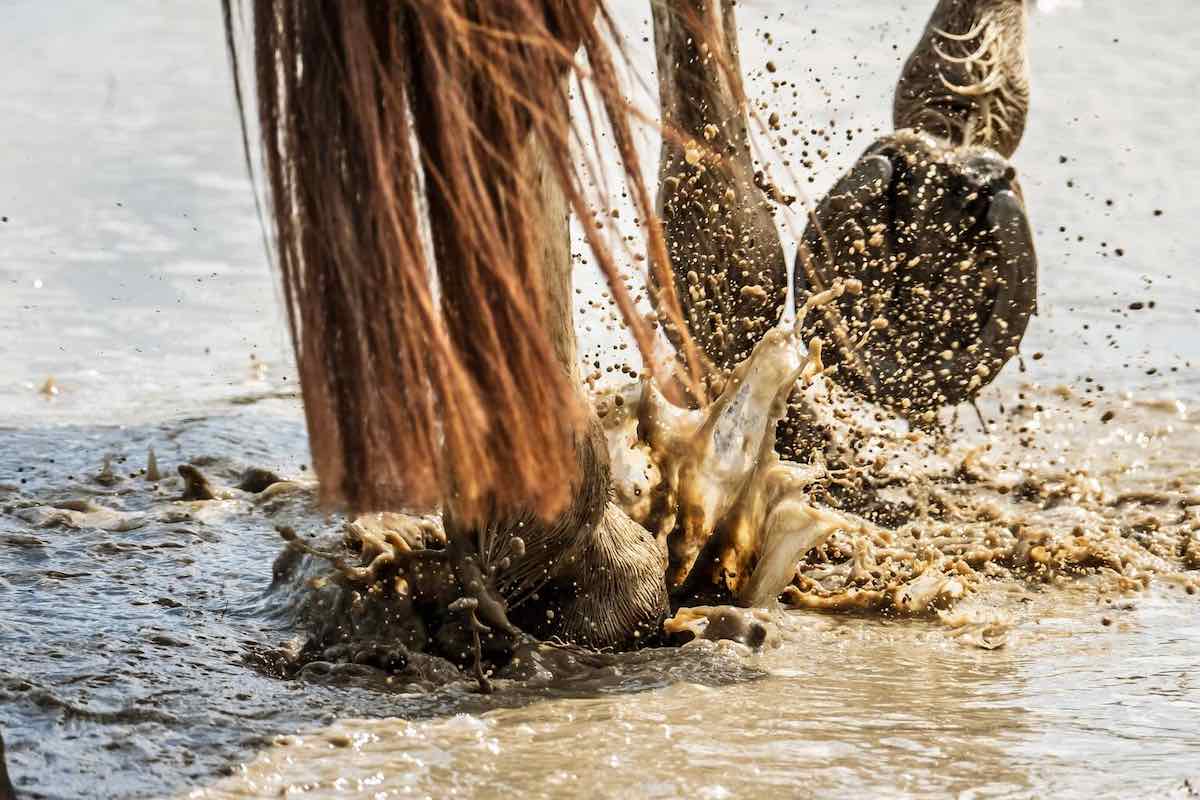
Laddove lo sguardo non riesce ad accontentarsi di avere una visione generale dell’osservato, entra in gioco per alcuni autori la necessità di addentrarsi nel particolare, nel dettaglio, in quel frammento che può essere colto e portato alla luce solo da una sensibilità particolare, solo dalla capacità di analizzare il punto focale da cui poi si propaga la sensazione in grado di avvolgere l’insieme che così si fissa sullo scrigno della memoria. La fotografia diviene in questo caso estensione dell’interiorità del singolo interprete, ne segue l’intensità ed è strumento attraverso cui la voce interiore riesce a farsi sentire dando una versione personale e intimista di ciò che l’occhio coglie pur essendo incapace di mettere a fuoco quanto invece con la lente emerge in maniera più intensa. Il protagonista di oggi utilizza la macchina fotografica come se fosse un pennello pittorico con cui tratteggiare quegli angoli segreti impossibili da notare se non attraverso la messa a fuoco che si collega con la sua sensibilità artistica.
La fotografia moderna ha cominciato a trovare una sua propria dimensione che l’ha messa al centro della scena artistica internazionale, intorno alla metà del Diciannovesimo secolo, quando smise di voler imitare i tratti pittorici e divenne uno strumento con una propria estetica e un proprio valore, soprattutto nel ritrarre tutto ciò che si trovava in strada, nella vita comune. I giornalisti dell’epoca si avvalevano proprio della macchina fotografica, che era ancora pesante e ingombrante da trasportare, per realizzare reportage di guerra ma anche di viaggio immortalando paesaggi e scenari naturali. L’osservazione della vita quotidiana, degli angoli delle città e dell’ordinarietà fu tipica della Straight Photography, o fotografia diretta, statunitense in virtù della quale i fotografi decisero di osservare e ritrarre la classe operaia, i cantieri, i palazzi delle metropoli, i cieli drammatici e fumosi con la nitidezza tipica di una tecnica che voleva trovare una propria personalità e definizione artistica. Con la velocità del progresso di quel periodo ben presto si giunse alla nascita della macchina fotografica compatta che permise ai fotografi di catturare scene contingenti eliminando il tempo di posa dei vecchi apparecchi e consentendo agli autori di immettere nelle immagini la poesia e l’emozione immediata che dall’osservazione fuoriusciva.
Grandi maestri come Henri Cartier-Bresson e André Kertész poterono permeare i loro soggetti di quel romanticismo struggente, nel caso del primo, o di quell’osservazione metafisica del vivere moderno, nel caso del secondo, divenendo di fatto tra i pionieri della fotografia moderna. A quel punto la tecnica fotografica non era più considerata come di second’ordine rispetto alla pittura e questo avvenne anche grazie all’attitudine sperimentatrice degli autori appartenenti al Dadaismo e soprattutto al Surrealismo, che ebbe in Man Ray uno dei principali esponenti. Con l’avvento del colore, dopo la metà degli anni Cinquanta del Novecento, il rischio poteva essere quello di perdere la drammaticità e il romanticismo delle immagini eppure, grazie alla capacità interpretativa dei grandi autori che lo utilizzarono plasmandolo alla loro esigenza espressiva, divenne invece un punto di forza attraverso cui trasformare letteralmente ogni scatto in una vera e propria opera d’arte. Steve McCurry ne ha fatto un utilizzo realista con cui ha contraddistinto i ritratti, gli scatti di strada, i reportage di guerra e le scene urbane;Alex Webb lo ha enfatizzato o sfumato, esaltando la vivacità delle tonalità, per mettere in evidenza scorci di vita comune oppure per avvolgere le sue fotografie di una riflessione metafisica; Harry Gruyaert ha plasmato le luci e le ombre per dare una propria visione dei tempi a lui contemporanei, delle abitudini, degli scorci di vita ordinaria trasformata in straordinaria proprio in virtù dell’interpretazione da lui data. E infine Martin Parr con la sua sagace osservazione della cultura di massa e del turismo rappresentato con un approccio quasi satirico. L’artista croato Siniša Strčić attinge alle esperienze dei grandi nomi del passato per creare un proprio linguaggio fotografico in cui utilizza il colore per raccontare la sua versione della realtà, quasi il suo fosse uno sguardo romantico e al contempo realista, quasi la narrazione dovesse correre sul filo tra Esistenzialismo e Metafisica grazie a cui riesce a esaltare quel particolare che ha bisogno di rendere protagonista di una delle sue opere fotografiche.
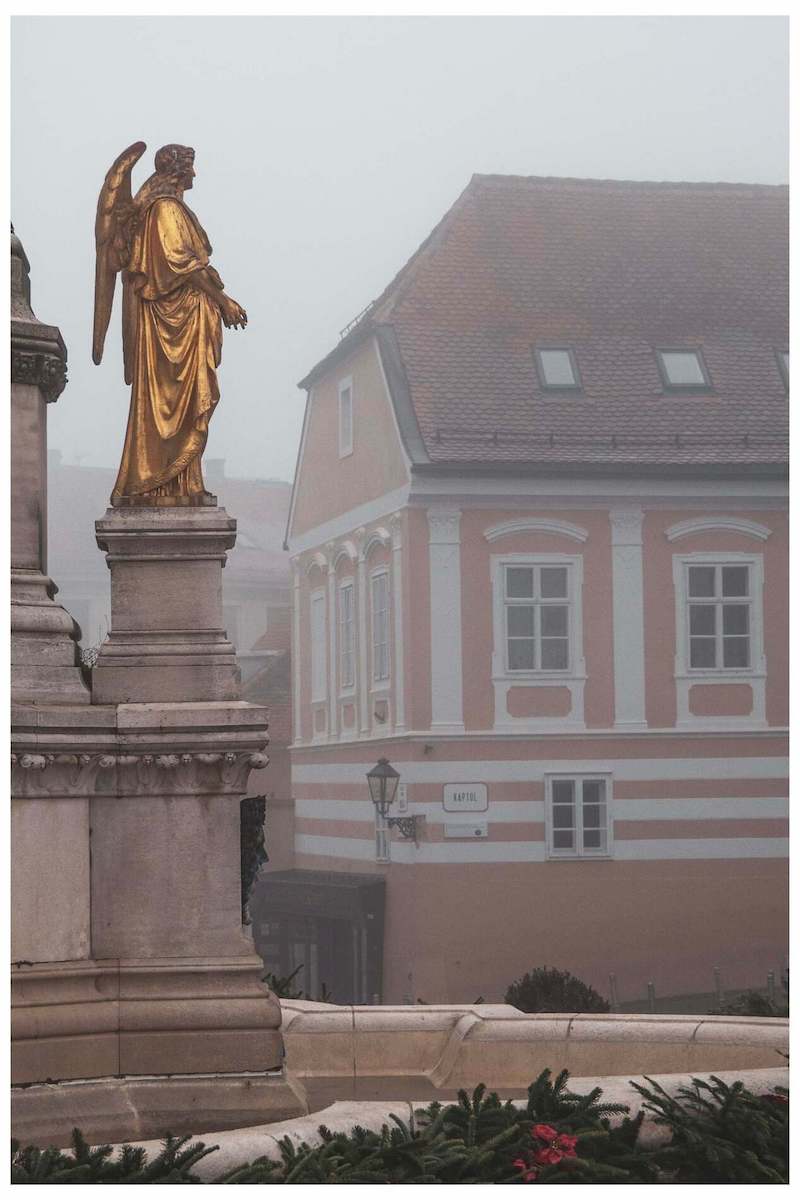
Le sue atmosfere sono più rarefatte quando l’evocazione tende verso un immaginario, verso la contemplazione del soggetto nella sua totalità perché è attraverso tutti gli elementi della composizione che Siniša Strčić riesce a diffondere la medesima sensazione provata quando la sua attenzione è stata catturata in virtù di quella particolare luce, di quell’elegia che lo ha indotto a puntare l’obiettivo verso l’incanto davanti a sé.
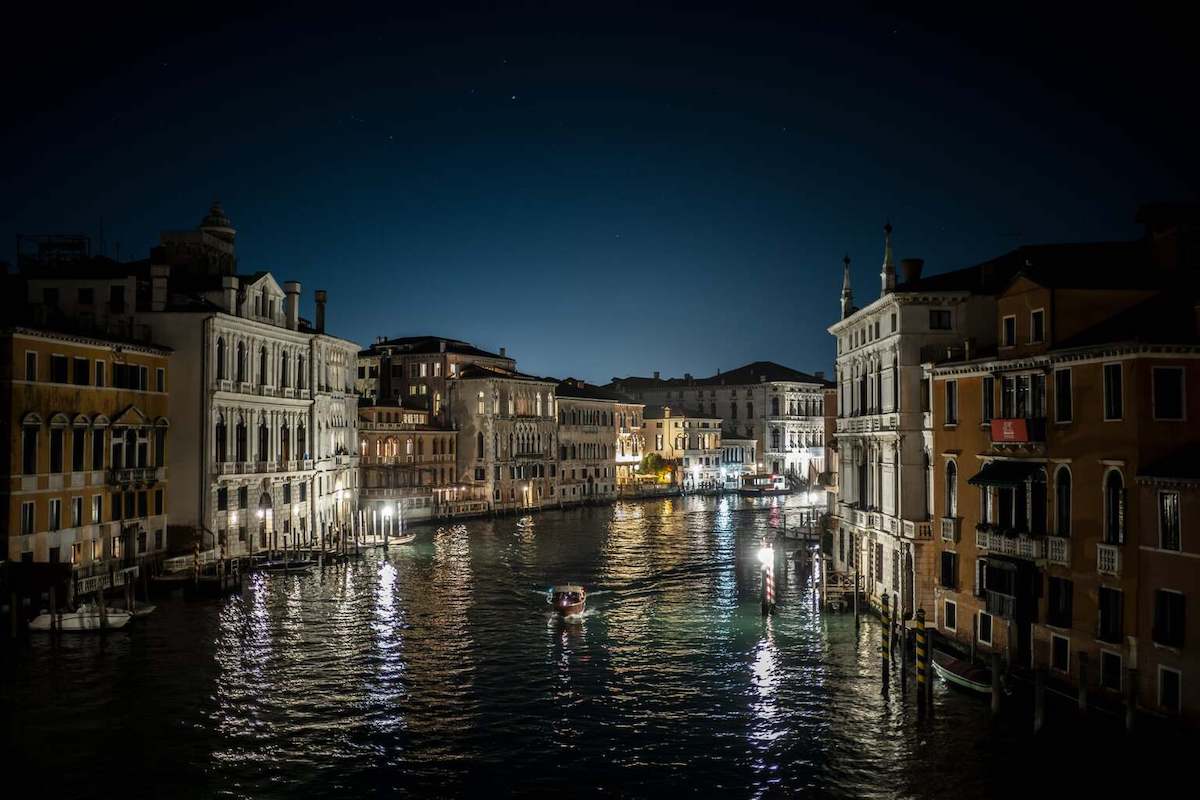
Quando invece desidera focalizzarsi sul concetto, evidenziandone ogni piccola sfaccettatura che ne compone il senso finale, allora sceglie la massima definizione che da un lato infonde plasticità e dall’altra riesce a fermare perfettamente l’istante, avvolgendo lo scatto di un silenzio e di una suggestione dove le luci e le ombre scolpiscono la realtà osservata. Non solo, in alcuni scorci l’autore sceglie di mettere in evidenza un solo dettaglio, perfettamente trascurabile dallo sguardo ordinario ma assolutamente rilevante invece nell’approccio introspettivo dove tutto può metafisicamente trasformarsi in altro, in un significato da ricercare, in un senso da trovare oppure in una poesia nascosta sotto la realtà che ha bisogno di trovare la sua giusta dimensione.
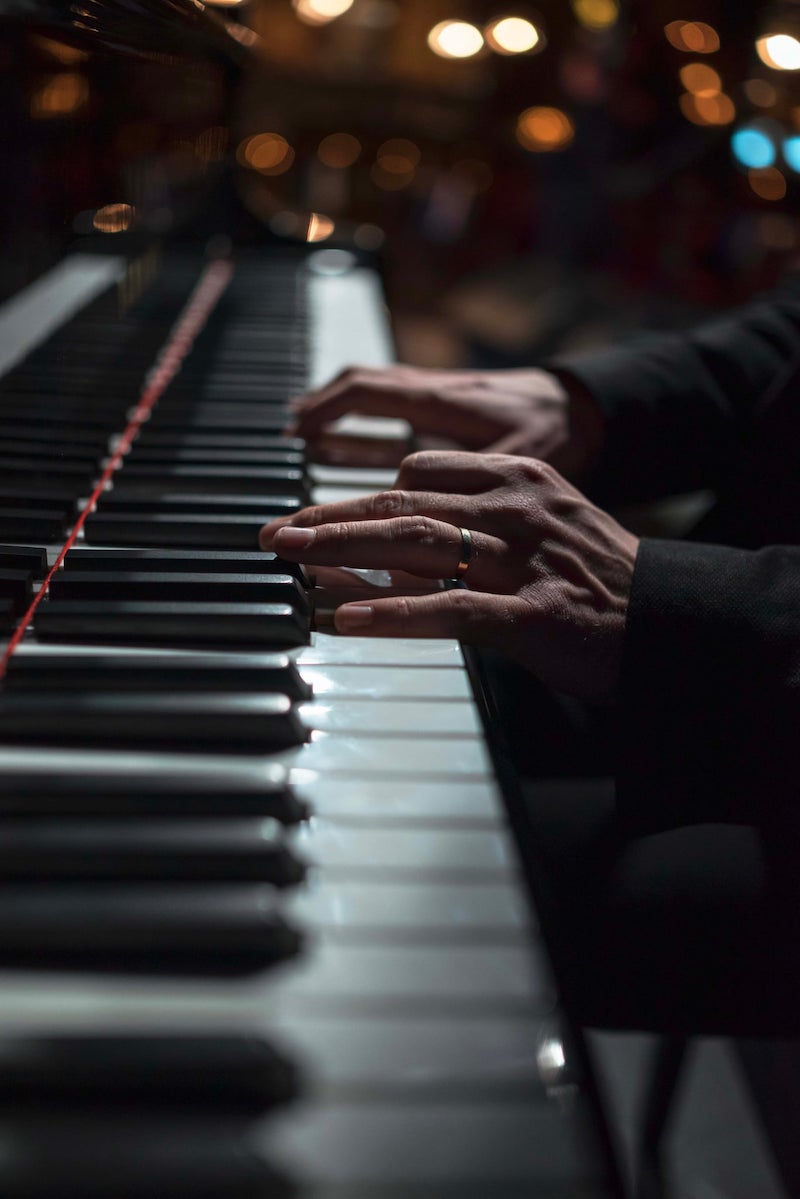
A quest’ultima serie fotografica, quella dei dettagli portati alla luce, appartiene l’immagine Ruke dove Siniša Strčić, rapito dall’ascolto di una melodia pianistica, si sofferma sulle dita che producono l’armonico suono come se per lui fosse importante solo quel movimento leggero e ritmato in grado di generare una magia che coinvolge chiunque abbia il privilegio di ascoltarla. Il fuoco fotografico è infatti tutto sulle dita, i tasti del pianoforte sono sfocati perché laddove lo strumento è essenziale, indispensabile è la mano che ne fa vibrare le note; il risultato è uno scatto da cui davvero sembra di poter sentire la musica, il fermo immagine riesce a trasportare l’osservatore nell’istante esatto in cui il concerto stava avendo luogo immergendolo nella stessa atmosfera vissuta dal fotografo.
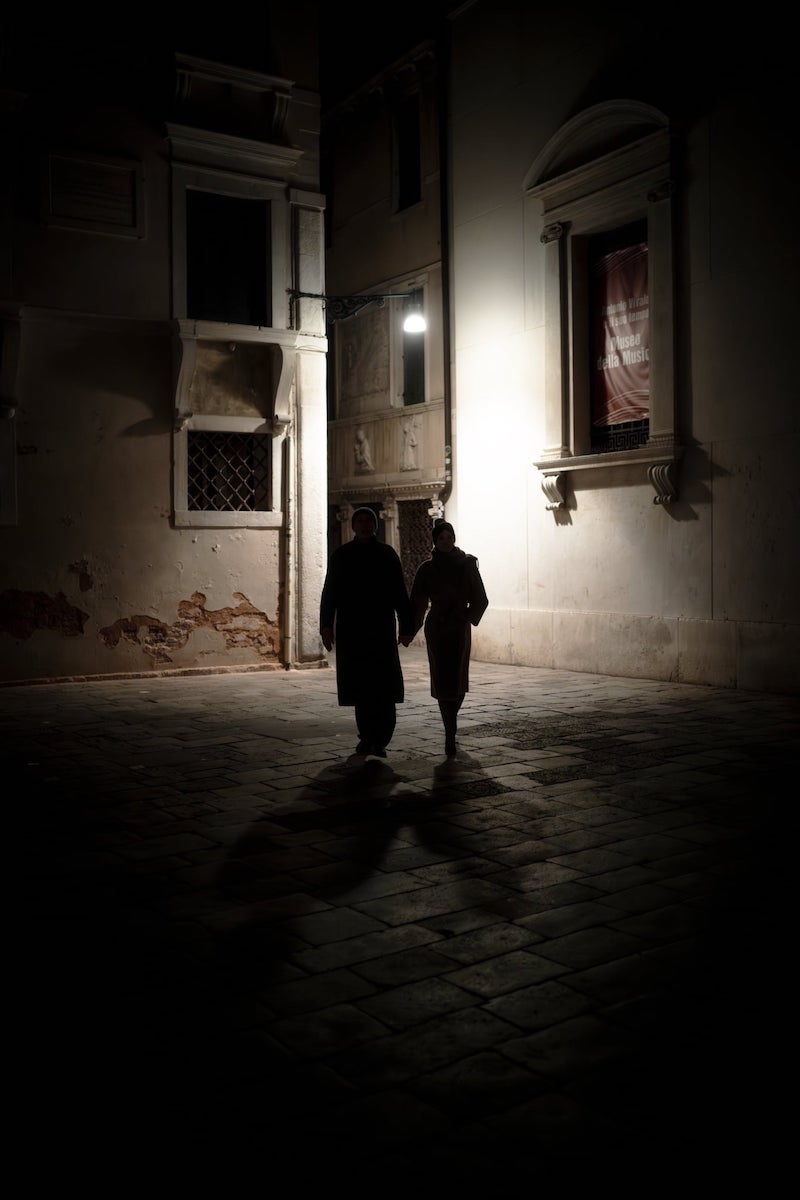
In Incognito l’attenzione si sposta invece verso un frangente catturato in strada, come da linea guida della Street Photography, e di cui Siniša Strčić coglie il romanticismo, la poesia che si sprigiona dalla coppia che passeggia di notte tenendosi per mano, quasi i due appartenessero a un’altra epoca in cui la purezza dei sentimenti era qualcosa di cui fare tesoro e mantenere viva per sempre. Lo scatto dell’autore attraversa dunque il tempo anche in virtù dell’attenuazione della luce che ricorda le antiche fotografie in color seppia, o in bianco e nero, e dove le luci e le ombre si avvicendano per mettere in risalto i dettagli fondamentali, come se l’autore avesse messo in posa ciò che invece si è verificato, ed è stato immortalato, in modo assolutamente spontaneo. Qui Siniša Strčić gioca con lo sguardo perché pur essendo la sua attenzione concentrata sulla coppia, d’altro canto non si può ignorare che la luminosità maggiore inquadra gli edifici lasciando i due personaggi in semi buio infondendo così alla composizione quell’alone enigmatico che ha di fatto dato il titolo allo scatto.
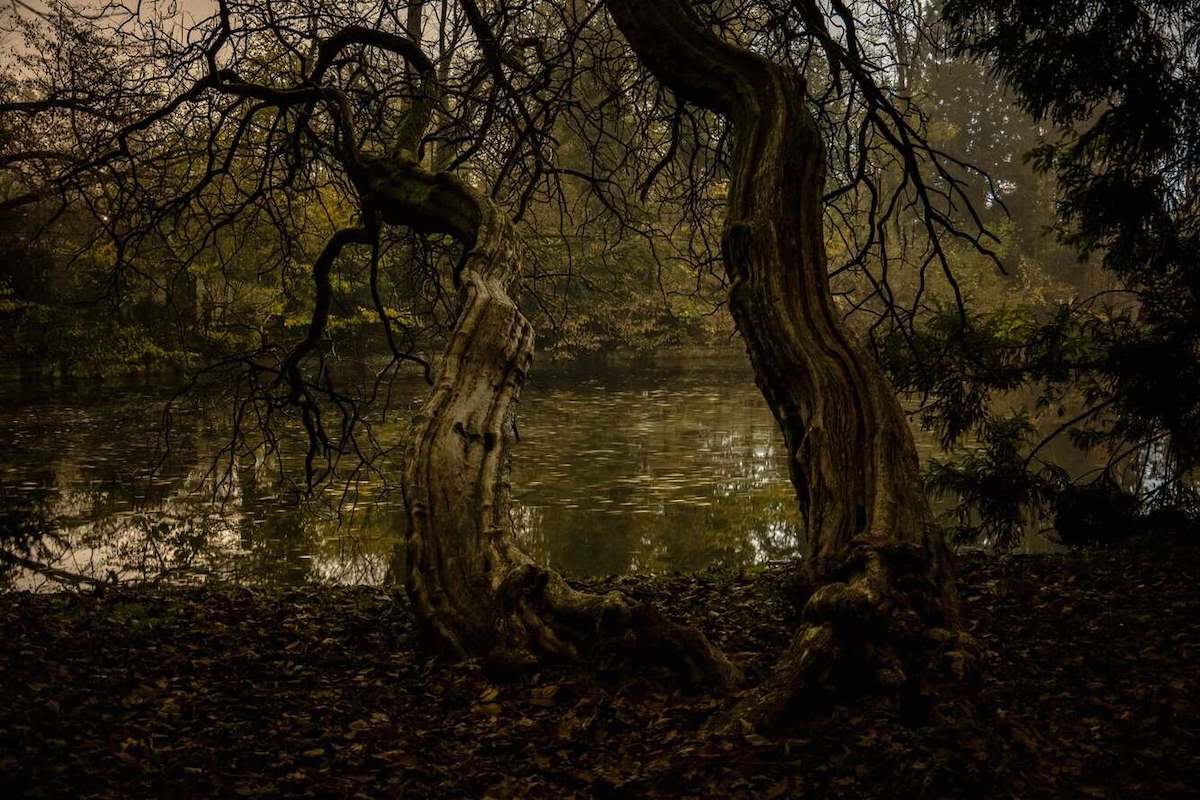
Silence appartiene alle fotografie più definite, più cariche di contrasti proprio perché qui è essenziale mettere in risalto il senso metafisico dell’immagine, l’impressione di immobilità che lo sguardo riceve e dentro cui non può fare a meno di immergersi; malgrado la stagione autunnale, sottolineata dalle numerose foglie che ricoprono il terreno sotto i due alberi in primo piano, non si percepisce vento o pioggia, la scena è letteralmente ferma, sospesa tra un prima e un dopo a cui le acque del piccolo laghetto fanno da collegamento, da ponte su cui il tempo si posa. La poeticità di quest’opera avvolge letteralmente lo sguardo inducendo a domandarsi quanto quei due tronchi contorti siano una metafora dell’essere umano che spesso deve attraversare complessità e avversità al punto da doversi piegare agli eventi, sapendo di dover essere resiliente e rimanere in piedi nonostante tutto, nella consapevolezza che tutto ha un senso e che forse gli eventi dovevano condurlo esattamente dove si trova in quel momento, accanto a qualcuno che, come lui, ha superato difficoltà e ha resistito ottenendo la forza in virtù della quale trovare sostegno reciproco.
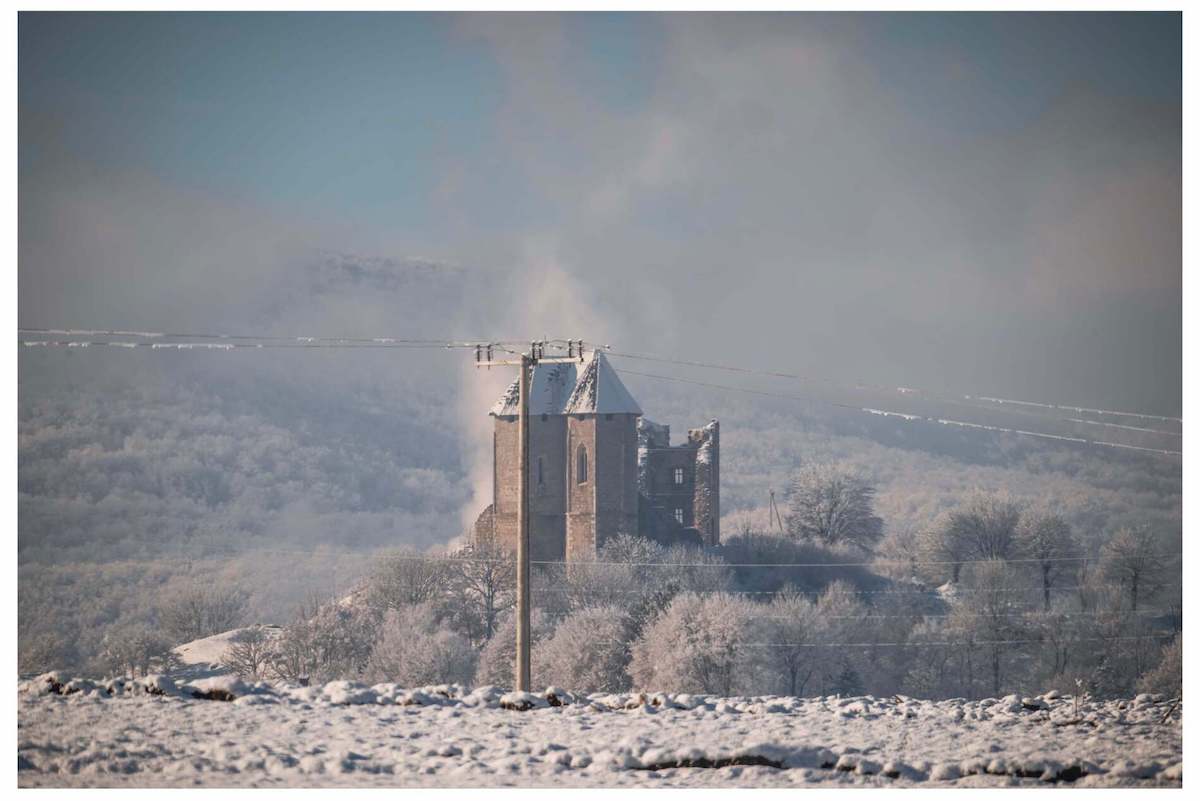
L’immagine Winter rientra negli scatti più sfumati, quelli in cui Siniša Strčić predilige mettere in luce la sofficità della sensazione ricevuta durante l’osservazione del paesaggio, quell’emozione impalpabile eppure fortemente presente grazie alla quale lo sguardo di è disteso, si è lasciato avvolgere dal tutto al punto di decidere di continuare a vagare, perdendosi e permettendo all’ambiente di cullare la sua immaginazione e la sua interiorità, come se focalizzarsi su un dettaglio gli avesse fatto perdere il contatto con la magia suscitata attraverso il suo sensibile sguardo.
Siniša Strčić, che usa la fotografia nel senso più puro e tradizionale del termine poiché non si avvale di supporti o esaltatori di luci, sta compiendo un percorso internazionale e ha recentemente partecipato a mostre collettive in Corea – Busan e Geoje -, in Italia – Venezia –, è stato in videoesposizione negli Stati Uniti – New York –, e ovviamente in Croazia.
SINIŠA STRČIĆ-CONTATTI
Email: sstrcic1@gmail.com
Facebook: www.facebook.com/sinisastrcic
Instagram: www.instagram.com/sinisastrcic/
Lyrical suggestion and emotional impression in the photographic glimpses of Siniša Strčić
When the gaze is not satisfied with a general view of what is being observed, some artists feel the need to delve into the details, into that fragment that can only be captured and brought to light by a particular sensitivity, by the ability to analyze the focal point from which the sensation then spreads, enveloping the whole and fixing it in the treasure chest of memory. In this case, photography becomes an extension of the inner world of the individual interpreter, following its intensity and serving as a tool through which the inner voice can be heard, offering a personal and intimate version of what the eye perceives, even though it is unable to focus on what emerges more intensely through the lens. Today’s protagonist uses the camera as if it were a painter’s brush with which to sketch those secret corners that are impossible to notice except through the focus that connects with his artistic sensibility.
Modern photography began to find its own dimension, placing it at the center of the international art scene around the mid-19th century, when it stopped trying to imitate the characteristics of painting and became a tool with its own aesthetics and value, especially in portraying everything that could be found on the street, in everyday life. Journalists of the time used cameras, which were still heavy and cumbersome to carry, to produce war reportages, but also travel reports immortalizing landscapes and natural scenery. The observation of everyday life, city corners, and ordinariness was typical of American Straight Photography, whereby photographers decided to observe and portray the working class, construction sites, metropolitan buildings, and dramatic, smoky skies with the sharpness typical of a technique that sought to find its own personality and artistic definition. With the speed of progress at that time was soon born the compact camera, allowing photographers to capture contingent scenes by eliminating the exposure time of old cameras and enabling authors to inject the poetry and immediate emotion that flowed from observation into their images.
Great masters such as Henri Cartier-Bresson and André Kertész were able to imbue their subjects with poignant romanticism, in the case of the former, or metaphysical observation of modern life, in the case of the latter, becoming pioneers of modern photography. At that point, photographic technique was no longer considered second-rate compared to painting, thanks in part to the experimental attitude of artists belonging to Dadaism and, above all, Surrealism, which had Man Ray as one of its leading exponents. With the advent of color in the mid-1950s, there was a risk of losing the drama and romanticism of images, however, thanks to the interpretative skills of the great artists who used it to suit their expressive needs, it became a strength through which every shot could be literally transformed into a true work of art. Steve McCurry used it realistically to distinguish his portraits, street shots, war reportage, and urban scenes; Alex Webb emphasized or softened it, enhancing the vibrancy of the tones to highlight glimpses of everyday life or to envelop his photographs in a metaphysical reflection; Harry Gruyaert shaped light and shadow to give his own vision of contemporary times, customs, and glimpses of ordinary life transformed into something extraordinary by virtue of his interpretation.
And finally, Martin Parr with his astute observation of mass culture and tourism represented with an almost satirical approach. Croatian artist Siniša Strčić draws on the experiences of the great names of the past to create his own photographic language in which he uses color to tell his version of reality, as if his gaze were both romantic and realistic, as if the narrative were to run along the line between Existentialism and Metaphysics, thanks to which he manages to highlight the detail that needs to be the protagonist of one of his photographic works. His atmospheres are more rarefied when the evocation tends towards the imaginary, towards the contemplation of the subject in its entirety, because it is through all the elements of the composition that Siniša Strčić manages to convey the same feeling he experienced when his attention was captured by that particular light, that elegy that led him to point his lens towards the enchantment before him. When, on the other hand, he wishes to focus on the concept, highlighting every small facet that makes up its final meaning, he chooses the maximum definition that, on the one hand, infuses plasticity and, on the other, manages to perfectly capture the moment, enveloping the shot in silence and suggestion, where light and shadow sculpt the observed reality. Not only that, in some shots the author chooses to highlight a single detail, perfectly negligible to the ordinary gaze but absolutely relevant in the introspective approach where everything can metaphysically transform into something else, into a meaning to be sought, a sense to be found, or a poem hidden beneath reality that needs to find its right dimension.
The image Ruke belongs to this latest photographic series, the one of details brought to light, where Siniša Strčić, enraptured by listening to a piano melody, focuses on the fingers that produce the harmonious sound, as if only that light, rhythmic movement were important to him, capable of generating a magic that involves anyone who has the privilege to listen to it. The photographic focus is entirely on the fingers, the piano keys are blurred because, while the instrument is essential, it is the hand which makes the notes vibrate that is indispensable; the result is a shot from which it seem to really hear the music, the still image manages to transport the observer to the exact moment when the concert was taking place, immersing him in the same atmosphere experienced by the photographer.
In Incognito, the attention shifts to a moment captured on the street, as in the guidelines of Street Photography, and Siniša Strčić catches the romance and poetry emanating from the couple walking hand in hand at night, as if they belonged to another era in which the purity of feelings was something to be treasured and kept alive forever. The author’s shot therefore transcends time, thanks in part to the softening of the light, reminiscent of old sepia or black-and-white photographs, where light and shadow alternate to highlight key details, as if the author had staged what actually happened and was immortalized in a completely spontaneous way. Here, Siniša Strčić plays with the viewer’s gaze because, although his attention is focused on the couple, it cannot be ignored that the greater brightness frames the buildings, leaving the two characters in semi-darkness, thus infusing the composition with that enigmatic aura that actually gave the shot its title. Silence is one of the most defined photographs, full of contrasts, precisely because here it is essential to highlight the metaphysical sense of the image, the impression of immobility that the gaze receives and into which it cannot help but immerse; despite the autumn season, emphasized by the numerous leaves covering the soil under the two trees in the foreground, there is no perception of wind or rain; the scene is literally still, suspended between a before and an after, connected by the waters of the small pond, a bridge over which time rests.
The poetic nature of this work literally envelops the gaze, prompting to wonder whether those two twisted trunks are a metaphor for human beings, who often have to go through complexities and adversities to the point of having to bend to events, knowing that they must be resilient and remain standing despite everything, in the knowledge that everything has a meaning and that perhaps events were meant to lead them exactly where they are at that moment, alongside someone who, like him, has overcome difficulties and persevered, gaining strength from which to find mutual support. The image Winter is one of the more nuanced shots, in which Siniša Strčić prefers to highlight the softness of the sensation received while observing the landscape, that intangible yet strongly present emotion thanks to which his gaze is relaxed, allowing himself to be enveloped by everything to the point of deciding to continue wandering, losing himself and allowing the environment to cradle his imagination and his inner self, as if focusing on a detail had made him lose touch with the magic aroused by his sensitive gaze. Siniša Strčić, who uses photography in the purest and most traditional sense of the term, as he does not use supports or light enhancers, is pursuing an international career and has recently participated in group exhibitions in Korea (Busan and Geoje), Italy (Venice), has been featured in video exhibitions in the United States (New York) and, of course, Croatia.