

A volte alcune espressioni artistiche possono incontrarsi in quel punto di unione rappresentato dal dialogo interdisciplinare che altro non è che la capacità magica di connettersi mostrando quanto l’essere umano sia indissolubilmente legato alla bellezza, all’armonia e a tutta la piacevolezza che la vita può offrire. Il passato della storia dell’arte, in particolar modo quella più recente, ha dato prova di quanto i differenti ambiti possano dialogare tra loro subentrando ciascuno nella sfera d’azione dell’altro e quanto unendosi abbiano creato qualcosa in grado di meravigliare e di conquistare il pubblico. Questa connessione si è sviluppata attraverso stili differenti ma tutti in grado di lasciare un segno incisivo proprio in virtù della possibilità di raggiungere fruitori diversi che diversamente avrebbero potuto non avvicinarsi al tipo di arte che non erano abituati a seguire. Nella serie pittorica presentata oggi, Jutta Wenth sceglie di celebrare la fusione incantata tra musica e pittura, dedicando un omaggio ai più grandi interpreti della musica del secolo scorso.
Quando Andy Warhol, considerato il genio e fondatore della Pop Art, trovò il modo di conquistare un pubblico più ampio rendendo protagonisti delle sue opere tutti quei divi acclamati e considerati come modelli da seguire, ampliò di fatto le intuizioni di altri autori del passato sull’unione tra varie arti e riuscì a sintetizzare i gusti della nuova classe borghese emergente trovando il modo di fare entrare la pittura, anch’essa stravolta nel senso originario di opera unica a causa dell’utilizzo della serigrafia, nelle loro case attraverso un linguaggio più affine a quello verso cui stava andando la società. Eppure Warhol non fu il primo a cercare di mettere in dialogo le differenti espressioni artistiche, prima di lui vi fu Vassily Kandinsky che dipingeva ascoltando la musica di Richard Wagner e di Arnold Schönberg lasciandosi trasportare dall’armonia delle loro note a cui attribuiva uno specifico colore; prima ancora Henri de Toulouse-Lautrec aveva raccontato le ballerine del Moulin Rouge, da lui assiduamente frequentato, rendendole protagoniste iconiche come nel caso della celebre cantante Yvette Guilbert; e prima di lui nello stile dell’Impressionismo, Edgar Degas iniziò la narrazione della bellezza perfetta delle ballerine di danza classica.
Tornando alla Pop Art di Andy Warhol, che ebbe l’incredibile capacità di raccogliere l’eredità dei suoi predecessori trasformandola nel fulcro del suo successo artistico, dedicò molti ritratti alle stelle del cinema come Marylin Monroe, Elisabeth Taylor, Ingrid Bergman, ma anche a tantissimi musicisti che stavano scrivendo la storia della musica come Prince, Mick Jagger, Jim Morrison, Michael Jackson, i Beatles e John Lennon aprendo la strada alla collaborazione tra questi due tipi di arte, musica e pittura, che proseguì con le copertine dei Pink Floyd realizzate dal grafico Storm Thorgeson, fortemente ispirato dal Surrealismo Metafisico di René Magritte. Per non parlare poi di tutti quegli autori, esponenti dell’Espressionismo, più figurativo o astratto, e della Street Art che dedicarono molte opere alla musica jazz, come Henri Matisse le cui figure del secondo periodo pittorico danzavano letteralmente sulla superficie della tela, come Piet Mondrian che ha reso omaggio a questo genere musicale dedicandogli diverse opere dopo aver soggiornato negli Stati Uniti, e Jean-Michel Basquiat che si ispirò a leggende del jazz come Charlie Parker e Miles Davis in molti dei suoi dipinti utilizzandone la frammentazione ritmica. Ballo, musica, cinema, pittura, sono stati da sempre trainanti nel tempo libero delle persone, al punto che esse tendono a collegare alcuni momenti importanti della loro esistenza proprio a canzoni, film o a istanti indimenticabili vissuti grazie ai protagonisti di queste espressioni creative.
È proprio questo l’intento che ha spinto l’artista austriaca Jutta Wenth a dedicare, nel corso degli anni, ritratti ai principali idoli della musica del Ventesimo secolo, come se rendergli omaggio significasse per lei contribuire a renderli immortali attraverso un tipo di arte, la pittura, diverso da quello con cui si sono sempre espressi. Ispirata dalla lista del 2011 redatta dalla rivista Rolling Stone sui 100 più grandi musicisti di tutti i tempi, Jutta Wenth sceglie di raccontarli attraverso il suo punto di vista creativo, essenzializzando a volte la loro figura, altre invece immergendoli nella magia cromatica delle note musicali che sono appartenute al loro repertorio immortale.
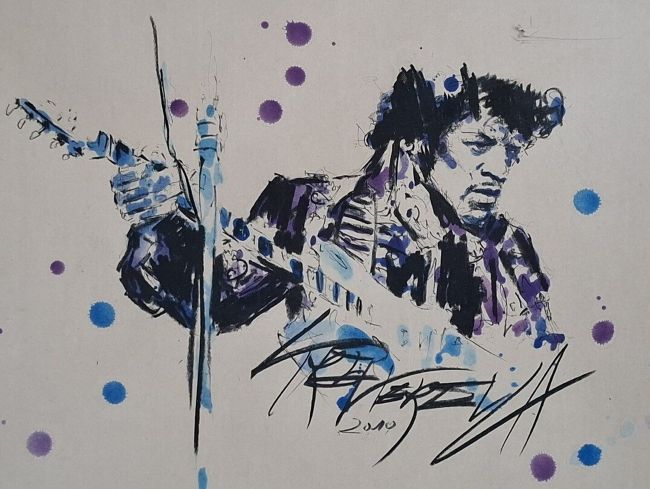
La capacità narrativa dell’autrice parte da un principio realista eseguito con pastelli o carboncino, attraverso il quale cattura le pose più tipiche dei miti che sceglie di immortalare, esaltandone ogni dettaglio, ogni singolo particolare che induce, grazie alla scelta del bianco e nero, l’osservatore a soffermarsi su caratteristiche che non noterebbe in presenza del colore; in altri ritratti invece, quelli che cominciano a virare più verso l’emozionalità dell’Espressionismo, seppur ancora quasi completamente in scala di grigi, li estrapola dal contesto introducendo elementi simbolici sia di ciò che ha contraddistinto la loro carriera, e sia di quelle sensazioni che attraverso la loro musica hanno sempre saputo far vibrare nel pubblico.

E infine le opere più marcatamente espressioniste introducono il colore, quel palpitare di tonalità riconducibili alle note ma anche al coinvolgimento del pubblico di appassionati che sempre li ha seguiti e continua a farlo nonostante molti di loro non siano più in vita. Ciò che colpisce in maniera particolare è la capacità di Jutta Wenth di mettere in luce la personalità di ciascuna delle icone raffigurate nelle sue opere, così come l’aura quasi magica che intorno a loro si diffonde; ma questa serie di lavori rappresenta indirettamente anche uno sguardo sulla capacità evolutiva dell’autrice che nel corso dei decenni ha saputo modificare il suo stile adattandolo all’impulso espressivo che sentiva emergere dentro di sé.
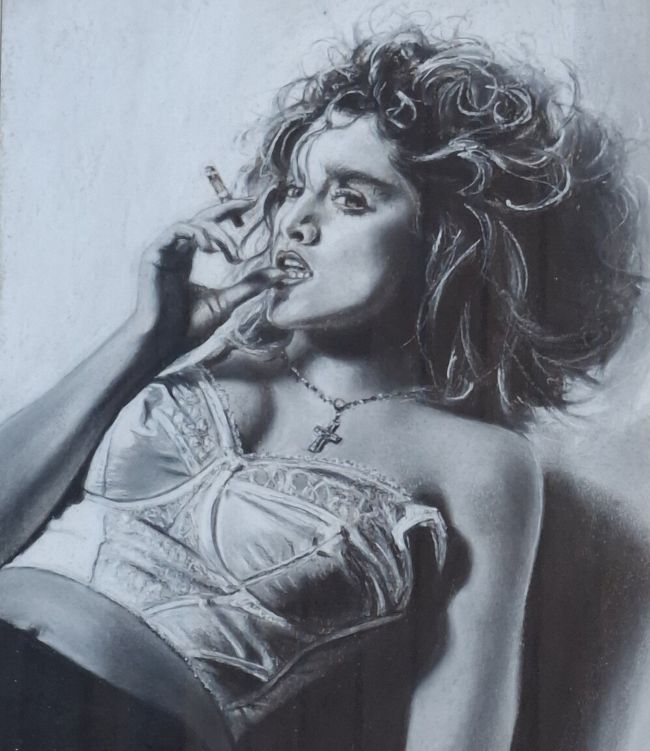
Ecco il motivo per cui l’opera Madonna, Queen of Pop presenta un tratto più realista, appartiene a un periodo pittorico lontano nel tempo, quando la priorità per Jutta Wenth sembrava essere quella di raccontare il visibile con la stessa precisione che lo sguardo coglieva soffermandosi sulla realtà; eppure nonostante questa predisposizione, ha preferito eseguire il lavoro con la tecnica del pastello e rinunciando al colore, perché già emergeva in lei il seme della sostanza che doveva essere prioritaria rispetto all’apparenza. Nell’opera viene infatti messa in risalto tutta la grinta e la determinazione dell’icona degli anni Ottanta in virtù delle quali è potuta rimanere per molti decenni la regina indiscussa della musica.
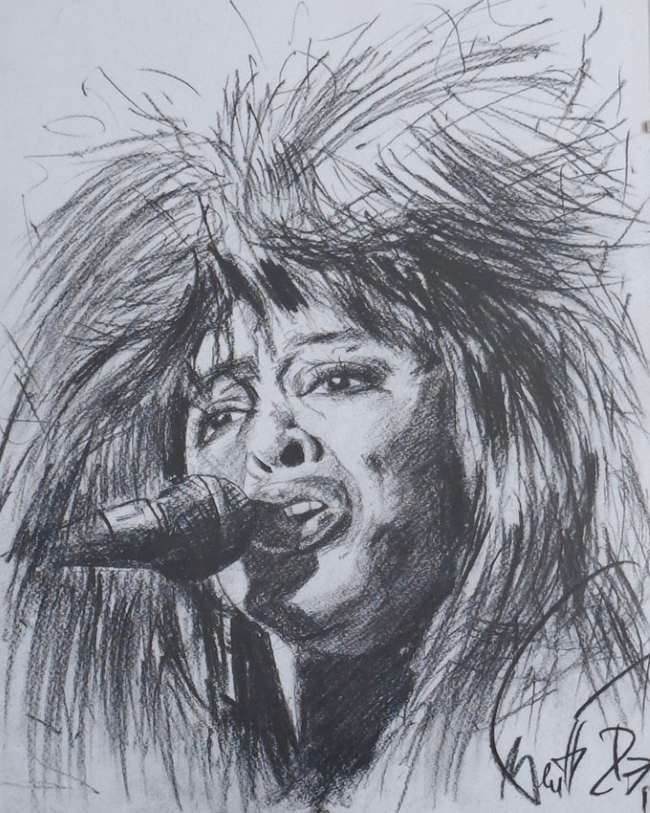
Tina Turner, Queen of Rock and Roll appartiene a una fase leggermente successiva poiché in questo ritratto Jutta Wenth abbandona la ricerca della perfezione narrativa per prediligere delle linee più frastagliate, imprecise e indefinite proprio per sottolineare l’essenza più intima di una grande interprete che ha saputo rialzarsi e reinventarsi dopo l’uscita da una situazione personale che aveva cercato di piegarla; lei non solo se ne è liberata, ma è stata capace di diventare un’icona del Rock, genere musicale perfetto per mostrare la forza interiore e l’energia che l’hanno sempre contraddistinta.
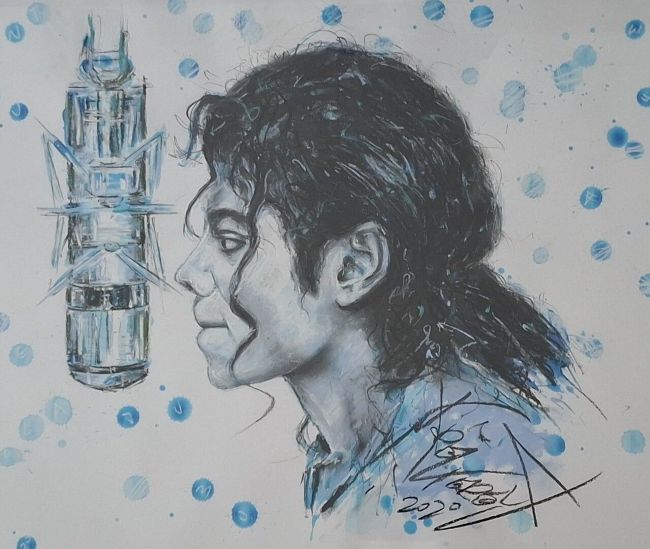
Michael Jackson, King of Pop rivela un’ulteriore evoluzione stilistica dell’autrice che la induce ad ampliare la gamma cromatica introducendo il celeste di piccole sfere intorno al volto della leggenda della musica e al microfono con cui ha diffuso, inciso e registrato la sua magnifica voce lasciandola in eredità alle generazioni successive. Ma Michael Jackson è stato anche un sognatore, un folletto magico che parlava di verità nascoste, di senso di protezione verso i più deboli e fragili, e dunque quelle sfere possono essere associabili alle piccole pillole di realtà che attraverso i testi delle sue canzoni cercava di diffondere. L’associazione tra scala di grigi del pastello e del carboncino, e il celeste sfumato dell’acquerello diffondo la sensazione di incanto che si prova ogni qualvolta vengono diffuse le note di uno dei suoi planetari successi. Nelle opere più recenti invece, Jutta Wenth introduce il colore, vivace, solare, accostato in maniera eccentrica e contrastante per armonizzarsi al temperamento dei nuovi protagonisti dei suoi ritratti dedicati alla musica; qui la decontestualizzazione è cromatica, a prevalere sembra essere un Color Field rientrante nelle tecniche dell’Espressionismo Astratto perché è attraverso le tonalità scelte che l’autrice racconta la passione e la caratura personale dei cantanti.

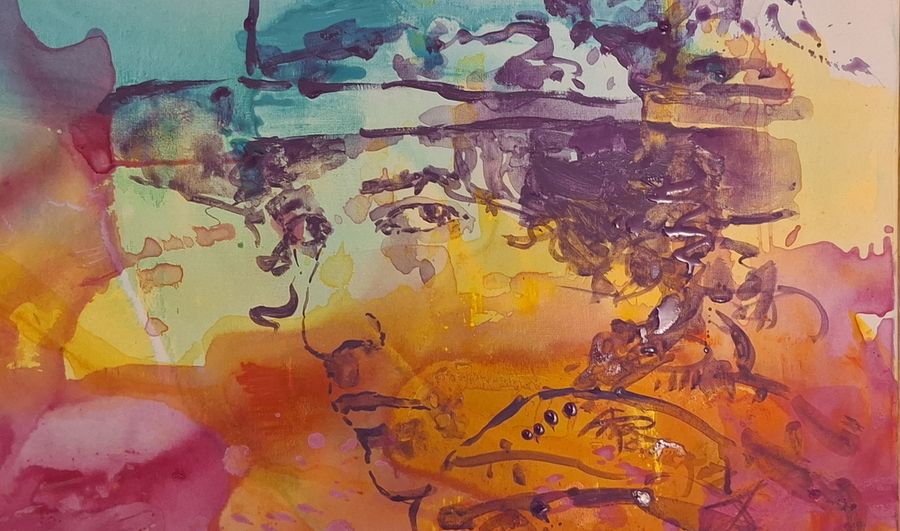
In Mick Jagger, Rock rebel and icon dunque, i colori predominano, invadono la tela, si sovrappongono in maniera eccessiva, esattamente come eccessiva è stata la vita di un uomo sopra gli schemi, eccentrico come tutte le stelle del Rock and Roll sanno essere, eppure, nonostante tutti gli abusi a cui ha sottoposto il suo corpo e la sua mente, ha saputo sempre mantenersi sul limite senza mai dimenticare l’importanza del ruolo comunicativo che insieme al suo gruppo, i Rolling Stones, ha avuto per moltissimi decenni. Il volto di Jagger è in questo caso raccontato pittoricamente, abbandonando dunque il tratto a carboncino che aveva contraddistinto le opere fin qui descritte, per rappresentare in maniera forte e incisiva la sua personalità prorompente. In questa opera è introdotto anche un elemento materico, una forbice che enfatizza quanto tagliente e incisiva sia stata non solo la sua voce ma anche la sua figura professionale.
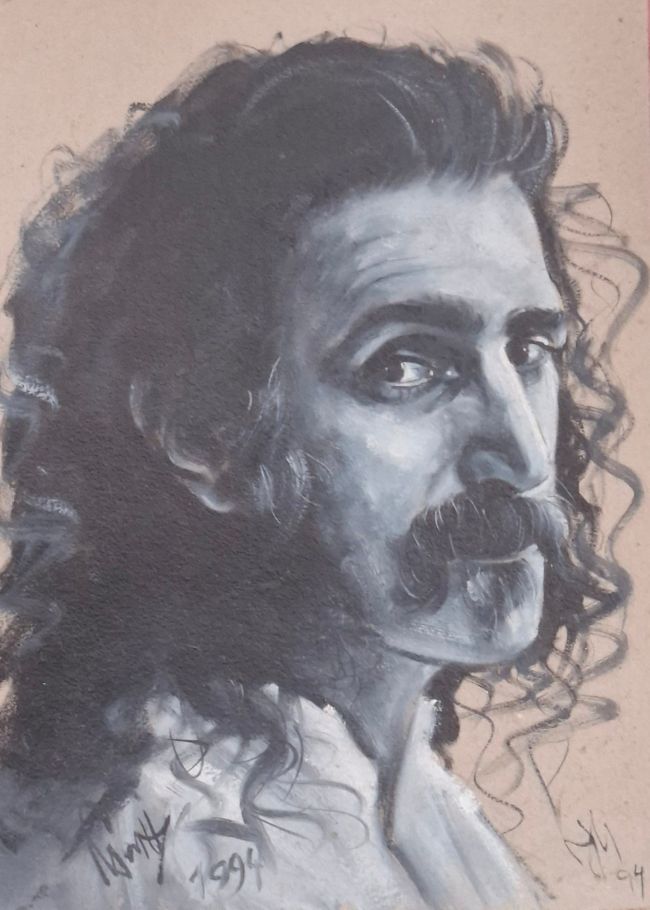
Jutta Wenth ha al suo attivo la partecipazione a molte mostre collettive in Austria e all’estero – Germania, UK, Ibiza – e numerose mostre personali in Austria; le sue opere sono state pubblicate in importanti annuari internazionali, ha avuto opere commissionate ed esposte presso pubbliche istituzioni ed è membro dell’Associazione Culturale NÖ.
Email: jutta.wenth.art@gmail.com
Sito web: www.juttawenth.at/
Linkedin: www.linkedin.com/in/jutta-wenth-a34846b7/
A tribute to musical icons of all time in Jutta Wenth’s Expressionism
Sometimes, various forms of artistic expression can converge at that point of union represented by interdisciplinary dialogue which is nothing less than the magical ability to connect, revealing just how inextricably linked human beings are to beauty, harmony, and all the pleasures life has to offer. The history of art, particularly in recent times, has demonstrated how different fields can engage in dialogue with one another, each entering the other’s sphere of influence, and how, by uniting, they have created something capable of astonishing and captivating the public.
This connection has developed through different styles, all of which are capable of leaving a lasting mark precisely because they reach diverse audiences who might otherwise not have engaged with the kind of art they were not accustomed to following. In the series of paintings presented today, Jutta Wenth chooses to celebrate the enchanted fusion between music and painting, paying homage to the greatest musical performers of the last century.
When Andy Warhol, considered the genius and founder of Pop Art, found a way to reach a wider audience by making all those celebrated stars who were seen as role models the protagonists of his artworks, he effectively expanded upon the insights of other artists of the past over the union of various arts and succeeded in synthesizing the tastes of the emerging new bourgeois class by finding a way to bring painting, itself transformed from its original concept of a unique work due to the use of silkscreen printing, into their homes through a language more in tune with the direction society was heading.
Yet Warhol was not the first to attempt to create a dialogue between different artistic expressions, before him there was Wassily Kandinsky who painted while listening to the music of Richard Wagner and Arnold Schönberg letting himself be carried away by the harmony of their notes, to which he attributed specific colors; even earlier, Henri de Toulouse-Lautrec had depicted the dancers of the Moulin Rouge, a venue he frequented assiduously, making them iconic protagonists as in the case of the famous singer Yvette Guilbert; and before him, in the style of Impressionism, Edgar Degas began the narration of the perfect beauty of ballet dancers. Returning to the Pop Art by Andy Warhol, who had the incredible ability to build on the legacy of his predecessors and transform it into the cornerstone of his artistic success, dedicated numerous portraits of movie stars such as Marilyn Monroe, Elizabeth Taylor, and Ingrid Bergman, as well as countless musicians who were making music history, including Prince, Mick Jagger, Jim Morrison, Michael Jackson, the Beatles, and John Lennon, paving the way for collaboration between these two art forms, music and painting, which continued with the Pink Floyd album covers created by graphic designer Storm Thorgeson who was heavily inspired by René Magritte’s Metaphysical Surrealism.
Not to mention all those artists representatives of Expressionism, whether more figurative or abstract, and of Street Art who dedicated many artworks to jazz music, such as Henri Matisse, whose figures from his second painting period literally danced on the surface of the canvas, or Piet Mondrian, who paid homage to this musical genre by dedicating several paintings to it after staying in the United States, and Jean-Michel Basquiat, who drew inspiration from jazz legends like Charlie Parker and Miles Davis in many of his paintings, utilizing their rhythmic fragmentation. Dancing, music, cinema, and painting have always been central to people’s leisure time, to the point that they tend to associate certain important moments in their lives with specific songs, films, or unforgettable experiences made possible by the protagonists of these creative expressions. It is precisely this intention that has driven Austrian artist Jutta Wenth to dedicate, over the years, portraits to the leading musical icons of the 20th century, as if paying tribute to them meant for her helping to immortalize them through a form of art, painting, different from the one through which they have always expressed themselves.
Inspired by Rolling Stone magazine’s 2011 list of the 100 greatest musicians of all time, Jutta Wenth chooses to portray them through her creative lens, sometimes distilling their essence, and at other times immersing them in the chromatic magic of the musical notes that belonged to their immortal repertoire. The artist’s narrative skill begins with a realistic foundation executed in pastels or charcoal, through which she captures the most characteristic poses of the myths she chooses to immortalize, highlighting every detail, every single element that, thanks to the choice of black and white, prompts the viewer to linger on features they would not notice in a color setting; in other portraits however, those that begin to lean more toward the emotionality of Expressionism though still almost entirely in grayscale, she extracts them from their context by introducing symbolic elements representing both what defined their careers and the sensations they have always been able to evoke in their audiences through their music.
Finally, the most distinctly Expressionist works introduce color, that pulsating interplay of tones evoking musical notes but also the passion of the devoted audience that has always followed them and continues to do so, even though many of them are no longer alive. What is particularly striking is Jutta Wenth’s ability to highlight the personality of each of the icons depicted in her works, as well as the almost magical aura that surrounds them; but this series of works also indirectly offers a glimpse into the artist’s own evolution, as she has, over the decades, been able to modify her style, adapting it to the expressive impulse she felt emerging within herself. This is why the drawing Madonna, Queen of Pop features a more realistic style, it belongs to a distant period in her artistic career, when Jutta Wenth’s priority seemed to be depicting the visible with the same precision with which the eye captured reality as it lingered upon it; yet despite this inclination, she chose to execute the work using pastel and forgoing color, because was already emerging within her the seed of substance which was to take precedence over appearance. The artwork in fact, highlights all the grit and determination of the 1980s icon, thanks to which she was able to remain the undisputed queen of music for many decades.
Tina Turner, Queen of Rock and Roll belongs to a slightly later phase, as in this portrait Jutta Wenth abandons the pursuit of narrative perfection in favor of more jagged, imprecise, and undefined lines, precisely to underscore the most intimate essence of a great performer who was able to rise again and reinvent herself after emerging from a personal situation that had sought to break her; not only did she free herself from it, but she was able to become an icon of rock, a musical genre perfect for showcasing the inner strength and energy that have always distinguished her. Michael Jackson, King of Pop reveals a further stylistic evolution of the author that leads her to expand her color palette by introducing a sky-blue hue in the small spheres surrounding the face of the music legend and the microphone with which he broadcast, recorded, and released his magnificent voice, leaving it as a legacy for future generations. But Michael Jackson was also a dreamer, a magical sprite who spoke of hidden truths and a sense of protection toward the weakest and most fragile, and thus those spheres can be associated with the small nuggets of reality he sought to convey through the lyrics of his songs. The combination of the gray scale of pastel and charcoal with the soft blue of watercolor evokes the sense of enchantment one feels whenever the notes of one of his global hits are played.
In her most recent works, however, Jutta Wenth introduces color, vibrant and sunny, combined in an eccentric and contrasting manner to harmonize with the temperament of the new protagonists of her portraits dedicated to music; here the decontextualization is chromatic, what seems to prevail is a Color Field falling within the techniques of Abstract Expressionism, because it is through the chosen hues that the artist conveys the passion and personal caliber of the singers. In Mick Jagger, Rock Rebel and Icon dominate colors that flood the canvas and overlap in an excessive manner, just as excessive was the life of a man who defied convention, as eccentric as all rock and roll stars can be, and yet, despite all the abuse he subjected his body and mind to, he always managed to stay on the edge without ever forgetting the importance of the communicative role he played, alongside his band, the Rolling Stones, for many decades.
Jagger’s face is depicted here through painting, thus abandoning the charcoal strokes that had characterized the works described thus far, to represent his explosive personality in a powerful and incisive manner. This work also introduces a material element, a pair of scissors, that emphasizes just how sharp and incisive was not only his voice but also his professional figure. Jutta Wenth has participated in many group exhibitions in Austria and abroad—Germany, the UK, Ibiza—and has held numerous solo exhibitions in Austria; her artworks have been published in major international art yearbooks, she has had works commissioned and exhibited at public institutions, and she is a member of the NÖ Cultural Association.