

Esistono periodi nella storia dell’umanità durante i quali diventa necessario, se non impellente, trovare un mezzo, una voce artistica attraverso cui mostrare il proprio pensiero, il proprio approccio filosofico ed emozionale nei confronti degli eventi che si susseguono e che sembrano non trovare un modo per risolversi; quando la vicinanza ideologica degli artisti avverte l’esigenza di unirsi per diffondere un messaggio che diversamente resterebbe solo caratteristica di un solo individuo, tende a formarsi l’idea di dar vita a qualcosa di nuovo che nasce proprio in virtù di quella comunione di intenti e di pensieri. Quella di dare testimonianza dei tempi attuali, con tutte le loro criticità, è stata la spinta che ha permesso ai due protagonisti di oggi, distanti fisicamente migliaia di chilometri ma vicini per sensazioni e considerazioni sull’attualità, di creare un linguaggio in cui le peculiarità di entrambi si fondono fuoriuscendo dalle tele con un forte impatto emozionale.
Per tutto il corso della prima metà del Novecento, gli artisti si incontravano nei salotti culturali, si scontravano e confrontavano per affermare le loro idee, i punti di vista diversi che generavano evoluzioni e trasformazioni delle basi di partenza dei movimenti che continuavano a fiorire anno dopo anno; ciò che più di tutto legò gli autori aderenti a uno specifico stile non era dunque solo l’aspetto puramente esecutivo bensì anche il pensiero filosofico che si nascondeva dietro l’apparenza formale. Il Futurismo nacque come una celebrazione del pensiero positivo illuminista che fece seguito alla fine della prima guerra mondiale, e sposò il concetto di progresso, di velocità, di evoluzione fiduciosa verso il domani, così come anche di approvazione verso il governo di quel periodo, in virtù dei quali Filippo Tommaso Marinetti, Umberto Boccioni e Giacomo Balla, insieme ad altri personaggi di cultura e letterati dell’epoca, elaborarono una figurazione che potesse essere affine alle loro teorie. L’Espressionismo al contrario nacque inizialmente in Francia con i Fauves, ma ben presto si diffuse in tutta Europa trasformando le regole iniziali per mettere l’artista, inteso come essere umano, e il proprio sentire al centro dell’opera, in una fase storica in cui il dolore e le atrocità della prima e poi della seconda guerra mondiale non potevano non essere testimoniate su una tela. Fu proprio in Nord Europa che si tratteggiarono i profili espressionisti più tormentanti, più critici nei confronti di un mondo che sembrava voler ignorare il valore della vita umana, il disagio delle persone che incrociavano la quotidianità le une delle altre senza minimamente voltarsi per guardarsi, acuendo pertanto il senso di solitudine provato. Edvard Munch fu una delle figure più emblematiche di questa particolare accezione dell’Espressionismo. Ma anche molti altri movimenti artistici si proposero di lasciar fuoriuscire una più o meno velata critica alla società, sulla base dell’argomento trattato ma anche del desiderio degli interpreti di manifestare in modo aperto il proprio pensiero: Pablo Picasso con il suo Guernica gridò il proprio punto di vista attraverso un’opera di grande impatto rimasta nella memoria collettiva, e sebbene in virtù del suo Cubismo le immagini di quel cruento momento apparissero meno realiste, la sensazione suscitata non era meno forte e intensa. Allo stesso modo, qualche anno dopo e dunque in un periodo più tranquillo dal punto di vista politico, anche il Nouveau Réalisme criticò, pur in maniera sottile e velata, la società superficiale ed edonista che proprio dal periodo post-bellico si era sviluppata, quasi le persone volessero buttarsi tutto alle spalle dimenticando ciò che era stato vissuto. Mimmo Rotella e gli affichistes compivano un gesto di rottura, di irriverenza nei confronti dei miti dei manifesti pubblicitari, per poi ricomporli sotto forma di collages caotico e volto a sottolineare l’effimero, l’evanescenza di tutto ciò che ormai contraddistingueva un vivere comune basato sul consumismo. È esattamente sulla base di queste unioni di pensiero e di intento creativo che nasce nel presente un nuovo stile pittorico denominato dagli autori Neo Espressionismo e Realismo Figurativo A.D. 2025, fondato a migliaia di chilometri di distanza da Zoja Sperstad ed Ermanno Di Sandro per esprimere le loro considerazioni sulla direzione che sta prendendo il mondo in questo delicato momento presente e che rendeva loro impossibile non unirsi per dare un punto di vista comune.
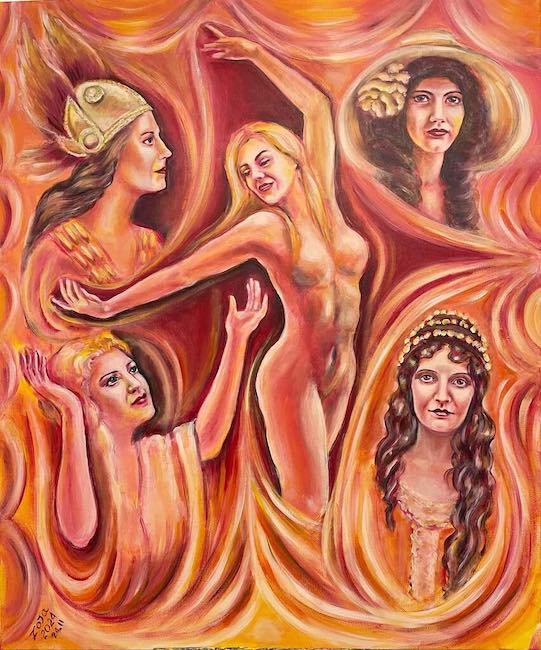
Lo stile che fa da base all’elaborazione delle opere è quello che contraddistingue l’Espressionismo di Zoja Sperstad a cui vengono aggiunte tuttavia le linee concentriche cromatiche che mostrano l’influenza norvegese di Edvard Munch, a cui i due autori si ispirano anche per sviscerare ed enfatizzare il tema dell’Urlo riattualizzato alla storia contemporanea.
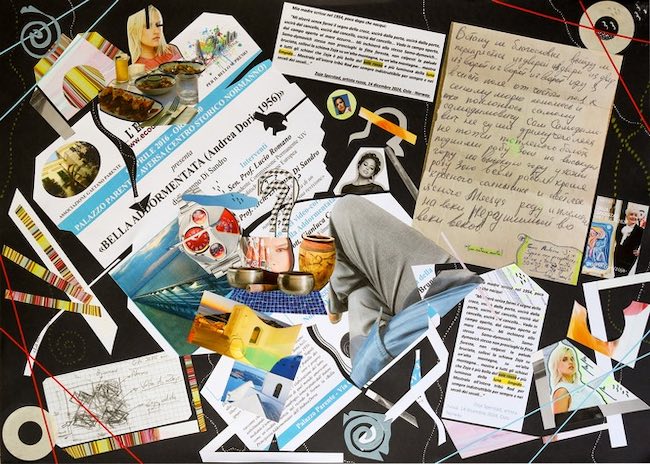
L’autorialità di Ermanno Di Sandro si svela sia attraverso le scritte, tipiche delle sue opere che sono rivisitazioni personalizzate del Nouveau Réalisme, attraverso cui sottolinea e traduce a parole il sentire della figurazione, e sia introducendo i personaggi protagonisti degli scenari internazionali che si svolgono e si sviluppano nei tempi attuali, mostrando così l’attitudine dello stile artistico che lo contraddistingue a essere ironicamente irriverente e portando i personaggi allo stesso livello del sentire delle persone che si trovano a vivere una quotidianità scelta e diretta dai potenti della terra.
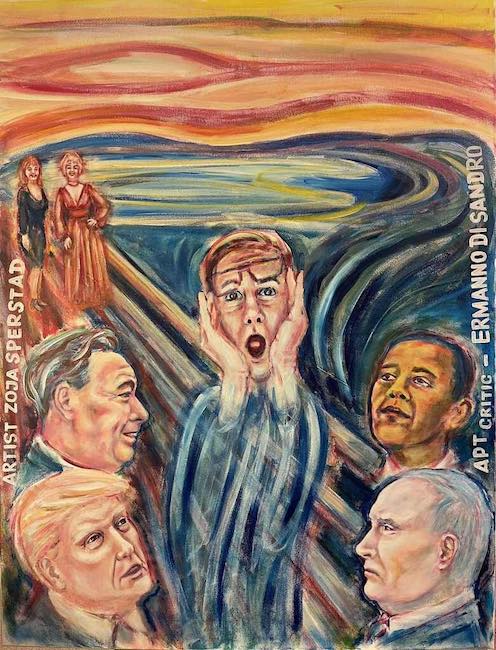
I due autori si pongono infatti al margine dell’opera, quasi a osservare le reazioni incoerenti degli uomini politici e di potere che mettono al centro della tela, rappresentando quel sentire comune che vorrebbe in qualche modo vedere quell’atteggiamento da parte dei governanti, e soprattutto sembrano attendere cosa accadrà dopo quella presa di coscienza; ne L’Urlo infinito insanguinato dalla inutilità delle guerre, al tramonto (della società), tra amici, la gamma cromatica è molto vicina a quella dell’Urlo di Munch ma a differenza del protagonista nordico del movimento, che appare solo e inascoltato nella sua disperazione, qui Ermanno Di Sandro, protagonista in questo caso dell’atto di profondo sconforto, si trova al centro dell’osservazione degli uomini politici che stanno determinando, o hanno determinato, con le loro scelte, gli accadimenti del presente. I quattro personaggi sembrano in qualche modo turbati dall’uomo urlante, quasi la loro attenzione fosse richiamata sull’effetto che le loro decisioni provocano sugli esseri umani, o forse questo è ciò che idealmente dovrebbe suscitare l’assistere a tale reazione. Sullo sfondo Zoja Sperstad, insieme all’amica musicista Tone Martha Eriksen, sembra soddisfatta della capacità del collega e amico di manifestare liberamente ciò che prova all’interno di sé, quasi a sottolineare che il cambiamento e la sensibilizzazione possono partire dall’arte.
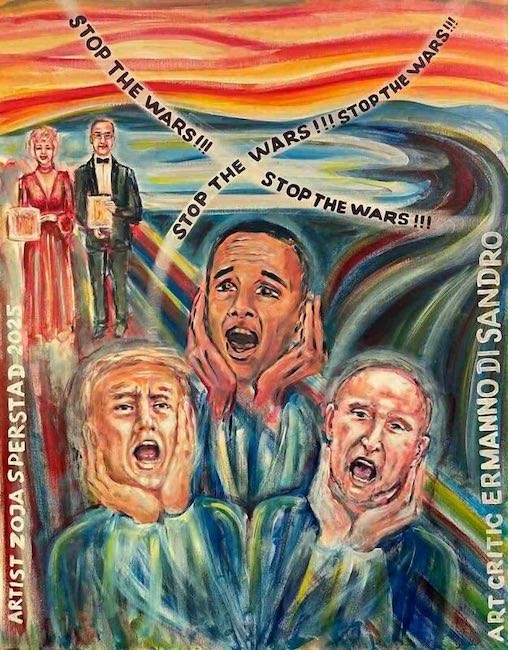
In Fermiamo (tutte) le guerre, l’Urlo di Obama (sdegnato) tra gli amici Trump e Putin osservati da vicino da Ermanno e Zoja, un dettaglio della quale è in copertina articolo, a gridare sconcertati e spaventati sono proprio loro, i potenti della terra, i quali non riescono ad accettare il grido che proviene dalle coscienze del mondo, da tutte le popolazioni che non vogliono più sottostare alle dinamiche generate dai loro calcoli politici, quasi come se all’improvviso si rendessero conto di non avere l’approvazione incondizionata perché le persone non sono felici quando si trovano in una situazione di conflitto. In questo lavoro a trovarsi ai margini della scena centrale sono proprio i due autori, Zoja Sperstad ed Ermanno Di Sandro, quasi fossero lì ad attendere esattamente quella consapevolezza che spesso chi governa non conosce perché nelle dinamiche emozionali e mentali delle persone ordinarie ciò che conta davvero non sono i giochi di potere bensì la possibilità di vivere serenamente la propria esistenza.

La fusione tra lo stile della norvegese di origini russe Zoja Sperstad, abitualmente orientata a mettere in luce il bello, il positivo e la leggerezza della bellezza ma anche dell’aristocrazia, della musica e l’armonia esistente nell’universo a cui attinge per contraddistinguere il suo Espressionismo, e le considerazioni concettuali e persino in qualche modo esistenziali dell’artista, architetto, professore e critico d’arte Ermanno Di Sandro, italo-statunitense, che invece utilizza il collage per dare vita a frammenti di emozioni, di sensazioni, di ricordi appartenenti al suo passato, al suo presente e al percorso della sua esistenza, sembrano sottolineare quanto le differenze e le distanze siano solo apparentemente incolmabili.
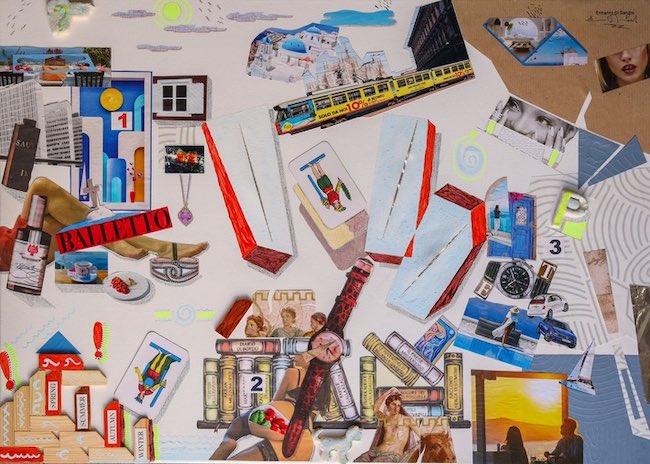
Questo ovviamente è vero sia dal punto di vista fisico, poiché insieme e pur essendo lontani circa duemila chilometri sono riusciti a elaborare un nuovo stile allo stesso modo in cui in passato, nei salotti parigini, gli artisti avevano bisogno di incontrarsi per far nascere le idee avanguardiste, sia dal punto di vista delle radici, poiché pur essendo nati in due mondi che attualmente stanno scegliendo di essere antagonisti e di combattere, di fatto hanno la stessa emozionalità, lo stesso pensiero e il medesimo desiderio che i conflitti finiscano senza bisogno che ne esca un vincitore o un vinto.
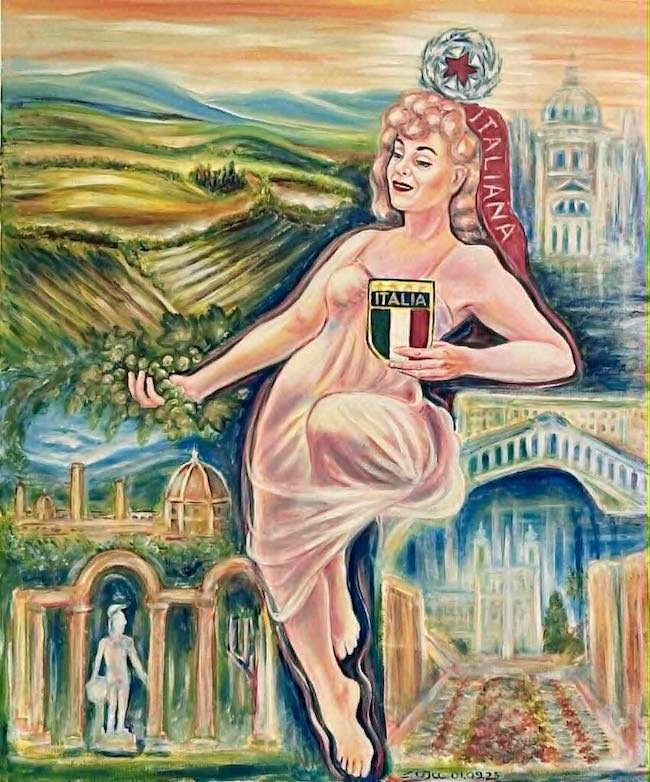
Il percorso di Zoja Sperstad e di Ermanno Di Sandro ha cominciato a unirsi nel 2022, dopodiché lui ha scritto diversi saggi su di lei cominciando a curare il suo percorso professionale pur continuando a mantenere anche una sua spiccata personalità artistica; nel 2025 hanno deciso di unire le loro idee creative per dar vita a questa nuova cifra pittorica che sarà resa protagonista di pubblicazioni internazionali e di sforzi per affermarla dal punto di vista della riconoscibilità.
ZOJA SPERSTAD-CONTATTI
Email: zojasperstad@live.no
Facebook: www.facebook.com/zoja.sperstad
Instagram: www.instagram.com/zojasperstad/
ERMANNO DI SANDRO-CONTATTI
Email: artedisandro@gmail.com
Sito web: www.ermannodisandro.com/
Facebook: www.facebook.com/ermannodisandro
Expressionism and Nouveau Réalisme blend in the new pictorial style of Ermanno Di Sandro and Zoja Sperstad
There are periods in human history when it becomes necessary, if not urgent, to find a means, an artistic voice through which to express one’s thoughts, one’s philosophical and emotional approach to events that follow one another and seem to find no way to be resolved; when artists with similar ideologies feel the need to unite in order to spread a message that would otherwise remain the characteristic of a single individual, tends to arise the idea of creating something new born precisely because of that communion of intentions and thoughts. The desire to bear witness to the current times, with all their critical issues, was the driving force that allowed today’s two protagonists, physically thousands of kilometres apart but close in their feelings and considerations about current events, to create a language in which merging their respective peculiarities, spilling out of the canvases with a strong emotional impact.
Throughout the first half of the twentieth century artists met in cultural salons, clashed and debated to assert their ideas and different points of view, which generated evolutions and transformations in the foundations of movements that continued to flourish year after year. What united artists adhering to a specific style was not only the purely executive aspect but also the philosophical thinking behind the formal appearance. Futurism was born as a celebration of the positive Enlightenment thinking that followed the end of the First World War, and embraced the concept of progress, speed, confident evolution towards tomorrow, as well as approval of the government of that period, by virtue of which Filippo Tommaso Marinetti, Umberto Boccioni and Giacomo Balla, together with other cultural figures and writers of the time, developed a form of art that was in line with their theories. Expressionism, on the other hand, originated in France with the Fauves but soon spread throughout Europe, transformed the initial rules to place the artist, understood as a human being, and his feelings at the centre of the artwork, in a historical phase in which the pain and atrocities of the First and then the Second World War could not fail to be witnessed on canvas. It was in Northern Europe that emerged the most tormented expressionist profiles, the most critical of a world that seemed to want to ignore the value of human life, the discomfort of people who crossed paths in their daily lives without even turning to look at each other, thus exacerbating the sense of loneliness they felt.
Edvard Munch was one of the most emblematic figures of this particular interpretation of Expressionism. However, many other artistic movements also sought to express a more or less veiled criticism of society, based on the subject matter but also on the desire of the artists to openly express their thoughts: Pablo Picasso, with his Guernica, shouted his point of view through a work of great impact that remained in the collective memory, and although, by virtue of his Cubism, the images of that bloody moment appeared less realistic, the sensation aroused was no less strong and intense. Similarly, a few years later, during a more peaceful period from a political point of view, Nouveau Réalisme also criticised, albeit in a subtle and veiled manner, the superficial and hedonistic society that had developed in the post-war period, as if people wanted to put everything behind them and forget what they had experienced. Mimmo Rotella and the affichistes broke with tradition, showing irreverence towards the myths of advertising posters, only to recompose them in the form of chaotic collages aimed at emphasising the ephemeral, evanescent nature of everything that now characterised a common way of life based on consumerism. It is precisely on the basis of these unions of thought and creative intent that has emerged in the present a new pictorial style, called by its authors Neo-Expressionism and Figurative Realism A.D. 2025, founded thousands of kilometres away by Zoja Sperstad and Ermanno Di Sandro to express their thoughts on the direction the world is taking at this delicate moment in time, which made it impossible for them not to come together to offer a common point of view.
The style that forms the basis for the development of the works is that which distinguishes Zoja Sperstad‘s Expressionism, to which are added, however, the concentric chromatic lines that show the Norwegian influence of Edvard Munch from whom the two authors also draw inspiration to explore and emphasise the theme of The Scream, updated to contemporary history. Ermanno Di Sandro‘s authorship is revealed both through the writings typical of his artworks, which are personalised reinterpretations of Nouveau Réalisme through which he emphasises and translates into words the feeling of figuration, and by introducing the protagonists of international scenarios that unfold and develop in the present day, thus showing the attitude of his distinctive artistic style to be ironically irreverent and bringing the characters to the same level of feeling as the people who find themselves living a daily life chosen and directed by the powerful of the earth.
The two authors place themselves on the margins of the work, almost observing the inconsistent reactions of the politicians and powerful figures they place at the centre of the canvas, representing that common feeling that would somehow like to see that attitude on the part of those in power, and above all seem to be waiting to see what will happen after that realisation; in L’Urlo infinito insanguinato dalla inutilità delle guerre, al tramonto (della società), tra amici (The Endless Scream, bloodied by the futility of war, at sunset (of society), among friends), the colour range is very close to that of Munch‘s The Scream, but unlike the Nordic protagonist of the movement, who appears alone and unheard in his despair, here Ermanno Di Sandro, protagonist in this case of profound despair, is settled at the centre of the observation of politicians who are determining, or have determined, with their choices the events of the present. The four characters seem somewhat disturbed by the screaming man, as if their attention were drawn to the effect their decisions have on human beings, or perhaps this is what ideally should be aroused by witnessing such a reaction.
In the background, Zoja Sperstad, together with her musician friend Tone Martha Eriksen, seems satisfied with her colleague and friend’s ability to freely express what he feels inside, as if to emphasise that change and awareness can start with art. In Fermiamo (tutte) le guerre, l’Urlo di Obama (sdegnato) tra gli amici Trump e Putin osservati da vicino da Ermanno e Zoja (Let’s Stop (All) Wars, Obama’s (indignant) cry between his friends Trump and Putin, closely observed by Ermanno and Zoja), a detail of which is on the cover of this article, it is they themselves who are shouting in bewilderment and fear, the powerful of the earth, who cannot accept the cry that comes from the consciences of the world, from all the populations who no longer want to submit to the dynamics generated by their political calculations, almost as if they suddenly realised that they do not have unconditional approval because people are not happy when they find themselves in a situation of conflict. In this work, the two authors, Zoja Sperstad and Ermanno Di Sandro, find themselves on the margins of the central scene, as if they were waiting for precisely that awareness that those in power often lack, because in the emotional and mental dynamics of ordinary people, what really matters is not power games but the possibility of living one’s life peacefully.
The fusion between the style of the Norwegian artist of Russian origin Zoja Sperstad, who usually focuses on highlighting the beauty, positivity and lightness of beauty, but also of aristocracy, music and the harmony that exists in the universe which she draws on to distinguish her Expressionism, and the conceptual and even somewhat existential considerations of the artist, architect, professor and art critic Ermanno Di Sandro, Italian-American who instead uses collage to give life to fragments of emotions, sensations and memories belonging to his past, his present and the path of his existence, seem to underline how differences and distances are only apparently unbridgeable.
This is obviously true both from a physical point of view, since together, despite being about two thousand kilometres apart, they have managed to develop a new style in the same way that in the past, in Parisian salons, the artists needed to meet in order to give birth to avant-garde ideas, and from the point of view of their roots because although they were born into two worlds that are currently choosing to be antagonistic and to fight each other they actually share the same emotionality, the same way of thinking and the same desire for conflicts to end without the need for a winner or loser. The paths of Zoja Sperstad and Ermanno Di Sandro began to converge in 2022, after which he wrote several essays about her and began to curate her professional career while continuing to maintain his own distinct artistic personality. In 2025, they decided to combine their creative ideas to give life to this new pictorial style, which will be featured in international publications and efforts to establish its recognition.