
Esiste un punto di vista pittorico decisamente più intimista, quasi cupo se paragonato ad altre espressività più vivaci o semplicemente in grado di manifestare con pienezza tutto il ventaglio di emozioni appartenenti all’interiorità del singolo autore, all’immediatezza narrativa che non consente riflessioni né mediazioni. Per alcuni autori invece il tangibile ha bisogno di essere assorbito e analizzato in quel mondo a metà tra emozione e psiche, tra sensazione e riflessione su tutto ciò che all’impatto visivo iniziale si aggiunge lentamente, come se emergesse sottilmente da un fondo costituito da energia e da intuizioni taciute in grado di esplicitarsi solo quando raggiungono la coscienza. Questo è esattamente il percorso artistico compiuto da Norbert Schwontkowski nel corso di una carriera che lo ha visto protagonista di un modo di fare arte decisamente al di fuori dei palcoscenici più di impatto e avvolto dal silenzio dei simboli e delle metafore che emergono dalla sua pittura.
Il periodo di fine Ottocento vide una profonda trasformazione nell’arte europea poiché tutto ciò che in passato era prioritario, come la resa perfetta della realtà, la finezza tecnica nell’utilizzo dei colori e del chiaroscuro e il forte orientamento all’estetica lasciarono il posto a un atteggiamento più esistenzialista che puntava a mettere l’essere umano, con le sue pulsioni, i suoi sentimenti e i suoi turbamenti, al centro della ricerca pittorica. Il primo movimento che seguì questa linea espressiva, sebbene ancora fortemente legato a una figurazione tradizionale, fu il Simbolismo che si interrogò sulla connessione e l’influenza che l’ambiente circostante aveva sull’uomo tanto quanto le energie che aleggiavano sotto la realtà fossero a loro volta mosse e influenzate dall’osservazione e dal sentire del singolo. All’interno del movimento vi furono autori che esplorarono in maniera più approfondita le pulsioni terrene, altri che invece legarono la propria opera a una reinterpretazione della mitologia e infine altri, come Arnold Böcklin, che si soffermarono sul mondo dell’al di là, o meglio sull’evocazione della sua presenza in una quotidianità che spesso ne nascondeva la percezione. L’attenzione alla correlazione tra individuo e ambiente circostante si approfondì e amplificò con il sopraggiungere del nuovo secolo, il Novecento, dove l’analisi virò verso due tipi di stili diversi tra loro dal punto di vista formale, eppure entrambi in grado di sviluppare le tematiche simboliste; i due movimenti furono l’Espressionismo e il Surrealismo. Il primo era più focalizzato sull’accezione esistenzialista della ricerca artistica, con una figurazione completamente distaccata dalla realtà osservata sia dal punto di vista cromatico che da quello descrittivo, perché a emergere dovevano essere le angosce, le paure, i profondi disagi interiori vissuti in un periodo, quello a cavallo delle due guerre, dove tutte le certezze erano dissolte e dove la società tendeva verso l’ipocrisia e una formalità superflua. Tra gli interpreti più rappresentativi dell’Espressionismo vi furono Egon Schiele ed Edvard Munch, diversi eppure entrambi intensi nel loro intimista racconto dell’osservato. Il secondo invece, il Surrealismo, esplorò il mondo dell’inconscio, dei fantasmi della mente, di quell’ansia del vivere messa a tacere nella fase cosciente e che si liberava durante la notte, quando il silenzio apriva le porte ai mostri della ragione. La sessualità fortemente presente in Salvador Dalì si affiancava dunque alle figure antropomorfe e spaventose di Max Ernst e alle atmosfere post-apocalittiche di Yves Tanguy, ma in tutti fu chiara la necessità di continuare a esplorare quell’incognito appartenente al quotidiano e troppo spesso messo in secondo piano dal pragmatismo. Sia l’Espressionismo che il Surrealismo sottolinearono l’importanza di continuare a mettere in evidenza l’uomo, le sue fragilità, le sue incertezze e le sensazioni inspiegabili che attraverso l’arte potevano fuoriuscire.
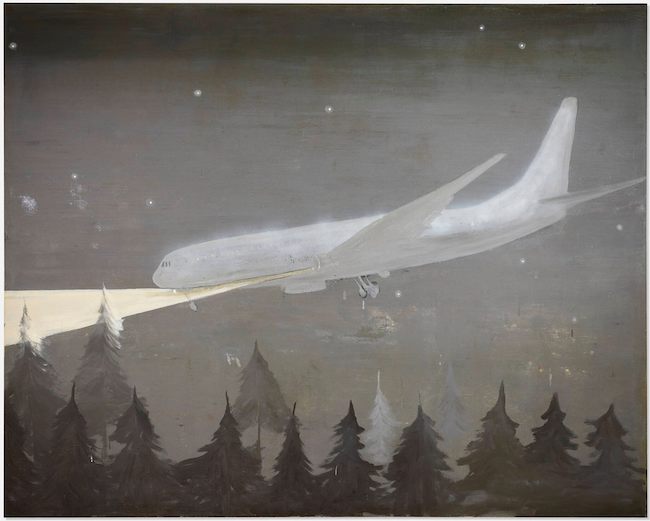
L’artista tedesco Norbert Schwontkowski, scomparso prematuramente nel 2013, raccoglie l’eredità dei due movimenti dei primi del Novecento assumendo di entrambi l’accezione più moderata e arricchita dalla sua sensibilità percettiva che gli consentiva di filtrare l’osservato con il suo bisogno di esplorarlo profondamente, scegliendo un Simbolismo velato di Esistenzialismo allargato non tanto all’analisi del singolo soggetto piuttosto a quello dell’essere umano inteso come comunità, come concetto generale in relazione con un mondo circostante all’interno del quale egli non può che sentirsi piccolo. La sensazione prevale su qualsiasi altra priorità espressiva ecco perché le sue tele, dal punto di vista cromatico, appaiono intime, cupe in alcuni casi, avvolte da colori terrosi come se uscissero da un luogo della mente in cui la luce non ha accesso perché è solo attraverso il silenzio dell’ombra che alcune emozioni posso affiorare alla coscienza.
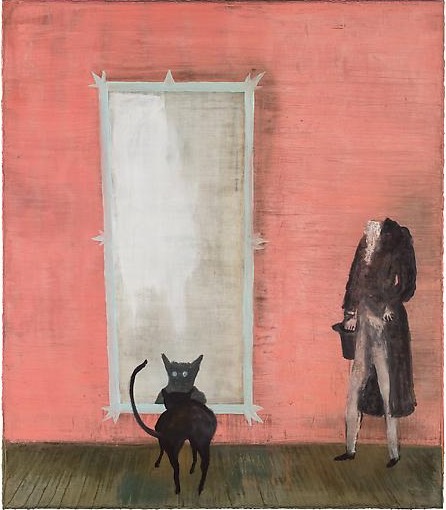
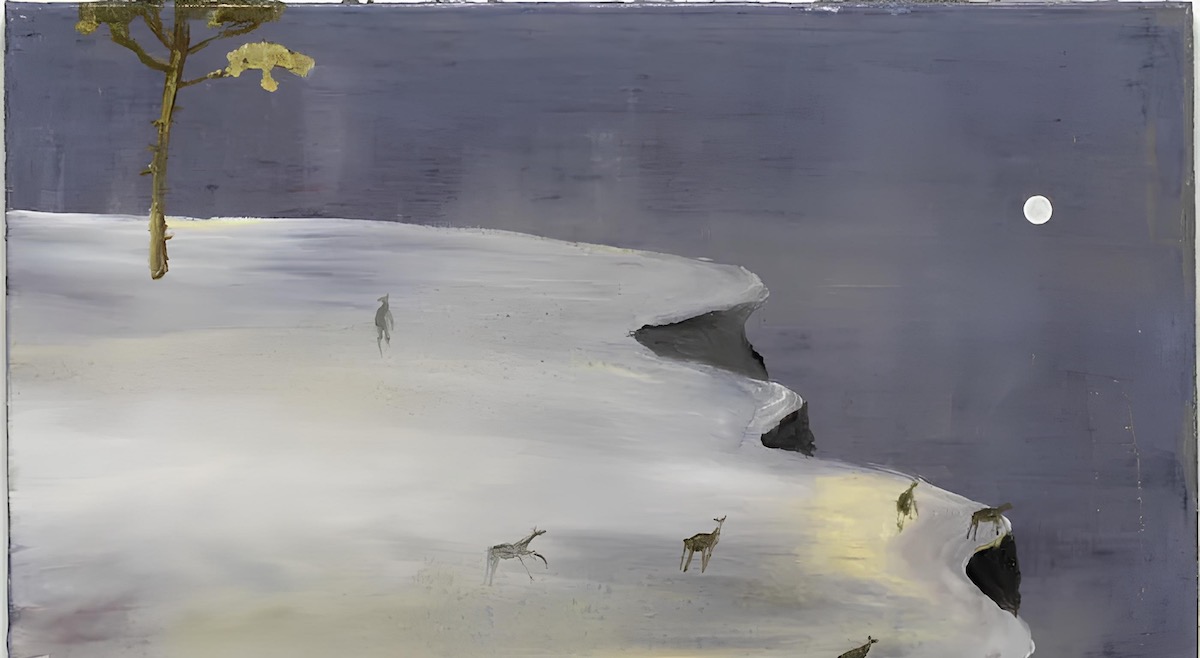
Riguardo all’aspetto formale le ambientazioni di Norbert Schwontkowski hanno un aspetto minimalista, la presenza dell’essere umano, tranne che in alcune particolari opere, è sottodimensionata rispetto alla grandezza della natura, sia essa un cielo scuro e tempestoso, sia essa appartenente a una scena notturna o sia essa invece descrittiva di una metafora sull’esistenza.
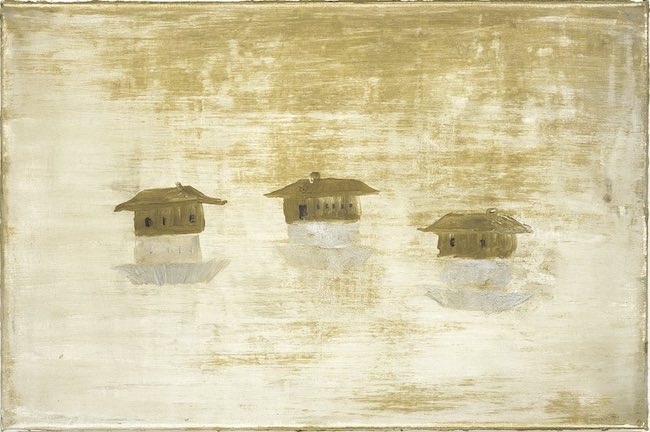
L’impalpabilità degli sfondi si adegua perfettamente alla sua poetica malinconica, concentrata sull’ineluttabilità del destino, sull’inconsistenza di un individuo che pensa di poter dominare il proprio destino salvo rendersi conto che tutto è deciso e governato da forze più grandi di lui alle quali non può fare altro che lasciarsi andare, comprenderne le influenze e il mistero che le avvolgono e abbandonarsi alla consapevolezza della forza superiore che le contraddistingue. In qualche modo le tele di Schwontowski si avvicinano alle atmosfere di Arnold Böcklin soprattutto per quello sguardo verso il soprannaturale che laddove nel secondo è narrato attraverso la sottile presenza del mondo dell’al di là, nel primo pervade invece la riflessione e lo sguardo sulla quotidianità senza chiamare in causa energie che nella fase dell’esistenza materiale sono già sufficientemente misteriose ed enigmatiche. I titoli delle tele sono a loro volta esplicativi del concetto verso cui l’autore vuole condurre la riflessione, concetto che un secondo dopo, non appena lo sguardo si posa sull’opera, si approfondisce entrando in una dimensione più metaforica, quasi come se la guida delle parole fosse solo e unicamente un ponte per condurre la coscienza verso un cammino in cui non può fare a meno di sentirsi disorientata proprio per l’ambiguità visiva davanti a cui si trova.
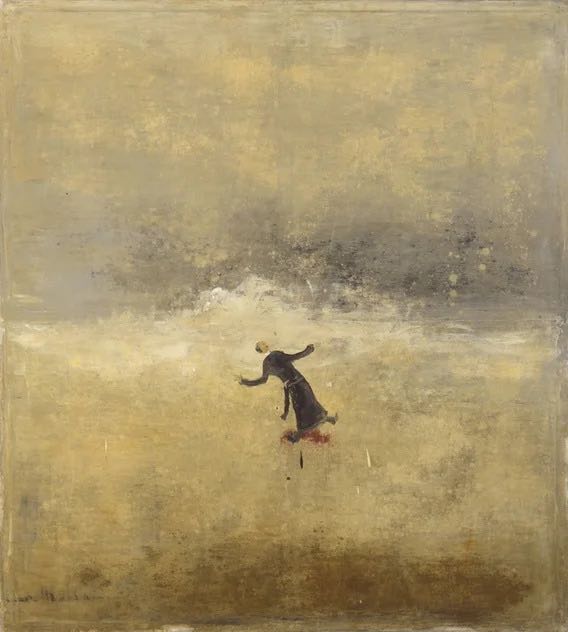
Dunque nel momento in cui il dipinto si intitola …am Meer (…al mare), il fruitore potrebbe mentalmente essere predisposto a scorgere un paesaggio marino mentre in realtà si trova immerso in un’atmosfera completamente diversa, destabilizzante, le nubi dentro cui galleggia il piccolo personaggio protagonista sembrano appartenere al mare dell’esistenza, a quel fluttuare che contraddistingue il vivere contemporaneo tendente ad annullare le caratteristiche peculiari del singolo per far sì che si omologhi a un tutto, a una generalizzazione che malgrado ciò lo fa sentire sempre più solo.
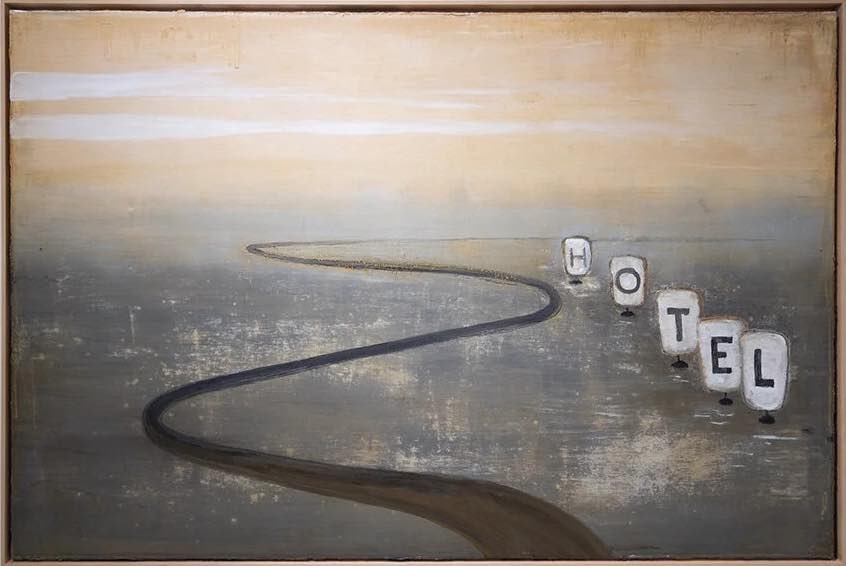
Ende der Welt (Fine del mondo) descrive invece un luogo non luogo, il punto verso cui l’essere umano sta portando il posto che abita rendendolo una terra desolata, brulla e priva di tutti gli elementi che invece la renderebbero viva e rigogliosa; l’hotel di cui mette in evidenza l’insegna sovradimensionata rispetto alla strada tortuosa che le passa affianco, è quello del fine corsa, quello che non può non riportare la memoria alla celeberrima canzone degli Eagles legandovisi anche per la sensazione di disagio che suscita il trovarsi faccia a faccia con l’epilogo che potrebbe prospettarsi all’umanità. Eppure una speranza esiste, ed è quella evocata dalla luminosità che si staglia e irrompe sul cielo polveroso, quasi a suggerire che la fine di quella strada potrebbe non andare verso il lato più grigio del cielo, bensì potrebbe anche virare verso un positivo, se l’essere umano fosse capace di invertire la sua rotta.
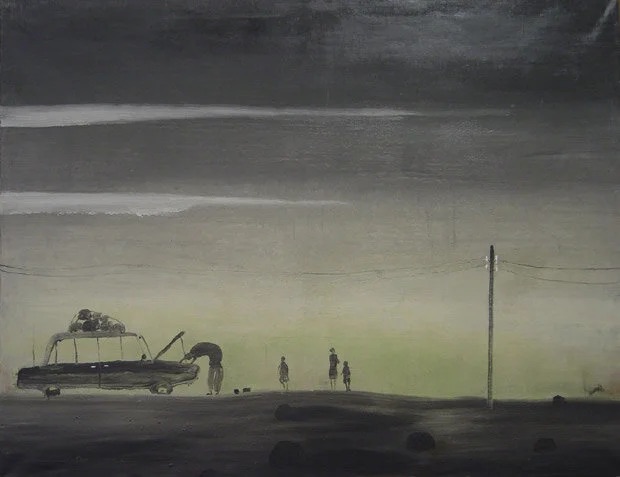
E ancora una volta in Das grüne Leucht (La luce verde), Norbert Schwontkowski mette in risalto l’inconsistenza dell’uomo all’interno di un mondo ben più grande di lui, che invece sembra preoccuparsi solo della contingenza, del suo piccolo ambito all’interno del quale vive le sue giornate fatte di routine, di imprevisti, di piccoli ostacoli come quello costituito dall’avaria alla macchina della famiglia protagonista del dipinto, di drammi e di vittorie che gli impediscono spesso di guardare oltre l’orizzonte osservando la bellezza di ciò che accade intorno a sé. La luce verde del titolo è un dettaglio che viene messo in evidenza per l’osservatore ma che tuttavia rimane ignorato dai piccoli personaggi della vicenda raccontata, come se fossero troppo presi dalla loro disavventura per scorgere il particolare in grado di rompere il buio circostante, la luce verde dietro di loro.
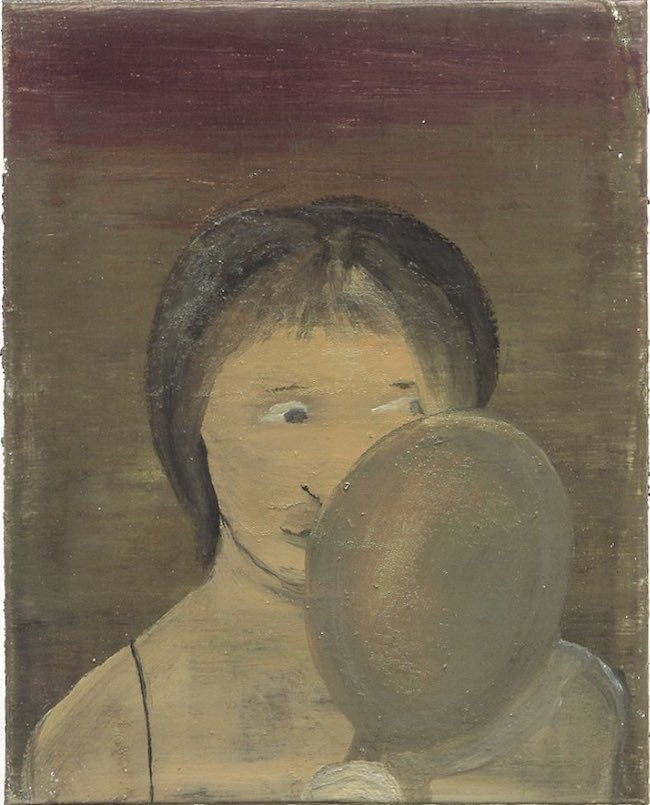
Norbert Schwontkowski è stato professore di pittura alla Hochschule für Bildende Künste di Amburgo, ha esposto regolarmente in gallerie e istituzioni pubbliche in tutta Europa a partire dalla fine degli anni ’70; le sue opere fanno parte delle collezioni di musei quali il Solomon R. Guggenheim Museum di New York e il Museum of Fine Arts di Boston. È deceduto nel 2013 a Brema, in Germania.
NORBERT SCHWONTKOWSKI-CONTATTI
Email: info@miandn.com
Sito web: www.miandn.com/artists/norbert-schwontkowski
Instagram: www.instagram.com/schwontkowski_estate/
The melancholic atmospheres of Norbert Schwontkowski, when Existentialist Symbolism depicts the fragility of human existence
There exists a pictorial perspective that is decidedly more intimate, almost somber, when compared to other more vibrant modes of expression or to those simply capable of fully manifesting the entire emotional spectrum of the individual artist’s inner world and a narrative immediacy that allows for neither reflection nor mediation. For some artists, however, the tangible must be absorbed and analyzed in that realm halfway between emotion and the psyche, between sensation and reflection on everything that slowly builds upon the initial visual impact, as if subtly emerging from a foundation of energy and unspoken intuitions capable of becoming explicit only when they reach consciousness. This is precisely the artistic path taken by Norbert Schwontkowski over the course of a career that has seen him as a leading figure in an approach to art that stands decidedly apart from the most high-profile stages and is enveloped in the silence of the symbols and metaphors that emerge from his painting.
The late nineteenth century saw a profound transformation in European art, as everything that had previously been prioritized such as the perfect rendering of reality, technical finesse in the use of color and chiaroscuro, and a strong focus on aesthetics, gave way to a more existentialist approach that sought to place the human being, with his impulses, feelings, and inner turmoil, at the center of artistic exploration. The first movement to follow this expressive direction, though still strongly tied to traditional figurative art, was Symbolism which explored the connection and influence that the surrounding environment had on humans, just as the energies lurking beneath reality were, in turn, shaped and influenced by the individual’s observation and perception. Within the movement, some artists explored in a greater depth the earthly impulses, others linked their work to a reinterpretation of mythology and still others, such as Arnold Böcklin, focused on the afterlife, or rather on evoking its presence in a daily life that often concealed its perception.
The focus on the relationship between the individual and the surrounding environment deepened and expanded with the arrival of the new century, the 20th century, when the analysis shifted toward two stylistic approaches that differed from one another in formal terms, yet were both capable of developing symbolic themes; the two movements were Expressionism and Surrealism. The former was more focused on the existentialist aspect of artistic exploration, with a style of representation completely detached from observed reality, both in terms of color and description because the aim was to bring to the surface the anxieties, fears, and the profound inner turmoil experienced during a period, the interwar years, when all certainties had dissolved and society was drifting toward hypocrisy and superfluous formality.
Among the most representative figures of Expressionism were Egon Schiele and Edvard Munch, different yet both intense in their intimate portrayal of the observed. The second movement, Surrealism, explored the world of the unconscious, the phantoms of the mind, and that anxiety of living silenced in the conscious state but set free at night, when hush opened the doors to the monsters of reason. The strong presence of sexuality in Salvador Dalí’s work thus stood alongside the anthropomorphic and terrifying figures of Max Ernst and the post-apocalyptic atmospheres of Yves Tanguy, but in all of them was clear the need to continue exploring that unknown aspect of everyday life, all too often pushed into the background by pragmatism. Both Expressionism and Surrealism emphasized the importance of continuing to highlight humanity, its fragility, its uncertainties, and the inexplicable sensations that could emerge through art.
The German artist Norbert Schwontkowski, who passed away prematurely in 2013, drew on the legacy of these two early 20th-century movements, adopting the more moderate aspects of both and enriching them with his perceptive sensibility that allowed him to filter what he observed through his need to explore it deeply, opting for a Symbolism veiled in Existentialism extended not so much to the analysis of the individual subject as to that of the human being understood as a community, as a general concept in relation to a surrounding world within which he cannot help but feel small. Sensation takes precedence over any other expressive priority, this is why his canvases, from a chromatic standpoint, appear intimate, somber in some cases, enveloped in earthy colors, as if they emerged from a place in the mind where light has no access because it is only through the silence of shadow that certain emotions can surface into consciousness. In terms of form, Norbert Schwontkowski’s settings have a minimalist appearance, with the exception of a few specific works, the human figure is dwarfed by the grandeur of nature whether it be a dark, stormy sky, a nocturnal scene, or a metaphor for existence.
The ethereal quality of the backgrounds perfectly complements his melancholic aesthetic which focuses on the inevitability of fate, on the insignificance of an individual who believes he can control his own destiny, only to realize that everything is determined and governed by forces greater than himself to which he can do nothing but surrender, understand their influences and the mystery that surrounds them, and yield to the awareness of the superior power that defines them. In some ways, Schwontowski’s canvases resemble the atmospheres of Arnold Böcklin, particularly in their gaze toward the supernatural; whereas in Böcklin’s work this is conveyed through the subtle presence of the afterlife, in Schwontowski’s work it instead permeates his reflection on and gaze upon everyday life without invoking energies that, in the realm of material existence, are already sufficiently mysterious and enigmatic. The titles of the paintings, in turn, explain the concept toward which the artist wishes to direct the viewer’s reflection and that, a split second later, as soon as the gaze rests on the work, deepens entering a more metaphorical dimension, almost as if the guidance provided by the words were solely a bridge to lead the consciousness down a path where it cannot help but feel disoriented precisely because of the visual ambiguity it encounters.
Thus, when the painting is titled …am Meer (…by the Sea), the viewer might be mentally predisposed to perceive a seascape, whereas in reality he finds himself immersed in a completely different, unsettling atmosphere; the clouds within which the small central figure floats seem to belong to the sea of existence, to that fluctuation that characterizes contemporary life which tends to erase the unique characteristics of the individual so that they conform to a whole, to a generalization that, despite this, makes them feel increasingly alone. Ende der Welt (End of the World), on the other hand, describes a “non-place”, the point toward which humankind is leading the place it inhabits, turning it into a desolate, barren land devoid of all the elements that would otherwise make it alive and lush; the hotel, whose sign looms oversized against the winding road running alongside it, marks the end of the line, a place that inevitably brings to mind the Eagles’ famous song, linked to it also by the sense of unease evoked by coming face-to-face with the possible outcome awaiting humanity. Yet hope exists, and it is evoked by the light that stands out and bursts through the dusty sky, almost suggesting that the end of that road might not lead toward the gloomiest part of the sky, but could instead veer toward something positive if humanity were capable of reversing its course.
And once again, in Das grüne Leucht (The Green Light), Norbert Schwontkowski highlights the insignificance of man within a world far greater than himself that, in contrast, seems concerned only with the immediate, his small sphere within which he lives out his days made up of routine, unexpected events, minor obstacles such as the breakdown of the car belonging to the family depicted in the painting, dramas, and victories that often prevent him from looking beyond the horizon to observe the beauty of what is happening around him. The green light in the title is a detail that stands out to the viewer but is nevertheless overlooked by the small characters in the story, as if they were too caught up in their misadventure to notice the detail capable of piercing the surrounding darkness, the green light behind them. Norbert Schwontkowski was a professor of painting at the Hochschule für Bildende Künste in Hamburg; he exhibited regularly in galleries and public institutions throughout Europe beginning in the late 1970s. His works are part of the collections of museums such as the Solomon R. Guggenheim Museum in New York and the Museum of Fine Arts in Boston. He passed away in 2013 in Bremen, Germany.