

Avventurarsi alla scoperta di vari luoghi del mondo esercita un fascino irresistibile per tutti quegli artisti che non riescono a rimanere all’interno dei confini del conosciuto, di quei panorami appartenenti alla cultura in cui sono nati e cresciuti, bensì necessitano di lasciar vagare il loro sguardo su tutto ciò che è diverso, lontano, inconosciuto. Tra gli autori che avvertono questo tipo di necessità espressiva ve ne sono alcuni che mostrano l’attitudine ad andare persino oltre, a interiorizzare gli scenari davanti a cui si trovano ricercando lo scorcio inconsueto, quello che probabilmente nessuno è riuscito a catturare ma che diviene invece il punto focale della rappresentazione di questi scopritori di meraviglie visive. Il protagonista di oggi utilizza la fotografia per raccontare all’osservatore il suo viaggio all’interno di quelle bellezze urbane e architettoniche che attraverso la sua curiosità esplorativa si trasformano in vere e proprie opere d’arte in cui la metafisica del silenzio si associa all’essenzialità razionalista.
I primi anni del Ventesimo secolo sottolinearono un inedito modo di osservare la realtà e di rapportarsi all’arte intesa nel senso più ampio del termine, poiché le innovazioni tecnologiche che stavano iniziano a cambiare la vita delle persone e l’esigenza di ridurre all’essenziale sia le architetture degli edifici che le opere pittoriche e scultoree che dovevano adeguarsi al cambiamento dei tempi, richiedevano un nuovo passo e il distacco dalle linee guida accademiche, predominanti fino al secolo precedente, che mettevano al centro della ricerca la riproduzione della realtà osservata. In quel periodo di cambiamento nacque l’Arte Astratta che si assestò ben presto verso un rigore primario e geometrico, come nel caso del De Stijl di Piet Mondrian e Theo Van Doesburg, sulla base del quale venne anche fondata quella che fu considerata la scuola sperimentale più importante d’Europa in cui le varie discipline interagivano contaminandosi reciprocamente; parlo ovviamente della Bauhaus che introdusse tutte le innovazioni più recenti come la Computer Art, e che trasformò in concetto artistico persino l’architettura anch’essa aderente alle linee guida di essenzialità e di rigorosità che appartenevano al Neoplasticismo così come alla modernità che stava avanzando.
L’alternanza tra vuoti e pieni, la continuità tra spazi interni ed esterni, tanto quanto la semplificazione delle linee furono caratteristiche che si diffusero velocemente non solo in Europa bensì anche negli Stati Uniti dove i nuovi grattacieli interagivano a loro volta con l’ambiente circostante attraverso i vetri e gli specchi, orgoglio americano di proiezione e fiducia verso il futuro. E fu esattamente su questo che si focalizzò il Fotorealismo di Richard Estes, sottolineando la bellezza cristallina della rigorosità architettonica associata alla superficie riflettente dei vetri, come se in qualche modo egli volesse mostrare la sua ammirazione per la rapida crescita urbanistica ed esistenziale delle grandi città.
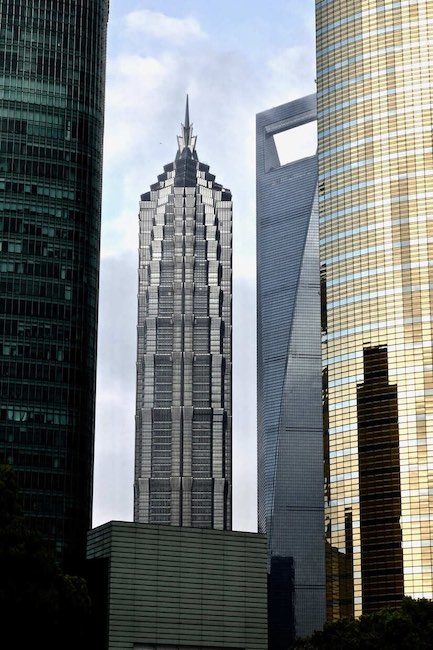
La capacità di ritrarre la realtà per come era, nel modo più fedele possibile avvicinandosi pertanto al mondo della fotografia che non costituiva più una minaccia all’espressione pittorica, segnò una svolta importante nell’arte della metà del Novecento poiché da un lato trasformò la macchina fotografica in importante supporto di studio e di base stessa per l’esecuzione di un dipinto, dall’altro aprì la strada a un diverso concetto di reportage che usciva dal ritratto o dall’osservazione dell’essere umano come centro focale di un’opera, o ancora dalla documentazione di guerra che tanto aveva reso grandi gli interpreti della grande fotografia come Robert Capa. Alberto di Mauro, in arte En Nico, fotografo di origini siciliane ma in realtà cittadino del mondo in virtù della sua lunga carriera come direttore di vari Istituti Italiani di Cultura – Tel Aviv, Edimburgo, Dakar, Berlino, Jakarta, Tokyo, Mosca, Los Angeles -, mostra un approccio molto vicino a quello di Richard Estes poiché anche in lui a emergere sono quei dettagli insoliti, quelle angolature particolari che da un lato decontestualizzano l’ambientazione mentre dall’altro vanno a scoprire punti di vista osservabili solo in virtù di un’attitudine al dettaglio e di una sensibilità visionaria che consente all’autore di guardare oltre il visibile e spostarsi nella dimensione dell’intuibile; il gioco visivo che ne fuoriesce è affascinante, i luoghi immortalati escono dalla narrazione tradizionale, oggettiva, per inoltrarsi nell’ambito di un immaginario in cui i dettagli costituiscono la base dell’essenza di quelle angolature soggettive.
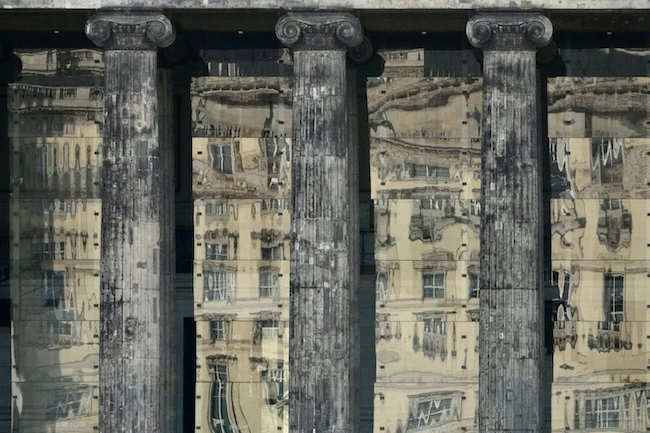
Per quanto riguarda la cromaticità, la fotografia di En Nico, in cui il colore è fondamentale per sottolineare il gioco di luci e ombre con cui egli scolpisce letteralmente le sue scene, sceglie delle tonalità intense, sapientemente contrastate laddove il focus dell’immagine viene messa in primo piano dal cielo, oppure più terrose e sfumate quando invece a predominare è il lato ombra, quel controluce che gli consente di tratteggiare i contorni lasciando all’immaginazione il compito di scorgere i dettagli appena sussurrati. Dal punto di vista espressivo invece, le sue narrazioni appaiono vicine alla Bauhaus per la geometricità e il rigore sempre presenti persino negli scatti architettonicamente misti in cui emergono anche elementi classici, curvilinei, barocchi od orientaleggianti, e alla Metafisica per la decontestualizzazione e l’assenza totale dell’essere umano, quasi esso dovesse essere solo spettatore della scoperta del mondo così come colto, nella sua particolarità ed essenza unica, da En nico.
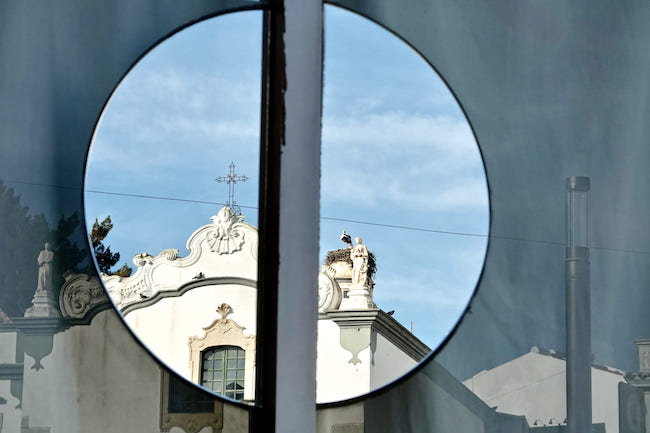
L’opera fotografica Faro (Portugal) ’22 fa infatti riferimento al logo della scuola della Bauhaus, quell’icona astratta raffigurante un volto stilizzato che stava a rappresentare la modernità tecnologica dell’indirizzo della scuola, e che da En Nico viene riproposto, personalizzandolo, nell’inquadratura geometrica con la quale mette in luce una forma più armonica, quella della chiesa barocca della città portoghese in cui lo scatto è ambientato. La particolarità di tutte le immagini dell’autore è che non esiste alcuna manipolazione o sovrapposizione di soggetti elaborata al computer, al contrario il suo approccio è purista dal punto di vista fotografico e contemplativo nell’andare a cercare quel singolare e unico punto di osservazione da cui poter immortalare il dettaglio all’interno della totalità, la bellezza più ricercata all’interno di una meraviglia visiva più grande.
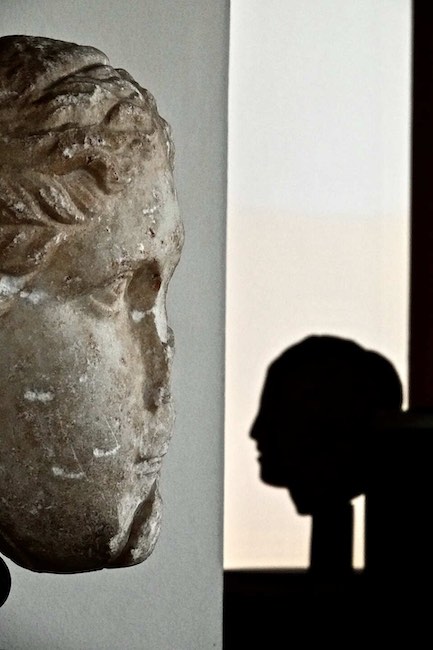
In Palestrina (Italia) ’21 emerge invece il lato più metafisico di En Nico, quel dirigere la sua attenzione, e di conseguenza quella del fruitore, nel contrasto tra antico e moderno, tra passato costituito dalle teste in stile Classico protagoniste dell’opera e le linee asciutte e quasi scolpite di luce e ombra della contemporaneità, attitudine all’essenziale appartenente alla vita moderna. Eppure, sembra sottolineare l’autore, non potrebbe esistere l’oggi senza l’eredità di tutto ciò che c’è stato ieri, l’essere umano affonda inevitabilmente le sue radici in tutto ciò che nei secoli ha strutturato il suo pensiero, i suoi valori, gli usi e tradizione che appartengono a ciascuna civiltà del mondo e che non dovrebbero mai essere cancellati dalla globalizzazione bensì custoditi nel patrimonio culturale di ogni popolo.
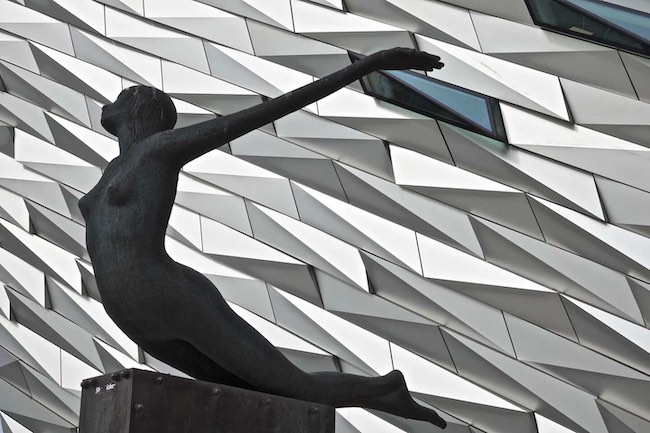
Belfast (Northern Ireland) ’23 mescola la geometricità della struttura del Titanic Belfast, memoriale del tragico affondamento della celeberrima nave, e la morbidezza della figura femminile della statua monumentale evocante nella sua posa una prua; nello scatto di En Nico però l’ambientazione sparisce, la sua attenzione si concentra su quel contrasto visivo tra sinuosità e rigore, tra rigidità e flusso di movimento che in qualche modo attinge alle opere tipiche del Futurismo, come se a voler essere sottolineato in questo caso fosse la consapevolezza di doversi proiettare verso il domani malgrado gli accadimenti di cui il museo e la statua vogliono costituire un ricordo incancellabile.
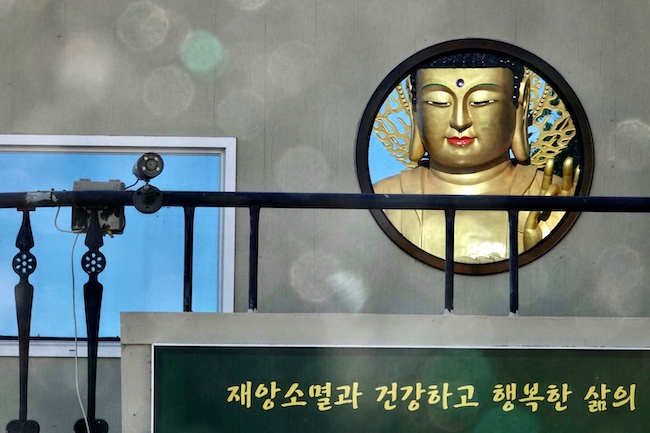
Infine in Korea ’24 l’autore immortala il contrasto tra una tradizione buddista ampiamente diffusa e secondo le regole della quale moltissimi sudcoreani vivono, e la tecnologia che invece domina nella vita quotidiana attuale e di cui il paese è addirittura innovatore e promotore soprattutto in alcuni ambiti; anche in questa opera emerge la contrapposizione che En Nico compie costantemente, come la sua fosse quasi inconsapevolmente una ricerca di equilibrio tra emozione e ragione, tra tradizione e innovazione, tra istinto e analisi perché in fondo, sembra dire attraverso i suoi scatti, la completezza sta esattamente nell’antitesi, nel contrasto di energie che si oppongono generando quell’evoluzione che si manifesta in maniera chiara agli occhi di chi sa cogliere la bellezza in tutto ciò che circonda l’essere umano. Curioso, attento e profondo conoscitore di tutti i paesi in cui per lavoro ha vissuto, En Nico svela all’osservatore quei segreti sussurrati delle grandi città, quegli scorci nascosti che stimola ad approfondire per dare a un viaggio un senso diverso, non più solo di visita bensì anche di scoperta di quel non detto che altrimenti sfuggirebbe.
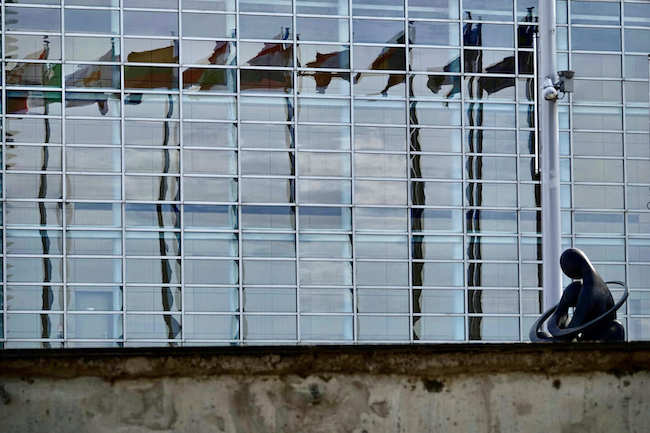
En Nico ha al suo attivo molte mostre personali in Italia – Palermo, L’Aquila, Udine, Firenze, Ascoli Piceno, Muggia, Abano Terme, Montecatini Terme, Roma, Passignano sul Trasimeno e Venezia – e all’estero – Mosca, Budapest, Oslo e Messico -; è membro onorario dell’Accademia di Belle Arti di Mosca e una collezione di sue opere sono raccolte nella pubblicazione en nico viaggiando nell’immaginario fotografico edito da Gangemi.
EN NICO-CONTATTI
Email: ennicoad@email.com
Sito web: www.ennicoad.com
Facebook: www.facebook.com/alberto.dimauro.39
Instagram: www.instagram.com/ennicoad/
The photographic visions by En nico, between unpublished glimpses and the loss of traditional references
Venturing out to discover various places around the world exerts an irresistible fascination for all those artists who cannot remain within the borders of the known, of those landscapes belonging to the culture in which they were born and raised, but need to let their gaze wander over everything that is different, distant, unknown. Among the authors who feel this kind of expressive necessity, there are some who show an aptitude for going even further, internalizing the scenes before them and seeking out the unusual view, the one that probably no one else has managed to capture but which instead becomes the focal point of the representation of these discoverers of visual wonders. Today’s protagonist uses photography to tell the observer about his journey into those urban and architectural beauties which, through his exploratory curiosity, are transformed into true works of art in which the metaphysics of silence is associated with rationalist essentiality.
The early years of the 20th century highlighted a new way of observing reality and relating to art in the broadest sense of the term, as technological innovations began to change people’s lives and the need to reduce both building architecture and pictorial and sculptural works to their essentials in order to adapt to changing times, required a new step, breaking away from the academic guidelines, that had predominated until the previous century,which placed the reproduction of observed reality at the center of research. During that period of change, Abstract Art was born, which soon settled into a primary and geometric rigor, as in the case of Piet Mondrian and Theo Van Doesburg‘s De Stijl, on the basis of which was founded what was considered the most important experimental school in Europe where various disciplines interacted and influenced each other; I am, of course, referring to the Bauhaus which introduced all the latest innovations, such as Computer Art, and even transformed architecture into an artistic concept, adhering to the guidelines of essentiality and rigor that belonged to Neoplasticism as well as to the advancing modernity.
The alternation between empty and full spaces, the continuity between interior and exterior spaces, and the simplification of lines were characteristics that spread rapidly not only in Europe but also in the United States, where the new skyscrapers interacted with their surroundings through glass and mirrors, reflecting American pride and confidence in the future. This was precisely the focus of Richard Estes‘ Photorealism, emphasizing the crystalline beauty of architectural rigor associated with the reflective surface of glass, as if he wanted to show his admiration for the rapid urban and existential growth of large cities. The ability to portray reality as it was, as faithfully as possible, thus approaching the world of photography, which no longer posed a threat to pictorial expression, marked an important turning point in mid-20th-century art because, on the one hand, it transformed the camera into an important study aid and the very basis for the execution of a painting, on the other hand, it paved the way for a different concept of reportage that moved away from portraiture or the observation of human beings as the focal point of a work, or even from the documentation of war that had made great photographers such as Robert Capa so famous. Alberto di Mauro, known as En Nico, a photographer of Sicilian origin but in reality a citizen of the world by virtue of his long career as director of various Italian Cultural Institutes – Tel Aviv, Edinburgh, Dakar, Berlin, Jakarta, Tokyo, Moscow, Los Angeles—his approach is very similar to that of Richard Estes, as he too highlights unusual details and particular corners that, on the one hand, decontextualize the setting and, on the other, reveal points of view that can only be observed thanks to an attention to detail and a visionary sensibility that allows the author to look beyond the visible and move into the realm of the intuitable.
The visual interplay that emerges is fascinating, with the places immortalized breaking away from traditional, objective narration to enter the ambit of the imaginary, where details form the basis of the essence of those subjective angles. As for chromaticity, En Nico‘s photography, in which color is fundamental to emphasizing the play of light and shadow with which he literally sculpts his scenes, chooses intense shades, skillfully contrasted where the focus of the image is brought to the fore by the sky, or more earthy and nuanced when predominates the shadow side, that backlighting that allows him to sketch the contours, leaving it to the imagination to discern the barely whispered details. From an expressive point of view, however, his narratives appear close to the Bauhaus for the geometricity and rigor that are always present even in the architecturally mixed shots in which classical, curvilinear, baroque or oriental elements also emerge, and to Metaphysics for the decontextualization and total absence of the human being, almost as if it had to be only a spectator of the discovery of the world as captured, in its particularity and unique essence, by En nico.
The photographic work Faro (Portugal) ’22 refers to the logo of the Bauhaus school, that abstract icon depicting a stylized face that represented the technological modernity of the school’s approach, and which En nico reinterprets, personalizing it, in the geometric frame through which he puts in evidence a more harmonious form, that of the Baroque church of the Portuguese city where the shot is set. The distinctive feature of all the author’s images is that there is no computer manipulation or superimposition of subjects, on the contrary, his approach is purist from a photographic and contemplative point of view, seeking that singular and unique point of observation from which to capture the detail within the whole, the most sought-after beauty within a greater visual wonder. In Palestrina (Italy) ’21, however, emerges En Nico‘s more metaphysical side, directing his attention, and consequently that of the viewer, to the contrast between ancient and modern, between the past represented by the classical-style heads that feature in the work and the clean, almost sculpted lines of light and shadow of the contemporary world, an attitude to the essential that belongs to modern life.
Yet, the author seems to emphasize, today could not exist without the legacy of everything that came before; human beings inevitably have their roots in everything that has shaped their thinking, values, customs, and traditions over the centuries, which belong to every civilization in the world and should never be erased by globalization but rather preserved in the cultural heritage of every people. Belfast (Northern Ireland) ’23 combines the geometric structure of Titanic Belfast, a memorial to the tragic sinking of the famous ship, with the softness of the female figure of the monumental statue, whose pose evokes a ship’s bow. In En Nico‘s shot, however, the setting disappears, his attention focusing on the visual contrast between sinuosity and rigor, between rigidity and flow of movement, which somehow draws on artowrks typical of Futurism, as if to emphasize in this case the awareness of having to look toward tomorrow despite the events that the museum and the statue seek to commemorate indelibly. Finally, in Korea ’24, the author immortalizes the contrast between a widespread Buddhist tradition, according to whose rules many South Koreans live, and the technology that dominates everyday life today, of which the country is even an innovator and promoter, especially in certain areas.
his work also highlights the contrast that En Nico constantly makes, as if he were almost unconsciously seeking a balance between emotion and reason, between tradition and innovation, between instinct and analysis. Because, ultimately, he seems to say through his shots, completeness lies precisely in the antithesis, in the contrast of opposing energies that generate the evolution that is clearly visible to those who know how to grasp the beauty in everything that surrounds human beings. Curious, attentive, and deeply knowledgeable about all the countries where he has lived for work, En Nico reveals to the observer the whispered secrets of big cities, those hidden glimpses that encourage to delve deeper, giving trip a different meaning, no longer just a visit but also a discovery of the unspoken that would otherwise escape you. En Nico has had many solo exhibitions in Italy—Palermo, L’Aquila, Udine, Florence, Ascoli Piceno, Muggia, Abano Terme, Montecatini Terme, Rome, Passignano sul Trasimeno, and Venice—and abroad—Moscow, Budapest, Oslo, and Mexico. He is an honorary member of the Moscow Academy of Fine Arts, and a collection of his artworks are published on En nico viaggiando nell’immaginario fotografico (En nico traveling through the photographic imagination), edited by Gangemi.